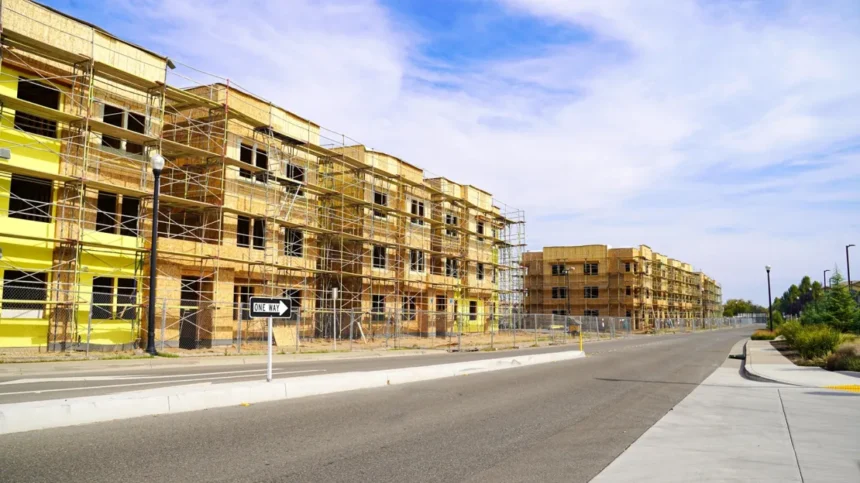
The U.S. condominium market now has 123% more sellers than buyers, the largest gap since real estate firm Redfin began tracking this data in 2013. According to the September 2026 report, there were 197,248 active sellers compared to just 88,460 buyers nationwide—more than two properties for sale per interested buyer—widening the surplus from the 95.5% recorded a year earlier.
The shift from the pandemic housing boom is stark: in September 2021, there were 25.1% fewer sellers than buyers. Over five years, the number of condo buyers has fallen by 54%, while the number of sellers has risen by 36%.

National Overview and Hardest-Hit Markets
Although the national median price has barely declined by 0.8% year-over-year to around $339,000, sellers are conceding ground on time and discounts to close deals:
| National Indicator | September 2021 | September 2026 | Change / Trend |
| Sellers vs. buyers balance | -25.1% (higher demand) | +123.0% (excess supply) | Largest gap in 13 years |
| Properties with price cuts | 16% | 37% | More than double the discounts |
| Average days on market | 35 days | 63 days | +28 days to close contract |
The oversupply is concentrated in the Sun Belt, home to nine of the ten metropolitan areas with the highest seller surplus:
- Best markets for buyers: San Antonio leads the nation with 459% more sellers than buyers, followed by Houston (322%), Miami (274%), and Austin (258%). In South Florida, Fort Lauderdale has a surplus of 192%, and West Palm Beach 108.8%.
- Exceptions where demand dominates: Only three metropolitan areas reported more buyers than sellers: Nassau County (New York), Newark (New Jersey), and Milwaukee (Wisconsin). Meanwhile, San Francisco saw a rebound driven by the AI sector, with a 20% year-over-year increase in the median price (around $1.2 million).
What’s Holding Buyers Back
- Rising HOA fees and insurance costs: The increase in monthly homeowners association (HOA) fees, rising insurance premiums—especially in coastal and hurricane-prone areas like Florida—and special assessments for structural repairs are driving up the actual monthly payment far above the mortgage.
- Higher mortgage rates and stricter financing: With mortgage rates around 7.18% and stricter criteria from entities like Fannie Mae regarding building financial reserves, many first-time homebuyers are losing purchasing power or having their loans rejected.
- Accumulated inventory: The delivery of new multifamily developments in the South and the entry of owners looking to avoid rising maintenance costs have multiplied competition among sellers.
Practical Tips Based on Your Market Position
- If you’re looking to buy: You have ample room to negotiate price cuts below the listing price and ask the seller to cover part of the closing costs. Before making an offer, review the association’s financial statements, the reserve fund level, the building’s insurance policies, and whether any special assessments are pending.
- If you need to sell: Real estate specialists recommend avoiding high prices to “test the market” and setting a competitive price below similar units in the same building, or considering temporarily renting out the property while demand stabilizes.