The Florida Board of Governors (BOG) of the State University System of Florida is evaluating an amendment to create a limited exception to the ban approved in September 2026. This would allow certain undocumented students already enrolled in public state colleges to transfer to the 12 public universities. However, during its meeting on Friday, November 13, 2026 at Florida International University (FIU) in Miami, the Board postponed the vote after stating it received additional feedback requiring review before making a decision.
Who Would Qualify Under the Proposed Exception
The proposal aims to resolve a legal conflict between the September ban and a current Florida state statute that guarantees graduates of public community colleges the right to admission at a state university. If approved later, the exception would cover only two groups:

- Graduates of state/community colleges: Undocumented students who earn an Associate of Arts degree from a Florida public institution before the spring 2027 semester.
- Students in guaranteed transfer programs (2+2): Students enrolled before spring 2027 in academic pathways governed by formal agreements between a state college and a Florida public university.
Those already enrolled in a public university before the restriction took effect were already protected to complete their studies.
Timeline of Educational Restrictions in Florida
End of In-State Tuition
February 2025
The Florida Legislature repealed the 2014 law that allowed undocumented students who graduated from Florida high schools to pay in-state tuition rates. This forced them to pay out-of-state tuition, which is significantly more expensive.
Closure of the 28 State Colleges and Technical Programs
June – July 2026
The State Board of Education adopted a rule requiring verification of U.S. citizenship or legal presence to enroll in the 28 state colleges and postsecondary career and technical education (CTE) programs.
Ban at the 12 Public Universities
September 3, 2026
The Board of Governors unanimously prohibited individuals without legal immigration status from enrolling for the first time, starting with the 2027-2028 academic year, at state universities that have not admitted 100% of academically qualified applicants in the past two years. This effectively blocks the entire public university system.

Vote on Exception Postponed
November 13, 2026
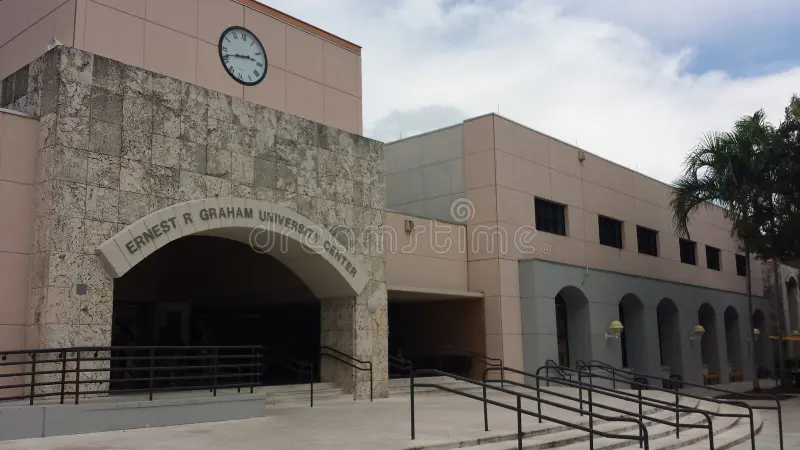
During the session held at FIU’s Modesto A. Maidique campus, Doug Broxson, chair of the Academic Affairs Committee, postponed consideration of the transfer amendment without announcing a new voting date.
Reactions and Remaining Obstacles
- Limited scope and financial barrier: Immigrant student advocacy organizations such as TheDream.US noted that the exception would benefit a very small number of young people, exclude all high school students graduating in spring 2027 or later, and not address the cost of having to pay out-of-state tuition.
- Political pressure heading into 2027: Legislators and activists urged Governor-elect Byron Donalds—who will take office in January 2027—to push for the full repeal of restrictions at both universities and state colleges. Meanwhile, Governor Ron DeSantis and Lieutenant Governor Jay Collins have defended the ban, arguing that public seats and subsidies should be reserved exclusively for legal residents.