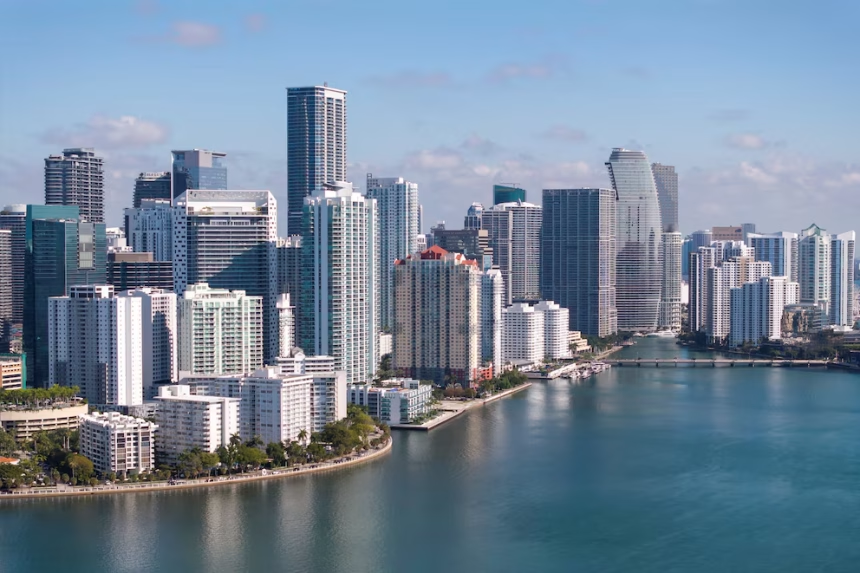
Condo purchases by investors in the United States have fallen to one of their lowest levels in a decade, a trend driven primarily by the withdrawal of buyers from Florida’s real estate market, according to a report by Redfin.
The analysis, which reviewed home purchase records in 39 of the country’s most populous metropolitan areas since 2000, found that investors acquired roughly 8,500 condos during the first quarter of 2025.

This marks a 3% year-over-year decline and represents the lowest level in ten years, with the sole exception of the second quarter of 2020, when the onset of the pandemic nearly halted real estate activity.
The decline has been especially pronounced in Florida, where factors deterring investors are compounding. According to the study, one of the main reasons is the sharp increase in condo association fees, as well as rising insurance costs, driven by the growing frequency and intensity of natural disasters linked to climate change.
“Many buildings in Florida are located along the coast, making them particularly vulnerable,” Redfin explained in its report. This vulnerability, combined with the economic impact of hurricanes and other climate threats, has led investors to seek safer alternatives, such as single-family homes.

Single-Family Homes Gain Ground
Despite the drop in condo purchases, investor home purchases overall rose by 2% during the same period, suggesting a shift in sector preferences.

Greg Eisinger, a partner at Eisinger Law, a firm specializing in real estate, considers the shift predictable: “If I were an investor, I’d likely opt for single-family homes over condos. It’s a safer bet these days.”
Eisinger also links the decline to fears of future hurricanes in Florida, a state with a high concentration of properties in coastal areas. “The fear of new storms is real, and that affects risk perception,” he noted.
Interest Rates and Regulatory Impact
Another factor affecting the market is the rise in interest rates for condo financing, which have nearly doubled in recent years, according to John Cadden, director of the Condominium Advisory Group, a consulting firm advising condo associations in Florida.

Cadden argues that the impact of rising rates has been even more severe than the pandemic’s. “When rates started climbing, the effect was immediate. It was more decisive than the initial impact of COVID-19,” he explained.
New Safety Requirements
Following the collapse of the Champlain Towers South building in Surfside in 2021, which killed 98 people, Florida implemented a series of new safety regulations for condos. Among them, stricter inspections for older buildings and mandatory reserve funds for future repairs were introduced.
While these measures are necessary to improve structural safety, they have increased the cost of living in many condos. “Associations always try to avoid raising fees, but now everything has piled up, and they have no choice,” Eisinger said.
In April, Florida’s Legislature passed a law granting more time and flexibility to homeowners’ associations to gather the required funds. The bill awaits Governor Ron DeSantis’s signature.
Though the drop in investment may present an opportunity for individual buyers by reducing competition, experts agree the trend has its limits. “Florida always bounces back,” Cadden said. “It’s still a place people want to move to. It’s a growing state.”
The situation reflects a shift in the local real estate market: less appetite for climate risk, greater pressure from safety regulations, and a reconfiguration of investor preferences. While no mass exodus is expected, Florida’s real estate business model may be entering a new phase.
Image: Infobae