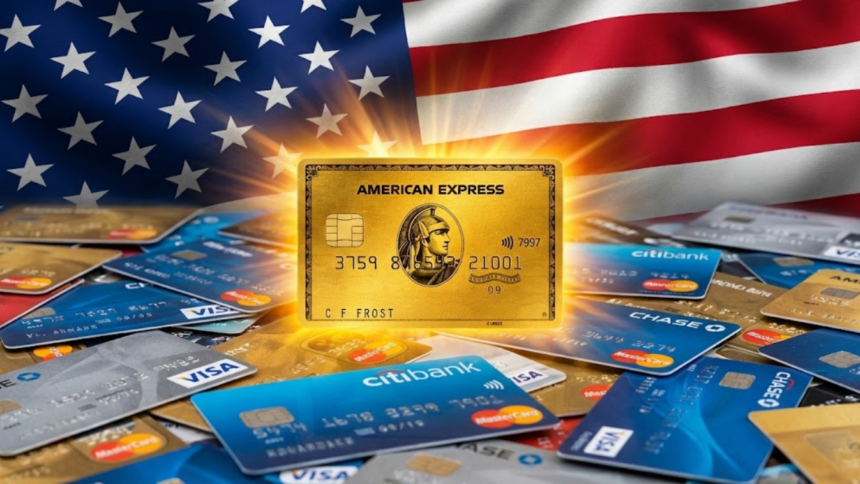
If you’ve ever filled out an application for a credit card—whether to build credit history, earn supermarket points, or finance an emergency—you’ve likely noticed that the bank asks for nearly every detail about you. Social Security number (or ITIN), annual income, employment history, and, of course, the exact physical address where you receive your mail.
So far, this may seem like just part of the mundane commercial banking process. But the real question keeping many in our community up at night is: Who else is looking at that data? The idea that a private financial institution could—voluntarily or involuntarily—become a bridge of information to federal immigration enforcement agencies crosses a line many considered sacred in a country built on data privacy.

The State of Financial Privacy (Snippet Bait): Investigations into information sharing between government agencies and private corporations reveal that ICE can indirectly access residential records tied to credit card applications, whether through court-issued subpoenas, search warrants, or by purchasing data from commercial information brokers (data brokers). While banks don’t hand over mass listings on a whim, the porous U.S. data system leaves gaps that immigrants are particularly vulnerable to.
The Anatomy of Data Flow: How Banking and Immigration Enforcement Intersect
To understand how a banking address can end up on immigration authorities’ radar, we must abandon the idea that banks operate in an isolated bubble. They don’t.
1. The Myth of Bank Secrecy vs. Federal Orders
Many mistakenly believe that banking privacy laws (such as the Gramm-Leach-Bliley Act) protect a customer’s data from any government inquiry. The truth is quite different.
- The Power of a Court Order: If ICE or the Department of Homeland Security (DHS) initiates a specific criminal or administrative investigation and obtains a judge-signed order or a legally binding administrative subpoena, major credit card issuers are legally required to turn over the cardholder’s information, including their current address and transaction history.
- The Trap of Data Brokers: This is where the biggest silent risk lies. Financial institutions and retailers often sell or license consumer metadata streams to data brokerage firms. Government agencies routinely purchase access to these massive commercial databases to geolocate or track profiles without needing to go through the cumbersome process of requesting a traditional court order from a judge.
2. Using an ITIN vs. SSN
A critical factor directly affecting the immigrant community is the type of tax identification number used to apply for credit.
- Millions of undocumented workers or those with pending immigration status open credit accounts using an Individual Taxpayer Identification Number (ITIN).
- While major banks claim their internal policies limit the use of this data for immigration purposes, the technological infrastructure that processes and stores these records is accessible to the same law enforcement compliance networks (AML/KYC—Anti-Money Laundering and Know Your Customer) that collaborate closely with federal agencies when fraud is suspected.
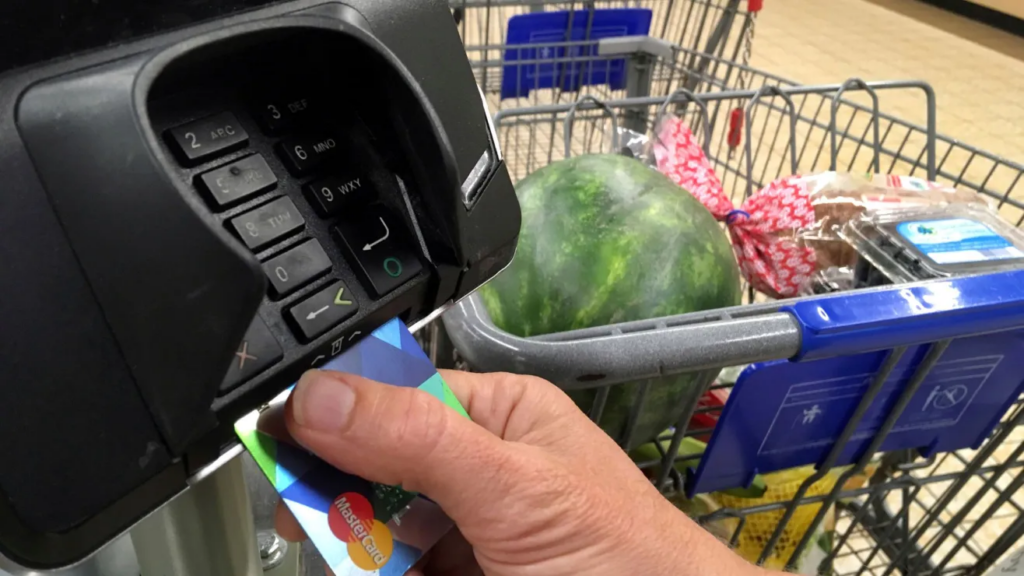
Table: Who Has Access to What? Myths and Realities of Your Financial Data
To help you understand precisely how exposed your information is when applying for financial products, we analyzed the different layers of access:

| Entity / Level of Access | Can they see your credit address? | Under what conditions or limitations |
| Issuing Banks (Chase, Amex, etc.) | Yes (Full) | Required to open the account and comply with federal anti-fraud regulations. |
| Credit Bureaus (Equifax, Experian, TransUnion) | Yes (Partial) | Store history and previous addresses, sharing them with authorized lenders. |
| Intelligence Agencies / ICE | Conditional | Requires a formal subpoena, court order, or indirect data acquisition through commercial intermediaries (data brokers). |
| Local or State Police | Limited | Generally requires an active investigation or arrest warrant; sanctuary cities impose local restrictions. |
Practical Guide: How to Protect Your Financial Privacy and Minimize Risks
Living in the United States requires using the financial system to rent an apartment, buy a car, or get a cell phone. You can’t “live off the grid,” but you can operate with greater intelligence and caution. Here’s how to safeguard your steps.
1. Choose institutions with strict privacy policies: Know your financial issuer.
Not all credit cards are the same. Credit unions and local community banks typically have much stricter and more transparent data-handling policies than multinational financial giants that mass-market consumer profiles to third parties.
2. Be cautious with multiple addresses: Audit your digital and residential footprint.
If you use a commercial mailing address, a P.O. Box, or a family member’s address to receive financial correspondence, ensure that information is consistent across your credit reports. However, avoid using fake or made-up addresses on banking applications; providing false information to a financial institution constitutes a serious federal offense of bank fraud, which is a far more dangerous magnet for automatic deportation than immigration status itself.

3. Exercise your right to data privacy: Financial education and consumer rights.
Some state regulations (particularly in states like California, Virginia, or Colorado) allow consumers to request the removal of their data from data brokers’ sales databases. While federal protection is weak, researching how to block the sharing of advertising information with third parties in your banking apps’ privacy settings is a basic defensive step.
The truth is that the digital ecosystem we live in turns every everyday transaction into a recordable data point. Knowing that ICE could access residential records through legal or commercial channels shouldn’t paralyze your economic life, but it should remind you of the importance of proceeding with caution and staying informed. Understanding how information structures operate is the best bulletproof vest for any immigrant building their future in this country. We will continue to closely monitor privacy reports to keep you one step ahead.
Image: ElHispanoParaTodos/PRESS