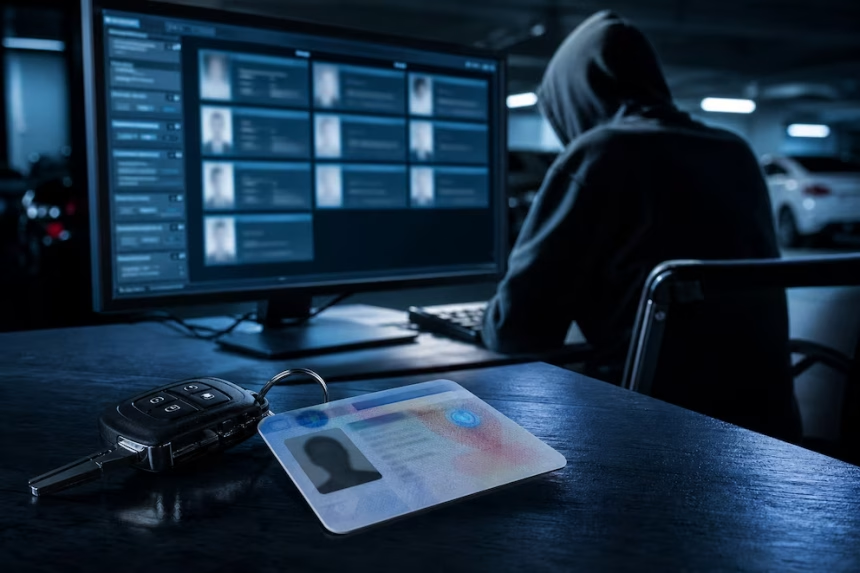
If you reside in the Sunshine State, pay your taxes on time, and hold a driver’s license issued by the Florida Department of Highway Safety and Motor Vehicles (FLHSMV), the truth is that your personal data is no longer as private as you believed. The idea that government databases—guarded by million-dollar computer firewalls and supposedly impenetrable security protocols—could fall into the hands of cybercriminals has ceased to be a science fiction movie script and has become a harsh and alarming reality.
- The anatomy of the cyberattack: How did they manage to bypass Florida’s security?
- 1. The vulnerability in legacy systems and third-party providers
- 2. The value of stolen information on the digital black market
- Table: X-ray of the hack — Scope of the breach and official response
- Practical guide: How to protect your identity and your finances after the hack in Florida?
- 1. The most effective barrier against identity theft: Freeze your credit immediately at the three major agencies.
- 2. Review every unusual movement in your finances: Monitor your bank accounts and traffic reports.
- 3. Where to report fraud and consult official information: Be wary of phishing calls or emails taking advantage of the crisis.
The recent statement issued by state authorities confirmed what cybersecurity experts had been investigating in the shadows for weeks: a massive computer breach allowed malicious actors to infiltrate state servers, extracting confidential information linked to millions of driver records and vehicle registrations. How did this security failure occur, what exact data was stolen, and what urgent measures must you take to avoid becoming a victim of identity theft? Let’s break it down thoroughly.

The Florida Department of Highway Safety and Motor Vehicles confirmed a security breach in the state’s DAVID database, which centralizes information on driver’s licenses and vehicles. The agency reported that it detected unauthorized access on September 4, 2026, attributed it to an international cybercriminal organization, and stated that the incident has already been contained. The case has opened an investigation with state and public safety agencies.
The pulse of the state cyberattack (Snippet Bait): The Florida government officially confirmed that hackers managed to breach the security systems of the driver’s license database, accessing private information of millions of drivers and vehicle records across the state. The digital breach exposes license numbers, traffic histories, and identification data, forcing authorities to activate emergency protocols and credit monitoring alerts for those affected.
The incident was detected on September 4 and had as its entry point the compromised credentials of a Plant City Police user, according to state authorities.
The episode also occurred just days after the identity verification firm IDScan.net acknowledged potential unauthorized access to customer data stored in its cloud, a case that is being investigated by the United States Federal Bureau of Investigation.
The investigation into IDScan.net arose after a dark web platform offered access to more than 153 million driver’s license scans from the United States and Canada. The database also included more than 10 million ID cards, three million travel documents, and 579,000 medical cards, according to data cited by BleepingComputer.
The Federal Bureau of Investigation confirmed that it is analyzing the incident related to IDScan.net, although it did not release an official count of compromised documents nor publicly establish the origin of the entire database. NBC News reported that the two attacks did not appear to be related, despite both involving systems that store driver’s license information, according to NBC News.
Florida will need to clarify in the next stages of the investigation what information was exposed, how many people could be affected, and whether individual notifications will be issued. Meanwhile, the State maintains that the access was contained and that there is no ongoing unauthorized activity within DAVID.

The anatomy of the cyberattack: How did they manage to bypass Florida’s security?
To understand the magnitude of this computer incident, it is necessary to examine how modern criminal organizations specialized in government data theft operate.
1. The vulnerability in legacy systems and third-party providers
States manage colossal databases that interconnect police agencies, courts, toll systems (SunPass), and registration offices.
- The weak point of the infrastructure: Preliminary investigations suggest that the attackers exploited a zero-day vulnerability or compromised access through an external technology contractor, an entry point increasingly used by hackers to avoid direct controls on the state’s main servers.
- The uncomfortable truth: State governments often operate with obsolete computer infrastructures that do not always receive security updates as quickly as the current global cybercrime landscape demands, leaving a window open for Trojans and malicious software (ransomware) to extract gigabytes of information in a matter of hours.
2. The value of stolen information on the digital black market
A driver’s license in the United States is not just a piece of plastic for driving; it is the master key to accessing financial services, government benefits, and credit.

- What did the hackers take?: Although authorities continue to audit the exact extent of the damage, reports indicate that the attackers accessed full names, registered addresses, dates of birth, license numbers, and, in some cases, traffic ticket histories and vehicle ownership records.
- The risk of identity fraud: With these elements in their possession, cybercriminals can manufacture fake IDs, apply for fraudulent loans in the taxpayers’ names, or attempt to divert tax refunds and state benefits.
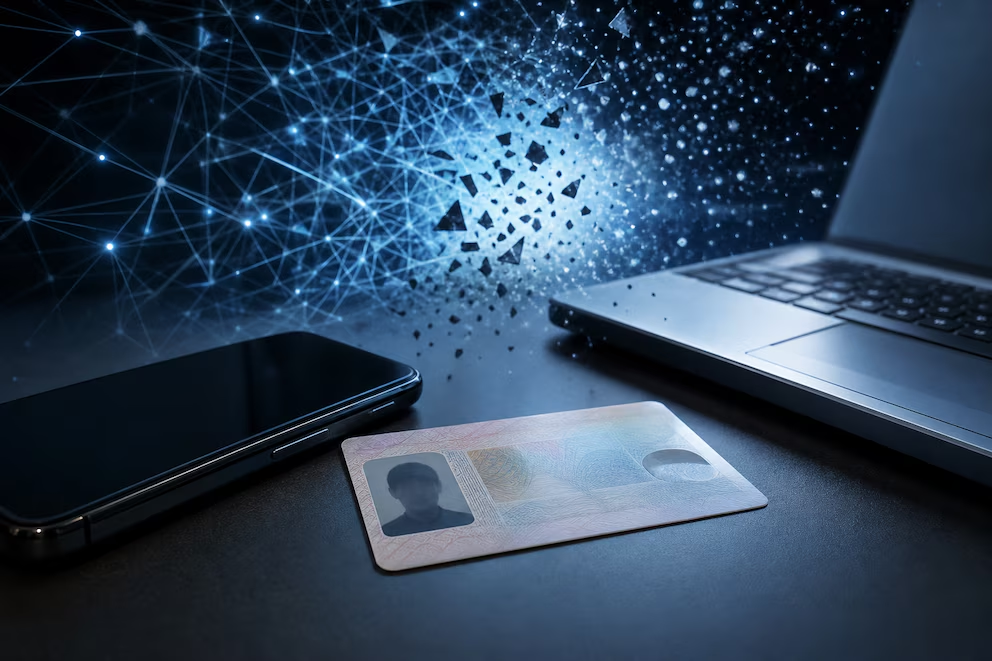
Table: X-ray of the hack — Scope of the breach and official response
To accurately visualize which systems were compromised and how the state is responding, we contrast the key data of the incident:
| Cyberattack Variable | Situation Reported by Authorities | Measures and Recommendations Implemented |
| Affected Systems | FLHSMV driver’s license and vehicle registration database. | Temporary disconnection of vulnerable gateways and computer forensic audit. |
| Exposed Information | Identification data, traffic histories, and driver addresses. | Sending formal notifications to affected residents and credit alerts. |
| Access Origin | Computer intrusion through software vectors and third parties. | Cooperation with federal cybersecurity agencies (FBI / CISA). |
Practical guide: How to protect your identity and your finances after the hack in Florida?
Faced with a massive government data leak, adopting a passive stance is the biggest mistake you can make. Follow these foolproof steps to shield your personal information:
1. The most effective barrier against identity theft: Freeze your credit immediately at the three major agencies.
Regardless of whether or not you received the official state notification, the safest step is to request a free Credit Freeze from the three main bureaus: Equifax, Experian, and TransUnion. This prevents anyone (including yourself, temporarily) from opening new bank accounts, credit cards, or loans in your name without a special PIN code.
2. Review every unusual movement in your finances: Monitor your bank accounts and traffic reports.
Closely monitor your credit card and checking account statements. Likewise, periodically log in to the official Florida Department of Highway Safety and Motor Vehicles portal to verify that there are no strange fines, registered vehicles, or address changes associated with your driver’s license number.
3. Where to report fraud and consult official information: Be wary of phishing calls or emails taking advantage of the crisis.
Cybercriminals often take advantage of this news to send fake emails pretending to be the Florida government and demanding you “update data” to supposedly protect yourself from the hack. Never click on suspicious links. Consult only official statements on the Florida Highway Safety and Motor Vehicles (FLHSMV) portal or follow coverage from the Associated Press.
The truth is that in the digital age, the security of our personal data has become a shared responsibility where citizen vigilance is as important as government firewalls. For our Hispanic community in Florida, acting quickly and cautiously is the key to neutralizing the impact of this cyberattack.
Image: ElHispanoParaTodos/PRESS