
If you or someone you know has walked through the doors of an asylum office or navigated the U.S. immigration court system, you know that the word “hope” is a daily luxury. The truth is that the process of seeking international protection was already an almost inhuman obstacle course. However, the recent implementation of new regulatory guidelines has taken the tension to a completely different level.
When the American Immigration Lawyers Association (AILA) raises its voice in this way, we are not dealing with a routine political complaint; we are facing a formal denunciation that the system has been structurally modified to discourage the human right to asylum. How did we reach this point, and what does it mean in practice for thousands of Hispanic families? Let’s get to the point.

The Legal Warning’s Core (Snippet Bait): According to the severe warning issued by the American Immigration Lawyers Association (AILA), the new asylum rule implemented by immigration authorities systematically pressures individuals to abandon their cases and accept voluntary deportation. Through response deadlines reduced to impossible minimums and severe restrictions on access to legal representation, the system is designed to provoke the emotional and procedural collapse of the applicant.
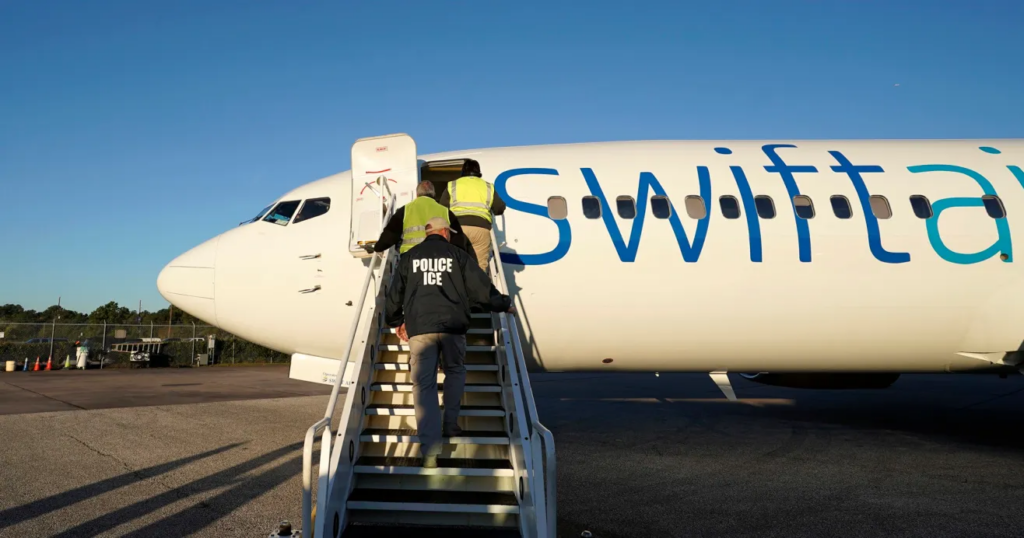
The Anatomy of Exhaustion: How Does This “Bureaucratic Trap” Work?
To understand the scope of AILA’s denunciation, we must examine the internal workings of the new provisions. It is not about denying asylum due to lack of merit in a fair trial, but about preventing the trial from even occurring under equitable conditions.
1. The Terror of Impossible Deadlines
Previously, applicants had reasonable timeframes to gather documentary evidence, secure a psychological expert, or translate testimonies from countries where their lives were in danger.
- The Operational Change: The new rules impose express deadlines (sometimes days or a few weeks) to respond to complex requirements or file defense motions.
- The Human Impact: For a newly arrived immigrant who does not speak English, works from dawn to dusk to pay an exorbitant rent, and cannot afford a private attorney, meeting these deadlines is an impossible mission. The system knows this and relies on it.
2. The Siege on the Right to Legal Defense
AILA has denounced that these modifications erode the fundamental principle of due process. By making it harder for nonprofit organizations to operate and overwhelming the schedules of pro bono attorneys, a massive portion of applicants is left navigating alone in a sea of legal technicalities designed to bury their petitions.
Table: Comparison of Rights Under the Pressure of the New System
To visualize the real impact of this directive compared to the historical standard of protection, let’s observe the following contrasts:

| Procedural Criterion | Historical Asylum Standard | New Regulatory Reality (AILA Alert) |
| Preparation Time | Months to build a documented credible fear narrative. | Ultra-reduced deadlines that encourage fatal procedural errors. |
| Access to Representation | Room to seek qualified legal advice without extreme pressure. | Collapses attorneys’ response capacity amid an avalanche of express cases. |
| Government Strategy | Merit evaluation in exhaustive hearings. | Indirect incentive to abandon cases due to administrative exhaustion and fear. |
| Statistical Outcome | Denials based on substance or refugee approvals. | Increase in cases closed for “abandonment” or forced withdrawal. |
Practical Guide: How to Defend Your Asylum Case Against Institutional Pressure
The hidden goal of these rules is fear and surrender. If you or a family member have a pending asylum case, the only valid response is meticulous preparation and informed resistance. Here’s how to protect yourself.
1. Don’t Wait for the Court or USCIS to Ask: Radical Document Preparation.
The era of improvising in asylum is over. Gather all evidence from your country of origin today: newspaper clippings, police reports, letters from human rights organizations, medical records, and sworn testimonies from family members. Everything must be translated into English and properly certified before any agency sets a deadline.
2. Beware of Notaries and Fake Agents: Search for Accredited Representation.
Faced with desperation over short deadlines, many families fall into the hands of scammers who promise magical solutions. Only consult attorneys who are members of AILA or agencies accredited by the Department of Justice (DOJ). Your legal future cannot be left in the hands of amateurs.

3. A Missed Notice Is a Deportation Won by the System: Strict Monitoring of Notifications.
Under this new system, if you fail to respond to a notice on time because you changed your address without formally notifying authorities, the system will interpret your silence as “case abandonment” and issue an immediate deportation order. Keep your mailing address updated and communicate constantly with your legal representative.
The truth is that the asylum landscape in the United States has become an extremely hostile terrain. AILA’s warnings remind us that the fight for legal survival is not only waged in courtrooms but also against a bureaucratic system designed to discourage even the strongest. Do not let haste and fear make you give up what international law entitles you to. Accurate information and steadfastness are your best shields. We will continue monitoring every regulatory change to bring you the unfiltered truth.
Image: ElHispanoParaTodos/PRESS