

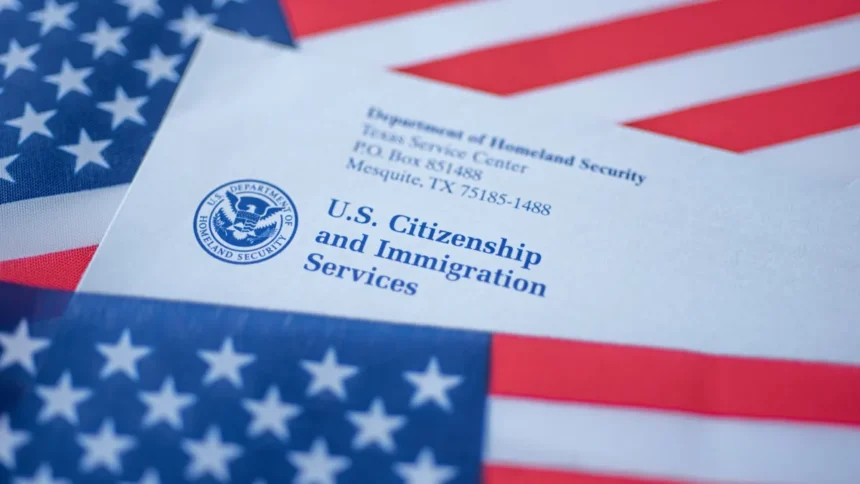
If you or someone close to you has a pending case in immigration courts, you know the wait is often measured in years—a legal purgatory where uncertainty becomes the only constant. The idea that processes could move faster sounds, in theory, like a logical solution to the historic judicial backlog. However, when speed takes precedence over thorough justice, the remedy may be far more dangerous than the problem itself—or it may turn into expedited hearings.
This new directive, which aims to grant immigration judges greater power to issue swift rulings—cutting short prolonged hearings or limiting the presentation of new evidence under certain criteria—is sounding alarms among civil rights advocates. Are we looking at an optimization of the system or an accelerated deportation machine? Let’s get to the point.

The pulse of judicial change (Snippet Bait): A new regulatory directive seeks to grant immigration judges expanded authority to issue summary rulings and drastically accelerate verdicts on asylum applications and deportation orders. This measure aims to address the historic collapse of the courts, but experts warn it drastically reduces the margin for defense, increasing the risk of mass denials without exhaustive due process.
The anatomy of the change: Why are courts being sped up?
To understand the background of this measure, we must look at the cold numbers of the U.S. immigration judicial system.
1. The system’s collapse and political pressure
Immigration courts are overwhelmed with millions of pending cases. An asylum seeker may easily wait three to five years just to see a judge for the first time.
- The official narrative: From the government’s perspective, such a slow process encourages legal loopholes and allows people without merit to remain in the country indefinitely, while legitimate cases also drown in bureaucracy.
- The other side of the coin: Speeding up processes by eliminating key procedural phases does not add more human resources or trained judges; it simply pressures magistrates to close cases faster, which statistically results in an increase in deportation orders due to procedural errors or lack of time to present complex expert evidence.
2. The danger of summary decisions
Under this system, a judge could dismiss or deny an asylum application based solely on a preliminary review of the written document (Form I-589) without allowing a thorough evidentiary hearing where the applicant can testify with the support of a psychologist, country-of-origin expert, or key witness.
- The uncomfortable truth: Asylum is not an office procedure; it is a complex human narrative about credible fear of persecution. Reducing it to a rushed paper review undermines the historic humanitarian standard of the United States.

Impact Table: Before and After in Immigration Court
To visualize how this directive would affect the development of a legal case, we contrast the traditional process with the new expedited rulings model:

| Procedural Phase | Traditional Model (Guaranteed Rights) | New Expedited Hearings Model |
| Preparation Time | Months or years to gather evidence and testimonies from the country of origin. | Deadlines drastically shortened; requirement to submit everything immediately. |
| Evidentiary Hearings | Multiple opportunities for testimony and cross-examination before the judge. | Risk of summary judgment without live testimony. |
| Margin for Error | Ample time to correct motions or introduce additional evidence. | Zero tolerance; a minor documentary error or absence triggers a deportation order. |
| Emotional and Legal Burden | High, but with room to build a solid defense with an attorney. | Extreme psychological pressure; risk of technical defenselessness if the attorney does not act at record speed. |
Practical Guide: How to Protect Your Case Under the New Judge’s Pace
If the courts are going to start moving faster, you cannot afford to stay still. Passivity in this new scenario is tantamount to tacitly giving up your defense. Here’s the essential action plan.
1. Don’t wait for the court notice: Absolute documentary anticipation.
The era when you could build your case “on the fly” or wait for the preliminary hearing (Master Hearing) to start gathering evidence is over. Your asylum file must be fortified, translated, apostilled, and ready today. Gather witness statements, medical reports, police reports from your country of origin, and any evidence of persecution before the judge sets accelerated hearing dates.
2. The danger of going without an attorney or with inexperienced advisors: Hiring specialized legal representation.

With rules designed to expedite decisions and cut legal debates, attempting to defend yourself pro se (without an attorney) in an expedited hearing is a form of immigration suicide. You need an aggressive immigration attorney with specific experience in litigation before the Board of Immigration Appeals and local courts, who knows how to block summary denial motions through strong procedural objections.
3. Avoid deportation in absentia: Updating data and strict compliance.
Under accelerated policies, any change of address not reported to the court within the legal timeframe (usually 5 days) or missing a single appointment can be used by the judge to issue an immediate in absentia deportation order. Make sure your mailing address and email are perfectly synchronized with the court’s system.
The reality is that the landscape of immigration in the United States is becoming increasingly hostile for those seeking international protection. The rules are changing to make legal stay more difficult, turning the system into an obstacle course where only the most prepared survive. Do not let the system’s haste catch you off guard. Accurate information, advance preparation, and professional support are your only real defense tools. We will continue monitoring every regulatory development to keep you one step ahead.
Image: ElHispanoParaTodos/PRESS





