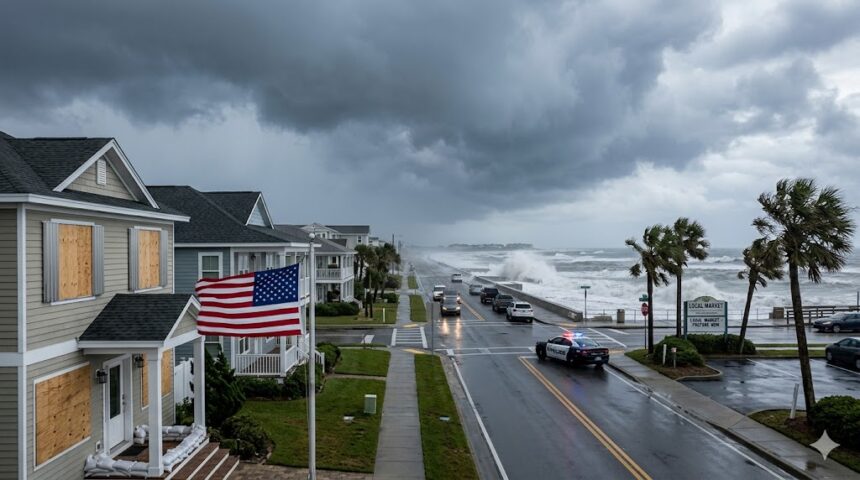
Living on the U.S. coast, from the beaches of Texas to the neighborhoods of the Carolinas, means facing an uncomfortable truth: the sky can change your life in 24 hours. This 2026, headlines suggest a “quieter hurricane season” thanks to the El Niño phenomenon, but if you’ve been here for years, you know that just one name on the list—whether Arthur, Bertha, or Leah—is enough to wipe out years of hard work if it knocks on your door.
- The 2026 Verdict: Fewer Storms, But Greater “Homegrown” Danger
- The El Niño Factor: An Air Shield Against Cyclones?
- Comparison Table: 2026 Forecast vs. Historical Average
- Red Zones: Who Should Be Most Alert in 2026?
- The Danger of “Homegrown” Storms
- Preparedness Checklist: What Insurance Won’t Tell You
- 2026 Season Names: Is Yours on the List?
Are we really looking at a year of relief, or is this a meteorological trap? The answer doesn’t lie in the number of storms but in where and how quickly they form.

The 2026 Verdict: Fewer Storms, But Greater “Homegrown” Danger
This year, models from AccuWeather and the NOAA agree on one trend: total activity will be slightly below the historical average, but with an elevated risk of rapid intensification near coastlines.
Quick Answer (Snippet Bait): The 2026 Atlantic hurricane season begins on June 1 and is expected to be less active than usual due to the El Niño phenomenon. Between 11 and 16 named storms are forecast, of which 4 to 7 will become hurricanes (2 to 4 major hurricanes). However, 3 to 5 direct impacts in the U.S. are expected, with a special risk focus on the Gulf of Mexico and the Carolinas.
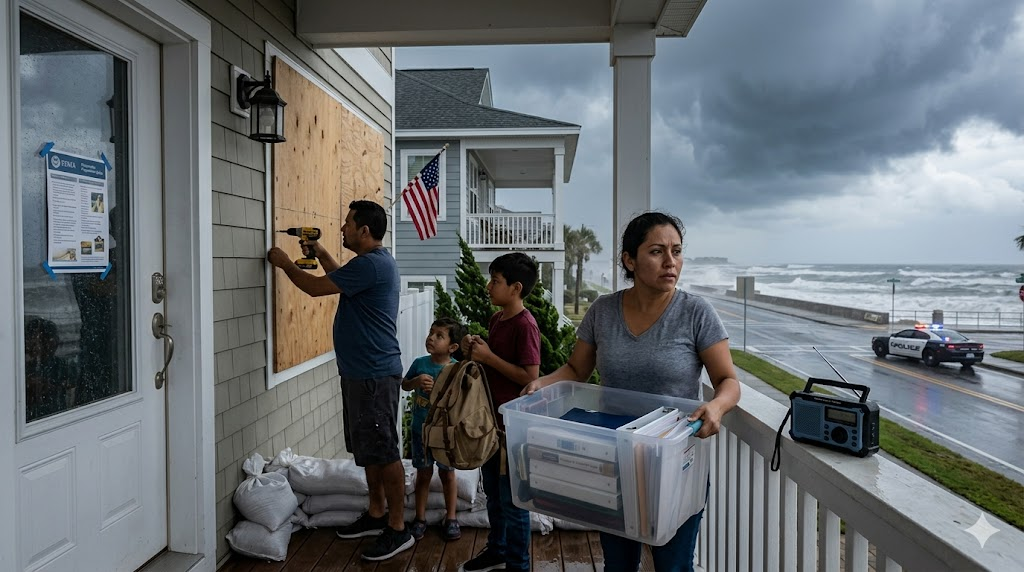
The El Niño Factor: An Air Shield Against Cyclones?
The big news for 2026 is the strengthening of El Niño. Simply put, this phenomenon warms Pacific waters, generating wind shear in the Atlantic. These winds act like “scissors” that cut storm clouds before they can organize into hurricanes.
However, there’s a huge “but.” While El Niño reduces the number of storms, water temperatures in the Caribbean and the Gulf remain at record levels. This means any storm that survives the wind shear has “premium fuel” to strengthen at record speed.
Comparison Table: 2026 Forecast vs. Historical Average
| Category | 2026 Forecast | Average (1991-2020) | Alert Level |
| Named Storms | 11 – 16 | 14.4 | ⚠️ Moderate |
| Hurricanes (Cat 1-2) | 4 – 7 | 7.2 | ⚠️ Moderate |
| Major Hurricanes (Cat 3+) | 2 – 4 | 3.2 | 🔴 High |
| Direct Impacts in the U.S. | 3 – 5 | 1 – 2 | 🔴 Very High |
Red Zones: Who Should Be Most Alert in 2026?
Meteorological history doesn’t lie. Based on analogous years (like 2009 and 2018), experts have identified that this year’s risk isn’t widespread but surgical.

- Northern Gulf of Mexico: Texas and Louisiana are in the crosshairs. The development of “homegrown” storms in the Gulf reduces warning time from 5 days to just 48 hours.
- The Carolinas and Georgia: Models suggest a track favoring impacts in the Southeast after skirting the Bahamas.
- Florida (The eternal wildcard): While always at risk, this year’s biggest concern for the “Sunshine State” isn’t wind but storm surges on the west coast.
The Danger of “Homegrown” Storms
Don’t just watch for tropical waves coming off Africa. The 2026 trend is the development of systems near the coast. Why is this worse?
- Less reaction time: You don’t have a week to buy water and plywood; you have days.
- Extraordinary rainfall: When storms form near land, they tend to move slowly, dumping massive amounts of water that cause flash flooding.
Preparedness Checklist: What Insurance Won’t Tell You
By now, you know you need water and canned goods. But as a Hispanic community, we sometimes overlook the details that truly protect our assets:
- Digitize your documents TODAY: Upload property titles, work permits (EAD), passports, and insurance policies to the cloud. In an evacuation, paper is the first thing lost.
- The flood insurance myth: Remember, standard home insurance does NOT cover flooding. There’s a 30-day waiting period to enroll in the NFIP (National Flood Insurance Program). If you wait until a storm is named, it’s too late.
- New Cell Phone Alerts: This 2026, the National Weather Service will test direct cell phone alerts for extraordinary rainfall, not just wind. Make sure government notifications are enabled on your phone.
2026 Season Names: Is Yours on the List?
This year’s list repeats the 2020 names (with Leah replacing Laura). Here are the first 10:

- Arthur
- Bertha
- Cristobal
- Dolly
- Edouard
- Fay
- Gonzalo
- Hanna
- Isaias
- Josephine
Image: ElHispanoParaTodos/PRESS