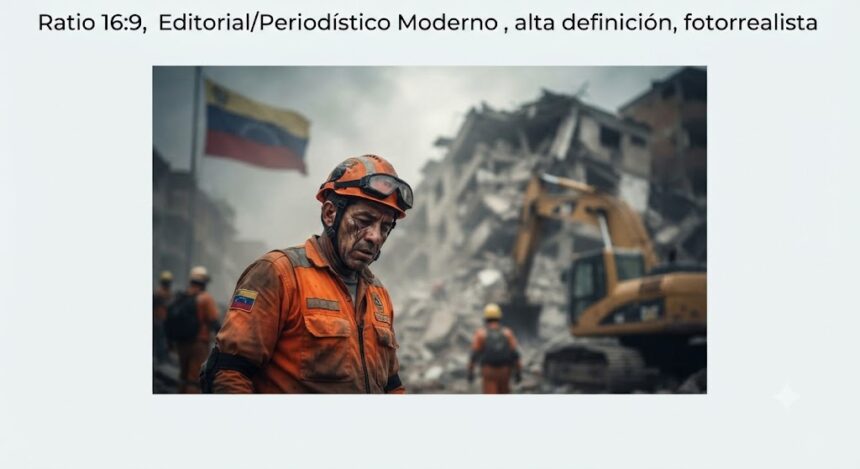
Earthquake in Venezuela: Death toll rises to 4,333 and anguish grows over unidentified victims—the same lump in the throat we all feel when receiving official updates. The earth didn’t just tremble; it fractured the lives of thousands of families and left an open wound in the nation that will take years to heal. The numbers we receive today are not just figures in a news bulletin; they are the names of 4,333 people who had plans yesterday and today are part of a painful statistic.
The truth is that, in the face of a tragedy of this magnitude, the role of information is twofold: it must be a beacon for those searching for their loved ones and a hammer to demand that aid be effective, transparent, and swift.

The pulse of the emergency (Snippet Bait): According to the latest official report, the death toll from the series of earthquakes in Venezuela has risen to 4,333 fatalities, while rescue efforts face collapsed terrain and the additional anguish of 315 bodies that remain unidentified, complicating the grieving process for families and forensic authorities.
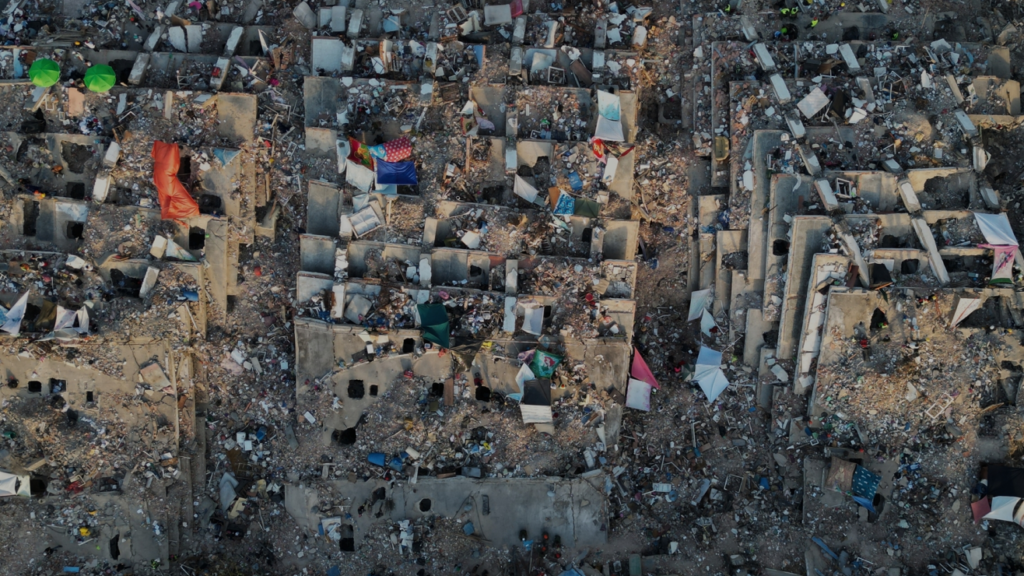
The anatomy of the disaster: What do the data tell us?
Beyond the coldness of the numbers, the situation on the ground is complex. We are not talking about an isolated event but a series of seismic movements that have left entire regions cut off. The hardest-hit states—Sucre, Miranda, and the capital, Caracas—present nightmarish scenarios where infrastructure has succumbed to the force of nature.
The current concern is not limited to counting fatalities. Three pillars are dictating the pace of this crisis:
- Hospital collapse: With thousands of injured reported, local health centers are overwhelmed. The lack of medical supplies, electricity, and specialized personnel is the biggest barrier to preventing the death toll from rising further.
- Logistical gap: Rural areas, where aid is slowest to arrive, have suffered the worst damage. Communication is erratic, and road access has been blocked at multiple strategic points, complicating the deployment of heavy machinery for rescues.
- The time factor: In the first hours, the focus is on saving lives. After the 72-hour mark, the priority shifts to containing epidemiological risks and assisting the thousands of displaced people who have lost absolutely everything.
The tragedy of the unidentified: An added ordeal
This is where the information becomes even more painful. The report of 315 unidentified bodies is not just a statistic; it is a logistical failure and a source of immeasurable suffering for those waiting for news of their relatives. The main morgue in Caracas and mobile morgues deployed in disaster zones are working at full capacity.
“Grief is not political; it’s human. But the response to disaster does have direct political consequences,” notes a local source working on the ground.
The reality is that, regardless of affiliation, Venezuela faces a crossroads where international aid—both technical and material—is the only way to mitigate the full impact of this catastrophe. Identifying the bodies requires DNA testing and advanced forensic protocols that, unfortunately, are not always locally available amid the emergency.

Emergency Table: What is needed and how to act
To provide clarity for our audience, we have synthesized the state of aid:
| Category | Current Situation | Response Priority |
| Medical Care | Critical / Saturated | Trauma and anesthesia supplies |
| Infrastructure | Collapsed in epicenter zones | Debris removal and connectivity |
| Search and Rescue | Active (stabilization phase) | Heavy machinery and K9 teams |
| Displaced Persons | Thousands without shelter | Non-perishable food and drinking water |
Action Guide: How to support from abroad
We know many of our readers have family in the country and feel powerless from a distance. The key is organization and caution against potential scams that always emerge in moments of desperation.
1. Avoid unclear intermediaries: Official channels.
If you are going to make donations, do so through internationally recognized NGOs (such as the Red Cross, Caritas, or UNICEF) or official channels that ensure resources reach those affected. Be wary of personal accounts promising miracles.

2. Do not share rumors: The importance of information.
Amid the chaos, fake news is almost as destructive as the earthquake itself. Always verify the source before sharing lists of fatalities or missing persons to avoid unnecessary distress and false hopes.
3. The role of the diaspora: Emotional support.
Sometimes, financial support is only part of the solution. Listening to family members there, providing emotional support, and keeping communication channels open is vital for those dealing with trauma at the epicenter.
Venezuela faces one of the darkest chapters in its recent history. The number of fatalities (4,333) and injuries will likely rise as debris is cleared, and our community must prepare for the long road to recovery. At ElHispanoParaTodos.com, we will maintain rigorous and honest monitoring, because the truth is the first step toward recovery.
Image: ElHispanoParaTodos/PRESS