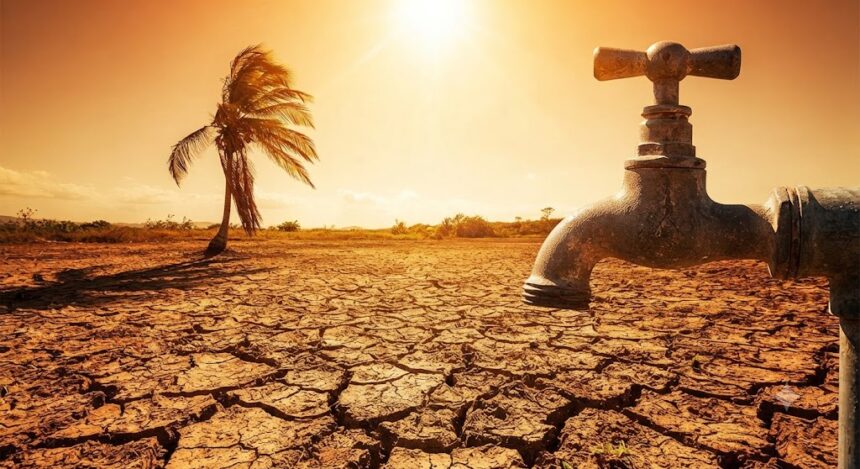
If you’ve heard or live in Puerto Rico and have noticed the grass changing color or your water bills not matching your actual usage, it’s not a coincidence. The latest climate update confirms that 10.5% of the island is now under a “severe drought” classification. For many, this sounds like a technical detail meteorologists discuss on TV, but the reality is far more down-to-earth: when water is scarce, the family’s wallet suffers, and community tension rises.
The truth is that the drought on the island isn’t a passing event; it’s a reminder that our water infrastructure, often overlooked, is our most valuable—and vulnerable—asset.

The immediate operational impact (Snippet Bait): With 10.5% of Puerto Rican territory under severe drought, critical reservoir levels have begun to drop, forcing the Puerto Rico Aqueduct and Sewer Authority (AAA) to consider preventive rationing plans. If your area is affected, the immediate priority isn’t just reducing consumption but implementing safe storage systems to avoid health risks from lack of hygiene.
Why should the 10.5% concern all of us?
It’s easy to think: “If I live in an area where water still flows, this isn’t my problem.” But the issue with drought is that it’s a domino effect. If 10.5% of the territory suffers, the economic impact transfers to the prices of local agricultural products, which depend on irrigation, and strains the island’s entire distribution system.
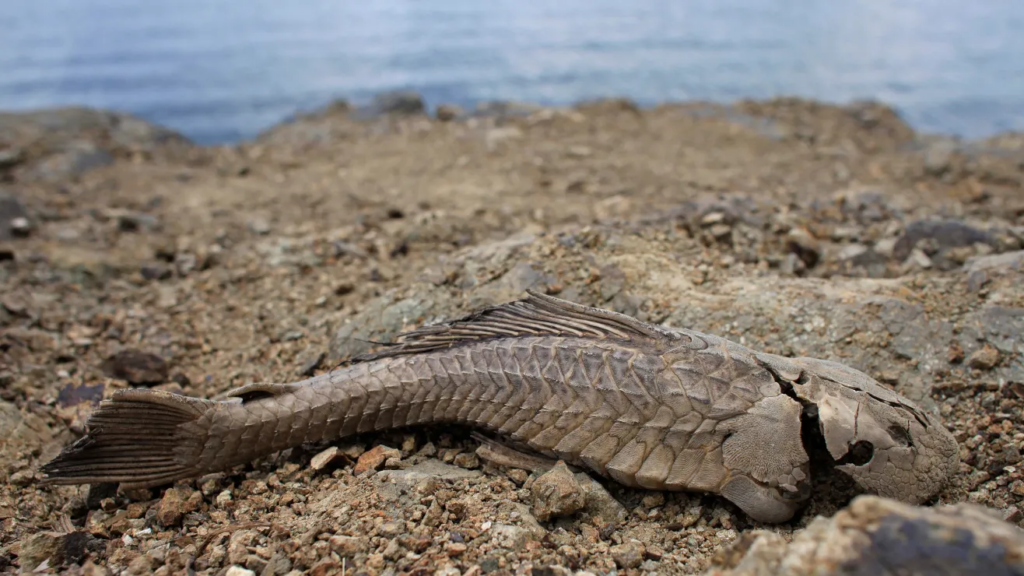
The phenomenon behind the dryness
We’re not just talking about days without rain. We’re facing a combination of atypical weather patterns and a lack of preventive maintenance in the main reservoirs. Are we really prepared for a dry summer? Unfortunately, the answer often amounts to constant improvisation.
Health Warning: The lack of running water isn’t just an inconvenience. It’s a breeding ground for disease if basic storage measures aren’t taken. Don’t treat emergency water as if it were factory-bottled water.
Risk Table: Is your municipality in the red zone?
To understand the impact, let’s analyze what it means to be in a severe drought zone compared to a normal one.
| Drought Level | Effect on the community | What should you do? |
| Moderate (D1) | Slight increase in energy consumption. | Check for leaks at home. |
| Severe (D2) | Possible rationing and low pressure. | Activate water reserve (cistern). |
| Extreme (D3) | Crop damage and total restrictions. | Strictly follow AAA orders. |
Survival guide: How to protect your home and your wallet
If severe drought knocks on your door, passivity is your worst enemy. Here are the steps you should take today, before the tap runs dry.

1. The silent enemy: Leak audit.
A leak in a toilet can waste up to 200 gallons a day. Put some food coloring in the toilet tank; if the color appears in the bowl without flushing, you have a leak. Fix it today, not tomorrow.
2. The 1-gallon-per-person rule: Tactical storage.

The basic emergency standard is to have 1 gallon of water per person per day. If you have a family of four, you need 4 gallons daily just for drinking and minimal basic needs. If you don’t have a cistern, it’s time to buy food-grade tanks.
3. Gray water is gold: Water recycling.
The water used to wash vegetables or from the washing machine rinse cycle (if safe) can be perfectly used to flush the toilet. In times of drought, every drop should serve two purposes.
The situation is clear: nature is sending us a signal, and the government and citizens must act together. While we await official updates on rationing, controlling your household consumption is your best defense. We will continue monitoring reservoir levels and AAA decisions to keep our community one step ahead.