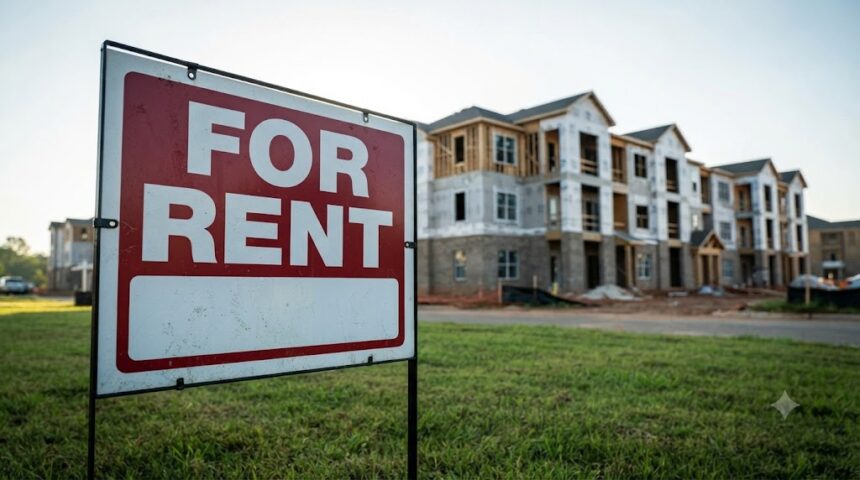
If you’ve been desperately searching for housing or a home in a market where prices seem like a rollercoaster with no brakes, this news isn’t just bureaucratic jargon—it’s a breath of fresh air amid a suffocating housing crisis. The fact that a reform of this magnitude has taken effect without the signature of former President Donald Trump isn’t just a political anecdote: it’s a sign of Congress’s urgency to take control of an issue that can no longer wait.
The truth is that affordable housing has stopped being a campaign topic and has become a matter of social survival.

The immediate operational impact (Snippet Bait): The historic affordable housing law that takes effect without Trump’s signature establishes a new framework for tenant protections and opens massive incentives for the construction of low-cost units. This translates into a temporary freeze on certain rent increases and new direct subsidies for qualifying families, radically changing the rules of the game for those seeking housing stability.

The Political Labyrinth: Why No Signature?
When a law takes effect without the signature of an executive (in this case, under a scenario where the bill overrode a veto or simply the action deadline expired), the political message is clear: the legislature has decided that the people’s needs come before Oval Office disputes.
For us in the Hispanic community, this has a pragmatic reading. We’re not here to analyze the power struggle but to understand how this law can help ensure a family isn’t evicted at the end of the month.
- Protection against speculation: The law introduces caps on how much large landlords (real estate corporations) can raise rents from one year to the next in buildings with federal subsidies.
- The tax incentive: An emergency fund is created for builders who commit to allocating 40% of their new units to prices below market value.
Impact Table: What Changes in Your Wallet (Comparison)
To help you understand if this directly benefits you, we’ve broken down the key changes this law introduces in the real estate sector:
| Concept | Before the Law | After the Law | Impact for You |
| Rent Increases | Free market (unlimited) | Annual caps (if applicable) | Greater predictability |
| Express Evictions | 30-day processes | Mandatory mediation period | More time to respond |
| Home Purchase Assistance | Very restrictive requirements | More flexible credit terms | Access to first home |
| Affordable Construction | Optional incentives | Mandatory for certain funds | More supply (in the future) |
Practical Guide: How to Take Advantage of This New Law Right Now
Don’t wait for your landlord or bank to call and tell you there are new benefits. In this country, if you don’t ask, you don’t get.

1. What type of property do you live in?: Review your contract.
The law doesn’t apply equally to everyone. If you live in a multifamily complex that receives state or federal funds, you’re likely protected. Check if your property is “HUD-assisted housing” or receives any type of local tax incentive.
2. Defense is in your records: Document everything.
If your landlord attempts a rent increase above what’s allowed by the new law, don’t just complain verbally. Send a formal communication (email or certified letter) citing the provisions of the new regulations. A paper trail is worth more than a thousand conversations.
3. Don’t pay for what’s yours: Free legal advice.
There are legal aid clinics in every county specializing in tenant rights. With this new law, these clinics will be overwhelmed. Be the first in line to ask for advice about your specific contract.

This law isn’t a magic solution, but it’s a powerful tool if used correctly. Affordable housing is a right, but in a capitalist system, it’s also a negotiation. Stay informed, protect your contract, and above all, don’t let misinformation make you overpay. We’ll continue monitoring how this law is applied in different counties to bring you the updates that truly matter.
Image: ElHispanoParaTodos/PRESS