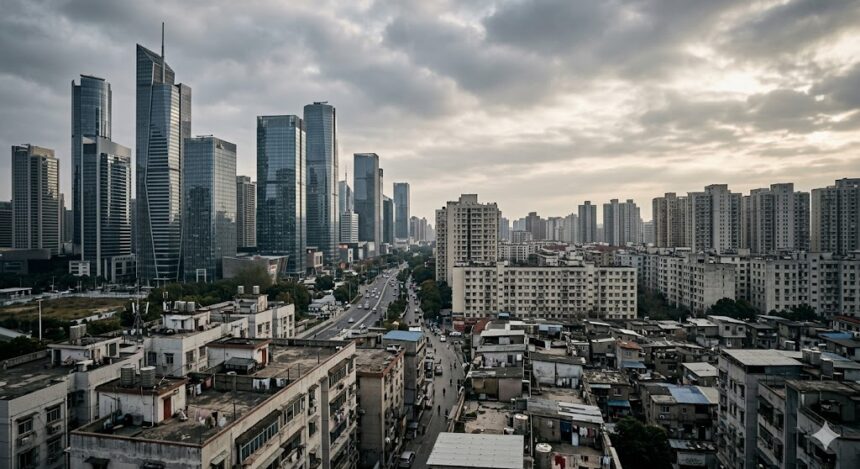
Owning a home has become the new unattainable luxury of the 21st century. Whether you’re in downtown Madrid, the suburbs of Miami, or a major Latin American capital, money no longer stretches far enough to afford decent housing. What was once a local issue has now become a systemic collapse.
The United Nations (UN) released a figure that should keep anyone awake at night: over 2.8 billion people worldwide face a severe housing crisis. This means nearly a third of the planet’s population lives in precarious conditions, spends more than 30% of their income on rent, or simply has no place to sleep.

The Quick Answer Snippet
Why is there a global housing crisis? The current housing crisis is driven by a perfect storm: financial speculation in the real estate market, chronic lack of public housing construction, global inflation of building materials, and the rise of short-term vacation rentals. This has caused housing costs to rise up to three times faster than average wages over the past decade.
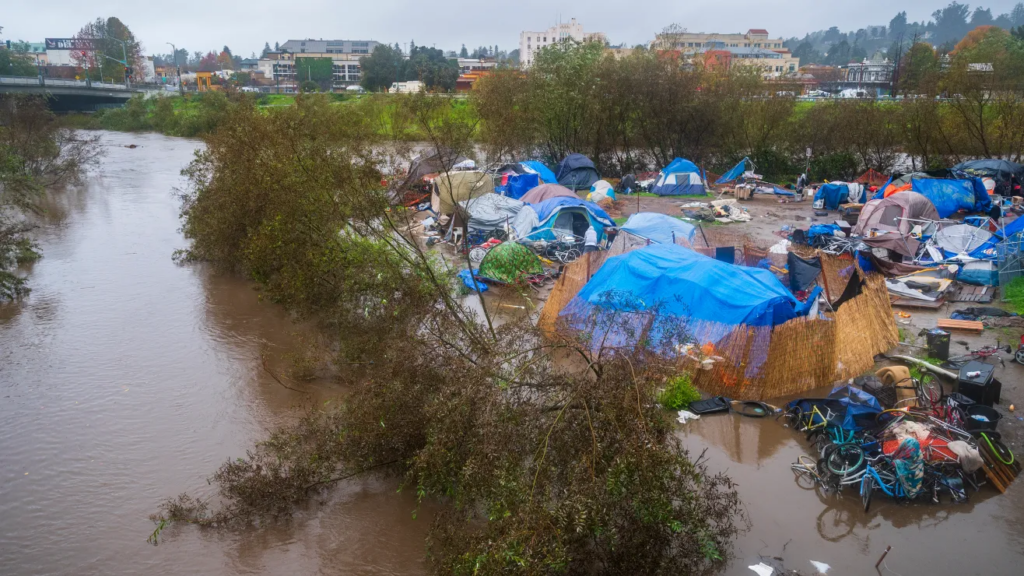
Climate-related disasters, displacement, rising housing costs, and geopolitical instability are impacting housing systems worldwide. Credit: Nic Coury | AP
A Breakdown of the Collapse: Why Housing Is No Longer a Right
For decades, we were sold the idea that hard work equaled housing stability. Today, that promise is broken. World leaders are meeting in emergency forums seeking quick fixes, but the root of the problem runs much deeper than just a shortage of bricks and mortar.
The Financialization of Homeownership
The biggest mistake of the last twenty years was allowing homes to become investment assets rather than places to live. Multinational investment funds buy entire neighborhoods to inflate rental prices. If a foreign fund acquires 40% of the apartments in your area, they set the price. It’s that simple. And that cruel.
The Phenomenon of Unaffordable Cities
Urban areas concentrate jobs but push out workers. The phenomenon of “gentrification” is nothing more than the forced displacement of working families to underserved outskirts, all to make way for luxury developments or tourist apartments that sit vacant half the year. Who collects the trash, who staffs the hospitals, or who drives the buses if essential workers can’t afford to live near their jobs?

The Impact on the Hispanic Community: An Unsustainable Pressure
For Hispanic families, whether in the U.S., Latin America, or Spain, this scenario has very specific nuances that worsen the situation. Latino culture prioritizes housing as the cornerstone of family stability and inheritable wealth—a goal that now seems to be slipping away.
+-------------------------------------------------------------------------+
|                THE REAL IMPACT OF THE CRISIS IN NUMBERS                 |
+------------------------------------+------------------------------------+
| Impact Factor                      | Consequence for Hispanic Households |
+------------------------------------+------------------------------------+
| Financial Overburden               | Over 40% of income goes solely to  |
|                                    | rent.                              |
+------------------------------------+------------------------------------+
| Overcrowding                       | Multiple families living under one |
|                                    | roof.                              |
+------------------------------------+------------------------------------+
| Geographic Displacement            | Daily commutes of over 2 hours to  |
|                                    | work centers.                      |
+------------------------------------+------------------------------------+
The Myth of the American Housing Dream
In the U.S., access to credit has become drastically harder. Mortgage interest rates, combined with inflated property prices, mean an average working-class family needs income double the national median just to qualify for a median-priced home. The Hispanic community, which has historically driven the domestic housing market, is now forced en masse into the rental market, further saturating it.
Latin America and Informality
South of the border, the problem isn’t just cost but also quality and legal security. Millions live in informal settlements without access to clean water or regulated electricity. Government housing solutions often remain campaign promises or result in apartment complexes far from any economic centers.

Urgent Solutions Being Debated by World Leaders
The UN has been clear: humanitarian aid won’t work if the structural market isn’t reformed. Governments can no longer look the other way. These are the policies on the table, some of which countries are already implementing with relative success:
- Regulatory rent caps: Cities like Berlin and Barcelona have tried freezing prices in high-pressure areas. Critics argue this reduces supply, but for tenants, it offers immediate relief.
- Mass construction of public housing: Vienna’s model, where 60% of the population lives in subsidized or municipally owned housing, is the benchmark everyone wants to emulate. It requires massive state investment that few countries are willing to finance today.
- Ban on corporate purchases: Legally preventing large corporations and vulture funds from buying existing residential housing. Housing should be for living, not for trading on the stock market.
The truth is, there’s no magic wand. As long as housing continues to be treated exclusively as a commodity rather than a fundamental human right, the 2.8 billion people facing this crisis will keep growing. The stability of our societies depends on making shelter affordable again for those who work.
Image: ElHispanoParaTodos/PRESS