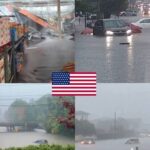
The tragedy in Venezuela has entered its darkest hours. The double earthquake that struck on June 24 did not just shake the foundations of the nation’s infrastructure but also shattered the emotional and physical stability of an already vulnerable country. At this time, the official count—which continues to rise as rescue teams reach the most remote areas of the affected states—has reached the devastating figure of 5,119 deaths, with 16,740 people injured.
The truth is, after days of uninterrupted efforts, the outlook is bleak. The combination of rugged geography, long-standing structural failures, and emergency response has created a scenario that surpasses any previous logistical capacity. Are we facing the worst natural disaster of the century in the country? Reality seems to confirm that we are.

The Pulse of the Tragedy (Snippet Bait): With a confirmed death toll of 5,119 after the June 24 double earthquake, Venezuela is facing a national emergency of historic proportions. Authorities have declared a state of catastrophe as rescue efforts focus on debris removal in critical areas, confronting severe logistical challenges due to the lack of basic supplies and land access.
The Anatomy of the Disaster: What Really Happened?
The magnitude of the event was not just a single earthquake but a dual seismic phenomenon that caught the population off guard, occurring at a time when most people were in their homes.
1. Structural Failure as the Culprit
The reality is that many of the collapsed structures did not meet modern earthquake-resistant standards. To this, we must add the accumulated deterioration due to lack of maintenance in recent years. The combination was lethal: buildings that should have withstood the quake collapsed like houses of cards on their inhabitants.
2. The Logistical Crisis in Ground Zero
Access to the hardest-hit population centers remains the biggest obstacle. Landslides caused by the earthquake itself have blocked the main roads, forcing assistance to be primarily airborne. However, the fleet of aircraft is insufficient for the scale of the affected population.

Impact Table: Breakdown by State (Preliminary Estimates)
To understand where the pain is concentrated, we present an estimate based on reports from Civil Protection to date:

| State/Region | Confirmed Deaths | Infrastructure Status |
| Central Zone | 2,170 | High residential destruction |
| Western Zone | 1,900 | Severe road damage |
| Andean Region | 1,049 | Cut off by landslides |
(Note: These figures are dynamic and are updated as rescue teams advance into hard-to-reach areas).
Emergency Guide: How to Channel Aid and Protect Yourself
In the face of uncertainty, information is the most powerful tool to save lives and help others.
1. Avoid Misinformation: Official Channels.
In situations like this, rumors spread faster than wildfire. Follow only the official channels of rescue agencies and verified news outlets. Do not share lists of unconfirmed fatalities; respect the dignity of the victims and the peace of their families.

2. How to Send Aid: International Support.
If you are outside Venezuela, the most effective way to help is by channeling resources through international organizations with a real presence on the ground, such as the International Red Cross. Be cautious of fundraising campaigns on social media that lack institutional backing.
3. Beware of Aftershocks: Secondary Prevention.
Secondary seismic activity is a real threat. If you are in an affected area, identify unstable structures, do not return to homes with structural cracks, and keep an emergency kit on hand.
The truth is that Venezuela is experiencing a national mourning that will last for years. The resilience of Venezuelans is legendary, but even resilience has its limits when faced with a catastrophe of this magnitude. We will continue to monitor the flow of information, aid requirements, and the long-term impact of this tragedy to keep our audience informed with the seriousness and respect that the victims deserve.
Image: ElHispanoParaTodos/PRESS