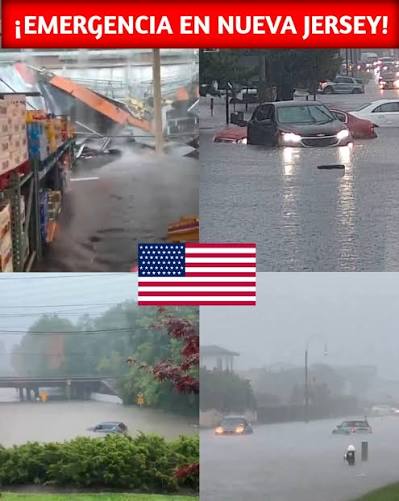
If you live in the New York-New Jersey metropolitan area, images of water rushing down subway stairs or cars floating on main avenues may not seem unfamiliar. However, what we’re seeing in videos flooding social media isn’t just a “summer shower” snapshot—it’s the operational collapse of one of the world’s most important regions in the face of climate change.
The truth is, every time the skies open up in this area, the question isn’t whether there will be flooding, but how severe the damage to our private property will be and how long we’ll be stuck in traffic that simply doesn’t move.

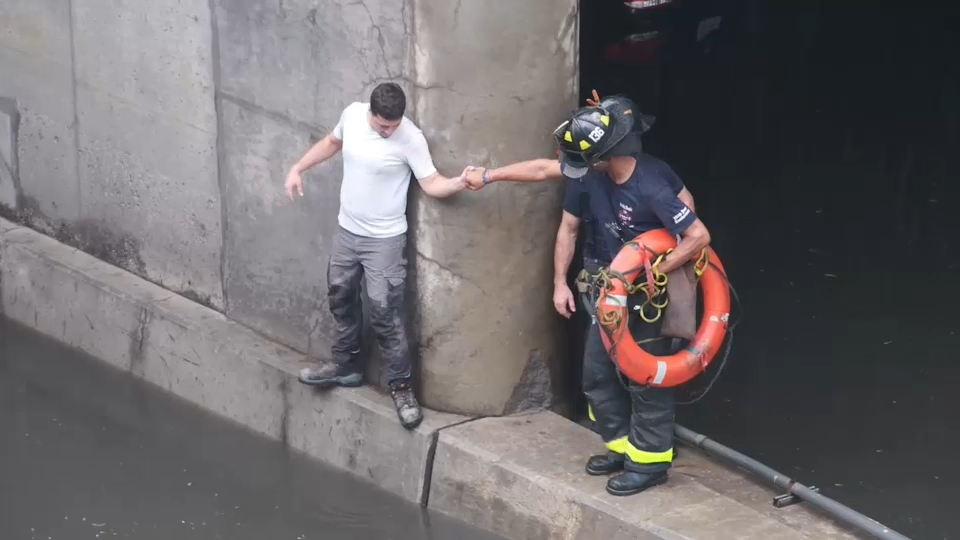
The pulse of the disaster (Snippet Bait): The videos showing the impact of flooding in New York and New Jersey reveal a severe operational crisis: water rescues in residential areas, temporary closures of critical sections of the public transit system (MTA), and near-total paralysis at JFK and Newark airports, with delays affecting thousands of travelers. The official recommendation is clear: avoid any unnecessary travel.
The anatomy of chaos: Why does the infrastructure collapse?
When water reaches record levels in just an hour, it’s not just “a lot of rain.” It’s a drainage system that, in many cases, is nearly a century old and was designed for a climate reality that no longer exists.
1. The “funnel effect” in cities
New York and New Jersey are highly paved. There’s nowhere for the water to be absorbed. When drainage systems become saturated—and they do quickly—streets turn into rivers.
- The silent danger: Basements, so common in our Hispanic communities, become deadly traps. The water pressure is such that it can break doors and windows in seconds.
2. The collapse of the road system
Videos of vehicles trapped in water aren’t just an inconvenience. A car caught in sudden flooding is often a total loss. The engine sucks in water, electrical systems fail, and the risk of being trapped inside is real if the current is strong enough.
Risk Table: What you should watch for today
To help you plan your movements and protect your property, we’ve broken down the critical zones and safety actions:

| Sector | Critical Situation | Safety Recommendation |
| Public Transit | Flooding in stations (MTA/PATH) | Monitor the official Twitter feed of your line. |
| Roadways | Rivers on avenues and underpasses | Never attempt to cross a flooded area on foot or by car. |
| Housing (Basements) | Water accumulation and electrical risks | Disconnect electricity if water reaches dangerous levels. |
| Airports | Mass cancellations and delays | Do not go to the airport without confirming your flight. |
Emergency guide: Safeguarding your routine against water
We can’t stop the rain, but we can prevent chaos from destroying our finances and family safety.
1. Basement protection: Residential safety.
If you live in a basement, keep an emergency bag with vital documents handy. Install a sump pump if you’re a homeowner, and if you’re a tenant, demand mitigation measures from your landlord. Don’t ignore “Flash” flood alerts.
2. Golden rule: Don’t cross: Smart mobility.
See standing water? Don’t go through it. A foot of moving water can sweep away a small vehicle. If you’re on the street, seek higher ground immediately. It’s better to arrive home late than not at all.

3. Renter’s insurance?: Documenting damage.
If water enters your home, document everything with video before touching anything. You’ll need proof for your insurance. Remember: many standard home insurance policies DO NOT cover flooding. Review your policy today.
The truth is, we’ve grown accustomed to living in a “constant state of alert.” But while governments debate long-term infrastructure budgets, you must take short-term measures. The next storm won’t ask if we’re ready. Stay informed, take care of your loved ones, and above all, never underestimate the power of standing water on this region’s streets.
Image: ElHispanoParaTodos/PRESS