

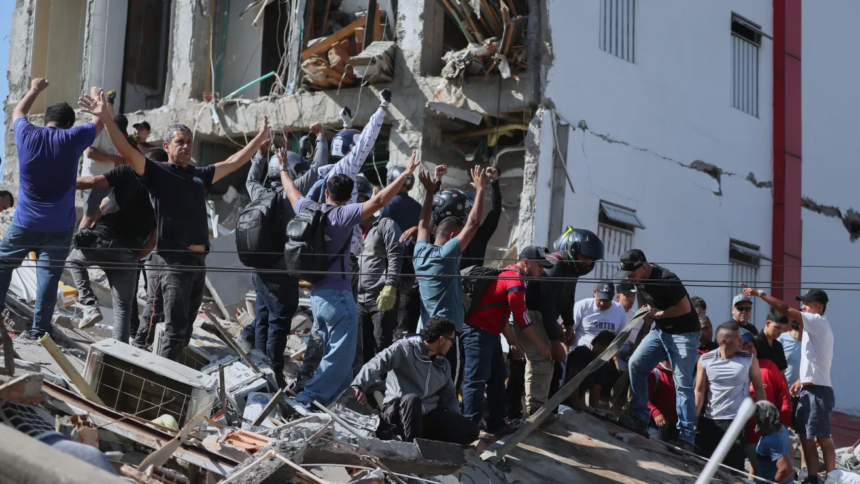
If you have family, friends, or roots in Colombia, you know that the first 24 hours after a natural disaster of this magnitude are lived in a suffocating mix of silence, despair, and the incessant sound of ambulance sirens. The truth is that when authorities update the toll and confirm the death count has surpassed 220, reality hits like a hammer: we are facing one of the worst humanitarian and structural emergencies in recent years in the South American country.
- The anatomy of grief: Where are the greatest human and material losses concentrated?
- 1. The collapse of residential and rural infrastructure
- 2. The logistical bottleneck: Blocked roads and blind rescues
- Table: Snapshot of the second day of emergency — Victims, damage, and assistance
- Practical guide: How to help the affected and avoid scams from abroad
After the violent seismic event that shook much of the national territory, nighttime rescue efforts—conducted against the clock and under the constant risk of deadly aftershocks—allowed relief agencies to access areas that remained cut off until yesterday. What rescuers found as they removed blocks of cement in municipalities of the Coffee Axis, Valle del Cauca, and Andean rural zones exceeded the most pessimistic forecasts. How is the emergency being managed, and what lies ahead? Let’s get to the point.

The pulse of the national tragedy (Snippet Bait): Exactly 24 hours after the violent earthquake that struck Colombia, the official death toll exceeds 220, with thousands injured and hundreds missing under the rubble. The National Unit for Disaster Risk Management (UNGRD), along with the Military Forces and international rescue teams, is deploying a critical active search phase, facing collapsed roads, overwhelmed hospitals, and the urgent need to provide drinking water and shelter to the affected.
The anatomy of grief: Where are the greatest human and material losses concentrated?
To grasp the scale of this tragedy, it is necessary to look beyond the numbers consolidated in Bogotá and descend to the geographic points where the impact was direct and lethal.
1. The collapse of residential and rural infrastructure
The time at which the main quake occurred largely determined the fatality of the toll. Many families were inside their homes or resting after the workday.
- The drama in urban centers and rural areas: Unlike major metropolises with more recent earthquake-resistant construction regulations, intermediate municipalities and rural areas of the Andean region suffered the massive collapse of unreinforced masonry buildings, old bahareque houses, and rural schools that crumbled like houses of cards.
- The trap of the rubble: Local hospitals, which should be the first point of aid, suffered structural damage in several affected localities, forcing doctors to treat the injured in the streets under improvised field tents and with a critical shortage of basic medical supplies.
2. The logistical bottleneck: Blocked roads and blind rescues
One of the biggest obstacles facing rescuers one day after the quake is the destruction of the main and secondary road networks.
- The uncomfortable truth: Major landslides buried key road sections connecting relief centers with the hardest-hit mountainous zones. This has delayed the arrival of heavy machinery, portable power plants, and K-9 search teams, turning the first 48 hours into an agonizing race against time to save those still breathing under the rubble.
Table: Snapshot of the second day of emergency — Victims, damage, and assistance
To visualize the current state of the catastrophe with surgical precision, we present the consolidated report from relief agencies 24 hours after the impact:

| Emergency Indicator | Current Status (24 hours post-quake) | Key Operational Challenges |
| Fatalities | Over 220 confirmed (preliminary figure rising). | Forensic identification and dignified delivery of bodies in overwhelmed morgues. |
| Injured and Wounded | Thousands of medical treatments recorded in field hospitals. | Total saturation of ICU beds and shortage of painkillers and IV fluids. |
| Road Infrastructure | Multiple main roads blocked by landslides and collapsed bridges. | Opening of alternate routes and use of humanitarian airlifts. |
| Public Services | Widespread outages of electricity, water, and gas in epicentral zones. | Installation of mobile water purification plants and water supply via tanker trucks. |
Practical guide: How to help the affected and avoid scams from abroad
For our Hispanic community in the United States and around the world, the immediate desire after learning of a tragedy of this magnitude is to send financial aid or donations. However, in times of chaos, scams proliferate. Follow these steps to help safely.
1. Use only accredited organizations: Verification of official channels.
Never donate to personal social media accounts claiming to collect funds for the earthquake victims in Colombia. Channel your support through institutions with proven track records and transparent channels, such as the Colombian Red Cross, Civil Defense, or humanitarian aid funds managed by official international agencies.
2. Why money is often more effective in disasters: In-kind donations vs. monetary funds.
While sending clothes or food may seem like a direct act of love, the international logistics of shipping amid blocked roads often leaves physical aid stranded at airports or customs. Direct monetary donations allow organizations to purchase medical supplies, food, and purified water locally, boosting the economy of the affected area and reducing delivery times.

3. Safe channels to search for relatives: Psychological support and contact networks.
If you cannot reach your loved ones in the devastated areas, avoid overwhelming local emergency lines. Use the missing persons registration platforms enabled by the International Red Cross and the official bulletins from the Risk Management Unit to report or locate relatives.
The truth is that overcoming a national mourning of over 220 lives lost will take years, and the physical reconstruction of the affected towns will require a titanic effort from Colombian society and international solidarity. For our community, keeping attention on this tragedy alive and sending real aid is the best way to honor those who are no longer with us. We will continue reporting tirelessly as the rescue progresses.
Image: ElHispanoParaTodos/PRESS





