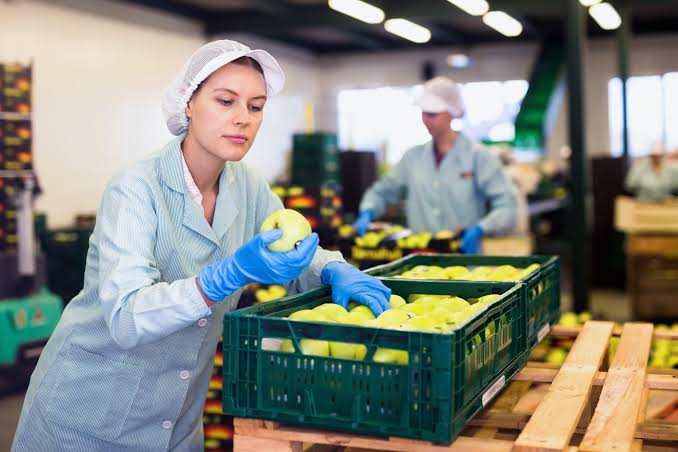
The U.S. Food and Drug Administration (FDA) published this Tuesday the final version of a guidance aimed at the fresh produce industry to reduce contamination risks in cut and ready-to-eat fruits and vegetables.
This regulatory update comes at a critical time, coinciding with recent outbreaks of foodborne illnesses linked to fresh produce that have raised national alarms.

Health authorities continue to investigate an outbreak of cyclosporiasis tied to iceberg lettuce, as well as recent alerts over potential salmonella contamination in products containing jalapeños.
Alongside the FDA, the Food Safety and Inspection Service (FSIS) of the U.S. Department of Agriculture (USDA) found it necessary to issue public health alerts for several meat and poultry products containing jalapeños regulated by the FDA, due to these same contamination risks.
New Preventive Control Measures
The FDA document warns that cut fresh produce is especially vulnerable because, as ready-to-eat products, they rarely undergo a cooking process that would eliminate pathogens.
While the new guidelines are not legally binding, they set a strict standard affecting processors of common household products, such as:

- Chopped lettuce and salad mixes
- Cut melon and fruit salads
- Diced onions and shredded carrots
To mitigate risks, the FDA recommends processors closely monitor their suppliers and assess whether pathogens like Salmonella, Listeria, E. Coli, or Cyclospora pose a threat in their supply chain. Operational recommendations include:
- Safe water use: Implement antimicrobial solutions during the washing of fruits and vegetables.
- Temperature control: Maintain rigorous refrigeration at all stages.
- Facility hygiene: Improve processing plant design and sanitation to prevent cross-contamination.
- Training: Strengthen staff training involved in food handling.
The agency noted that contamination of these high-risk food products can occur at any point in the supply chain, from farming and harvesting to packaging, transportation, and display for public sale.
You can see more details in this report on the country’s new food guidelines. This video provides additional context on how the U.S. government is comprehensively reformulating its nutrition and public health policies.