If you are one of the millions of people who use over-the-counter (OTC) lubricating eye drops or treatments to combat dryness, screen fatigue, or seasonal allergy irritation, pause your routine for a moment and check your bathroom cabinet. The truth is, we blindly trust the pharmaceutical products we buy without a prescription from pharmacy and supermarket shelves, assuming that if they are for sale, they are completely safe.
- The Anatomy of the Danger: Why a “Lack of Sterility” Is an Invisible Threat
- 1. The Eye: A Highly Vulnerable Biological Barrier
- 2. Which Products Are Affected and How to Identify Them?
- Table: Recall Breakdown — Brands, Risks, and Action Guidelines
- Practical Guide: What to Do If You Purchased Affected Eye Drops
However, the recent mass recall notices issued by the FDA (Food and Drug Administration) remind us of an unyielding rule: a failure in the sterilization processes at a pharmaceutical plant can turn a harmless remedy into a vehicle for dangerous bacteria and fungi. After the traumatic outbreaks of resistant infections in previous years—which left indelible scars and human losses in the country—any notification of a “lack of sterility assurance” must be treated with absolute seriousness. Which products are affected, what are the real risks, and what steps should you take if you have already purchased them? Let’s break it down thoroughly.

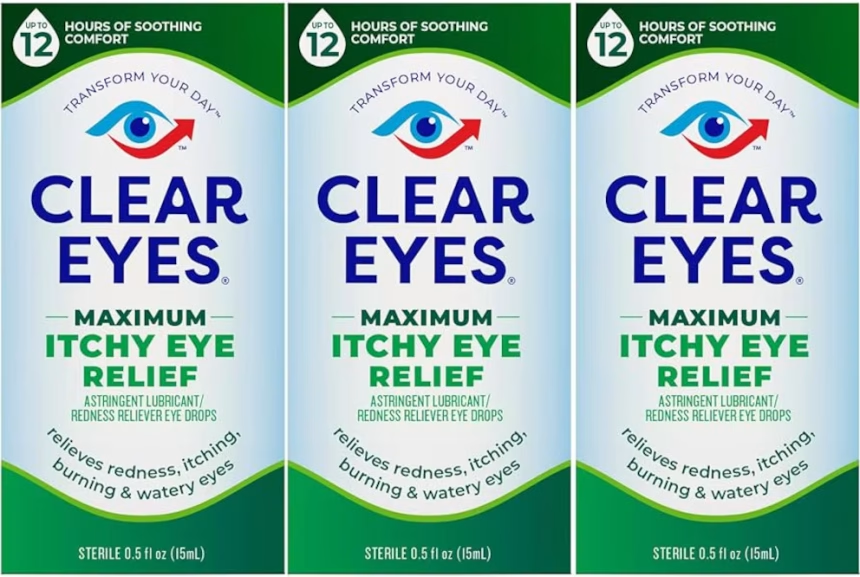
The Pulse of the Pharmaceutical Alert (Snippet Bait): The FDA has issued alerts and coordinated voluntary recalls of highly popular ophthalmic products—including specific batches of commercial brands such as Clear Eyes Maximum Itchy Eye Relief and various lines of artificial tears distributed in major chains like Walgreens, CVS, and Kroger—due to a “lack of sterility assurance” (potential risk of bacterial or fungal contamination). Although no mass infections linked to these specific batches have been reported so far, authorities recommend discontinuing their use immediately to prevent serious corneal complications.
The Anatomy of the Danger: Why a “Lack of Sterility” Is an Invisible Threat
To understand the magnitude of these alerts, it is essential to grasp the delicate nature of the human eye when exposed to chemicals and pharmaceuticals.
1. The Eye: A Highly Vulnerable Biological Barrier
Unlike other medications that we ingest orally and pass through the filters of the digestive and hepatic systems, eye drops and ophthalmic suspensions are applied directly to a highly vascularized mucous membrane that lacks traditional skin defenses.
- The invisible risk: When an ophthalmic product has manufacturing issues or loses its hermetic and sterile conditions, pathogenic microorganisms find a perfect breeding ground in the bottle’s liquid.
- The precedent that terrifies specialists: Eye health experts cannot help but scrutinize these alerts after the devastating 2023 outbreak, in which contaminated eye drops with the resistant bacteria Pseudomonas aeruginosa caused dozens of severe infections, permanent vision loss in several patients, and deaths nationwide. For this reason, current regulatory tolerance is practically zero.
2. Which Products Are Affected and How to Identify Them?
The recent recalls include both well-known commercial brands and generic store-brand products marketed by mass pharmaceutical distributors.
- Clear Eyes Maximum Itchy Eye Relief: Specific batches have been recalled (such as batch 2552A, with an expiration date of September 2027) due to a lack of sterility assurance detected by Prestige Consumer Healthcare.
- Artificial tears and generic store brands: National chains like Walgreens, CVS, Kroger, Target, and Walmart have preventively recalled millions of units of bottles labeled as Ultra Lubricating Eye Drops, Dry Eye Relief, and Artificial Tears, manufactured under standards that showed deficiencies in good manufacturing practice (cGMP) audits.
Table: Recall Breakdown — Brands, Risks, and Action Guidelines
To clearly visualize which products are under scrutiny and what measures to take, here is a quick reference guide:

| Product Category | Reason for Alert/Recall | Potential Health Consequence | Immediate Recommended Action |
| Allergy and Itch Relief Eye Drops (e.g., Clear Eyes Max Itchy) | Lack of sterility assurance in specific batches. | Severe irritation, moderate risk of temporary reversible infections (Class II). | Check the batch number, discontinue use, and process a return. |
| Generic Artificial Tears (CVS, Walgreens, Kroger) | Concerns about aseptic controls at the production plant. | Possible proliferation of opportunistic bacteria or fungi on the ocular surface. | Discard the bottle immediately in the trash, regardless of whether it has been opened. |
| Prescription Ophthalmic Medications (Glaucoma/Infections) | Not part of this mass recall (except for isolated, specific cases). | None related to this specific alert. | Continue use under medical supervision. Never discontinue prescribed treatments without consulting your ophthalmologist. |
Practical Guide: What to Do If You Purchased Affected Eye Drops
Finding an affected product in your home can cause anxiety, but acting quickly and methodically eliminates any major risk to your eye health. Follow these foolproof steps:
1. Verify the batch number and UPC: Visual inspection and code review.
Take the bottle of eye drops you have at home and examine the box or the side label. Look for the batch number (Lot) and the barcode (UPC or NDC). Visit the FDA’s official page (Recalls, Market Withdrawals, Safety Alerts) or compare the digits with the lists published by retail chains. If your bottle matches the flagged batches (for example, batch 2552A in certain itch relief lines), do not hesitate: remove it from circulation.
2. Do not ‘take a chance’ or give the product away: Immediate suspension of use and safe disposal.

Even if the liquid looks clear and you do not notice any strange odor, microbial contamination is invisible to the human eye. Discard the bottle immediately in household trash safely. If you are a contact lens user, take extra precautions, as lenses can trap and retain pathogenic microorganisms, worsening any corneal micro-ulcers.
3. How to claim your refund and when to see a doctor: Refund request and symptom monitoring.
Take the product or the purchase receipt to the store where you bought it (Walmart, Target, local pharmacies) to request a full refund under recall return policies. Also, monitor your eyes for the next two weeks: if you experience persistent redness, eye pain, unusual discharge (unusual crusting), blurred vision, or extreme light sensitivity, see a specialist immediately. Do not self-medicate with home remedies.
The truth is that eye health is an irreplaceable treasure, and these national health alerts remind us that prevention is our best defensive barrier. For our Hispanic community, being informed in time means protecting the well-being of the entire family against unforeseen issues in the pharmaceutical industry.
Image: ElHispanoParaTodos/PRESS