
Peace of mind in homes, schools, and workplaces across the United States is under serious threat from a microscopic yet relentless enemy. If you have school-aged children, work in public-facing jobs, or simply share your daily life in crowded spaces, it’s time to sound the health alarms at home. The Centers for Disease Control and Prevention (CDC) has reported a drastic increase in contagion levels of the so-called Norovirus Outbreak or vomiting virus nationwide. This illness, formally known in the medical field as norovirus, spreads at an alarming speed and can knock an entire family off their feet within hours.
The truth is, this is not just a simple summer indigestion or a passing hangover. Norovirus is one of the leading causes of acute gastroenteritis in the country, and its environmental resistance makes it a public health nightmare.

Emergency Medical Diagnosis (Snippet Bait): The vomiting virus or norovirus is characterized by causing acute inflammation of the stomach and intestines (gastroenteritis). Its main symptoms include severe and explosive vomiting, watery diarrhea, intense nausea, and unsettling stomach cramps. While most people recover completely within one to three days, the critical danger lies in rapid dehydration, a condition that can lead to the urgent hospitalization of infants, young children, and older adults.
Anatomy of Contagion: Why This Virus Is a Titan of Spread
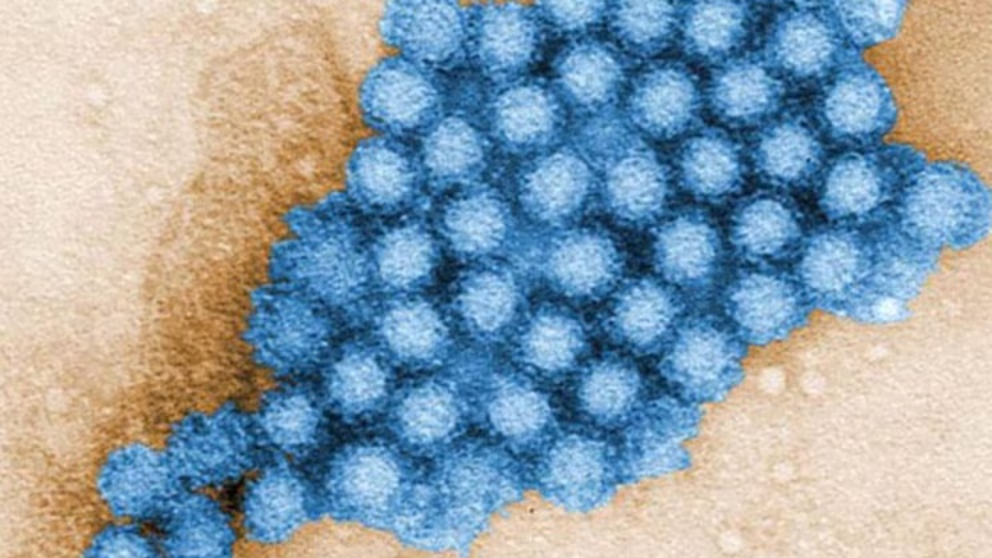
To understand why norovirus is overwhelming waiting rooms in health centers from Florida to New York, we need to look at its biological structure. It’s not a fragile virus that dies upon first contact with air. On the contrary, norovirus has a highly resistant protein shell that allows it to survive for days on hard surfaces like kitchen countertops, toys, doorknobs, and even public transportation handrails.
Here’s the interesting part: it takes only a few viral particles (fewer than 20 microbes) to infect a healthy human. To put it in perspective, a single sick person with the vomiting virus can release billions of these particles through bodily fluids or microscopic droplets in the air after an episode of vomiting.
Most Common Transmission Routes
- Direct Contact with Contaminated Surfaces: You touch a grocery cart used by someone infected, don’t disinfect properly, and then put your hand to your mouth to eat a snack. The virus has already entered your system.
- Contaminated Food and Water: Outbreaks in restaurants and banquets often occur because a food handler went to work while still suffering from the virus. Raw shellfish (especially oysters harvested from contaminated waters) and poorly washed fresh fruits are historical vectors for mass contagion.
- Person-to-Person Spread: Sharing glasses, utensils, or caring directly for a sick child without proper protective barriers almost guarantees you’ll be the next victim of the outbreak at home.
Warning Signs: How to Tell It Apart from Common Food Poisoning
Recognizing the signs of the vomiting virus in time makes the difference between successful outpatient management and an emergency room visit. Symptoms usually appear suddenly, typically between 12 and 48 hours after exposure to the pathogen.
Can we really confuse this virus with a common stomach upset? Yes, but the intensity and speed of norovirus episodes are unmatched. The patient can go from feeling perfectly fine to experiencing a destructive stomach emergency within minutes.

+-----------------------------------------------------------------+
|             KEY SYMPTOMS OF THE VOMITING VIRUS                  |
+-----------------------------------------------------------------+
|                                                                 |
|  [ SYMPTOM 1: Explosive Vomiting ]                              |
|  Uncontrollable, recurrent, and the main cause of dehydration   |
|  in young children.                                             |
|                                                                 |
|  [ SYMPTOM 2: Massive Watery Diarrhea ]                         |
|  No presence of blood (a key detail to differentiate it from    |
|  a severe bacterial infection like Salmonella).                |
|                                                                 |
|  [ SYMPTOM 3: Moderate Fever and Myalgia ]                      |
|  Generalized muscle pain, chills, and extreme fatigue that      |
|  mimic a stomach flu.                                           |
|                                                                 |
+-----------------------------------------------------------------+
Comparison Table: Norovirus vs. Food Poisoning
It’s common for people to blame last night’s dinner for their stomach discomfort. Let’s analyze the real clinical differences in this comparison table so you know exactly what enemy you’re facing:
| Clinical Criterion | Norovirus Infection (Vomiting Virus) | Bacterial Food Poisoning |
| Onset of Symptoms | Sudden and violent (12 to 48 hours post-exposure). | Rapid (2 to 6 hours if caused by toxins) or slow (days). |
| Duration of Illness | Short but intense (Generally 24 to 72 hours). | Variable (Can last a week or more). |
| Contagion Capacity | Extreme. Spreads easily from person to person. | None or very low. Only affects those who ate the food. |
| Alcohol Resistance | High. Common hand sanitizers do NOT kill it. | Low. Bacteria die with standard disinfectants. |
| Medical Treatment | Supportive care only (Oral hydration and rest). | May require specific antibiotics depending on the culture. |
The Greatest Danger: The Specter of Dehydration
Treating the vomiting virus at home requires constant monitoring of the body’s fluid levels. There is no specific antiviral medication to cure norovirus; the goal of treatment is purely supportive. The body uses vomiting and diarrhea as mechanical purging mechanisms, which deplete the body’s reserves of water and essential electrolytes.
“The most common mistake parents make is trying to force children to eat solid foods or giving them large amounts of plain water all at once after vomiting. That only further irritates the stomach lining and triggers new vomiting episodes, accelerating dehydration collapse,” warns a pediatric specialist from the community healthcare network.
Clinical signs that should prompt you to seek immediate emergency medical attention include: completely dry or sticky mouth, absence of tears when crying, sunken eyes, severe dizziness when trying to stand, mental confusion or extreme lethargy, and going more than 8 hours without urinating (or completely dry diapers in the case of infants).

Family Action Plan: 4-Step Protocol to Stop the Outbreak at Home
If the vomiting virus has already entered your home and a family member has started showing symptoms, improvisation is your worst enemy. There is zero margin for error to prevent everyone in the house from becoming infected. Follow this strict management and hygiene protocol:
1. Patient Confinement and Bathroom Assignment: Isolation Phase.
Designate a single resting space for the sick person. If possible, assign them an exclusive bathroom that no one else in the family should use during the acute phase of the illness. Restrict pet and child access to the patient’s room to cut off transmission vectors through contact.
2. Gradual and Fractionated Oral Hydration Therapy: Clinical Support.
Do not administer strong painkillers or anti-vomiting medications without direct medical supervision. Use oral rehydration solutions with balanced electrolyte concentrations (such as Pedialyte or pharmacy oral rehydration salts). Offer the liquid in tiny doses: a teaspoon or small sip every 5 to 10 minutes. If the patient retains the liquid for more than an hour, gradually increase the dose.
3. Chemical Disinfection with Bleach (Goodbye to Alcohol Gel): Critical Disinfection.
Here’s the uncomfortable truth: the alcohol-based hand sanitizer we all use does NOT eliminate norovirus. To clean contaminated surfaces, doorknobs, faucets, and floors, prepare a diluted bleach solution: mix between one-third and two-thirds of a cup of liquid bleach in a gallon of plain water. Use protective gloves and thoroughly clean all frequently touched areas.
4. Industrial Washing of Contaminated Clothing and Bedding: Textile Management.
Carefully remove sheets, towels, and clothing that have come into contact with the patient’s fluids, avoiding shaking them to prevent viral particles from dispersing in the air. Wash the textiles immediately in the washing machine using the hottest water setting on the longest cycle available, and dry them at high heat to ensure thermal destruction of the vomiting virus.
Maintaining vigilance in family health prevention is a shared responsibility. The seasonal advance of gastroenteritis outbreaks reminds us that basic hygiene and household discipline remain humanity’s most powerful tools against health emergencies. If symptoms persist for more than three full days or if the fever exceeds 102 °F (38.9 °C), do not try to solve the problem with questionable home remedies. Visit your family doctor or trusted community clinic. Taking care of your loved ones starts with being properly informed and acting with a clear head before the emergency knocks on your door.
Image: ElHispanoParaTodos/PRESS