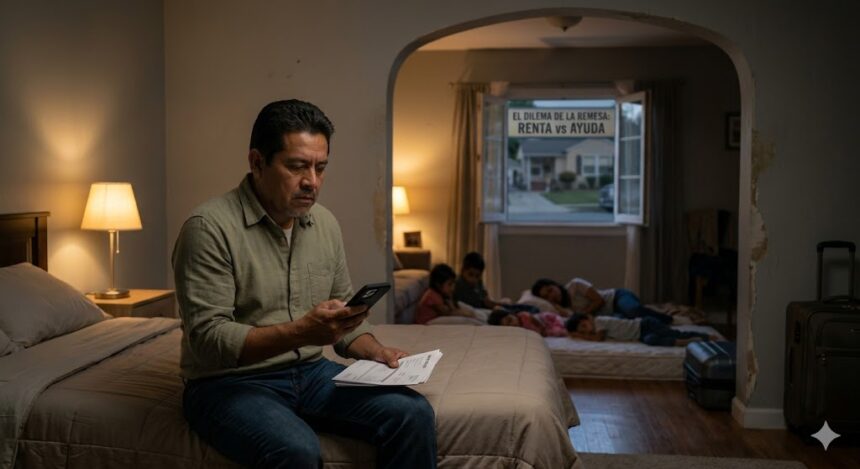
The Invisible Cost of the “American Dream”: When the Paycheck No Longer Stretches for Two Countries
The reality hits hard when opening the mailbox. On one side, the notice of a rent increase; on the other, a WhatsApp message from a mother, child, or grandparent waiting for that monthly $200 or $300 remittance to buy medicine or food in Mexico, Colombia, or Central America. It’s not just economics; it’s a crisis of loyalties. Persistent inflation in the United States has stopped being a news headline and become a silent executioner in Latino households. The question is no longer how much can be saved, but which sacrifice hurts less: risking eviction in New York or Miami, or allowing the table to be empty on the other side of the border?
Critical Data: According to recent analyses, the cost of housing in metropolitan areas with high Hispanic density has risen by up to 18%, while the real purchasing power of remittances has been eroded by devaluation and local inflation in recipient countries.

The Squeeze Effect: Why Money Disappears Before It Reaches the Bank
To understand this phenomenon, we must break down the “perfect storm” facing our families. It’s not just that eggs or gas are more expensive. It’s a cost structure that has become unsustainable.

1. Rent: The Monster That Devours Everything
Unlike other expenses that can be cut (like eating out or buying clothes), rent is a fixed, inflexible cost. In cities like Los Angeles, Houston, or Chicago, the percentage of income spent on housing has risen from 30% to 50% in many immigrant households.
2. The “Hidden” Inflation in Sending Money
When you send money, inflation bites twice. First, here in the U.S., where it costs more to earn that extra cash. Second, in your home country, where those same dollars buy much less today than they did two years ago due to global price increases.

Table: The Real Impact of Sending Money (Comparative Example 2022 vs. 2026)
| Concept | Estimated Cost 2022 | Estimated Cost 2026 | Impact on the Wallet |
| Rent (Avg. 1-Bedroom Apt) | $1,200 | $1,750 | +45% financial pressure |
| Weekly Grocery Basket | $150 | $240 | Forced cuts in other expenses |
| Average Remittance Sent | $300 | $300 (Fixed) | Real purchasing power: -25% |
| Balance After Expenses | $400 | -$110 | Deficit / Debt |
How to Choose Between Shelter and Family? Financial Survival Strategies
The truth is… there’s no easy answer. But here’s the interesting part: Hispanic families are turning to “creative resilience.” If you find yourself at this breaking point, consider these crisis management pillars:
- The Radical Transparency Rule: It’s time for an uncomfortable conversation with those receiving the money. Explaining that the situation “up north” isn’t what it was five years ago helps adjust expectations and allows them to seek local alternatives if possible.
- Optimizing Fees: Don’t use the first money transfer service you see on the corner. Digital transfer apps offer much more competitive exchange rates and nearly $0 fees compared to traditional methods. That $10 or $15 savings is an extra gallon of milk for your kids here.
- The “Dual-Purpose” Emergency Fund: Before sending the full surplus, set aside an extra 5% for a rent contingency fund. It’s better to send $20 less each month than to be evicted and unable to send anything at all next semester.
The Psychological Impact: The “Immigrant’s Guilt”
This is where economists fail: they don’t see the emotional cost. Hispanic workers feel an immense moral burden. Many prefer to skip meals or work double 16-hour shifts before failing to send money.
“You feel like if you don’t send the money, you’re abandoning them. But if you don’t pay rent, you end up on the street—and then how will you help them?” — Testimony from Juan P., a construction worker in Florida.
This pressure is generating record levels of stress and anxiety in our community. It’s vital to understand that financial well-being in the United States is the foundation that enables support abroad. If the foundation breaks, the support disappears.

What Could Happen in the Long Term?
If the trend continues, we’ll see a structural shift in remittances. We could move from monthly to quarterly, larger transfers to save on costs, or an increase in sending physical products (food, medicine) through “encomenderos” or freight services to avoid the loss of cash value.
Image:ElHispanoParaTodos/PRESS