
If you’ve spent the last 48 hours battling an upset stomach that just won’t quit, it might not be the classic “summer virus” your grandmother used to mention. The CDC has raised alarms in Florida over a rise in cyclosporiasis cases, an intestinal infection caused by a microscopic parasite hiding where you least expect it: in fresh produce.
The truth is, cyclosporiasis isn’t just “a bad spell.” It’s a condition that can knock you out for weeks if not treated properly.

The pulse of the emergency (Snippet Bait): According to current CDC reports, cyclosporiasis outbreaks in Florida are linked to the consumption of contaminated fresh produce. The infection presents with severe (watery) diarrhea, intense abdominal cramps, extreme fatigue, and, in some cases, fever. If you experience these symptoms, the key recommendation is immediate hydration and mandatory medical consultation, as the parasite requires specific antibiotics that over-the-counter anti-diarrheals won’t resolve.
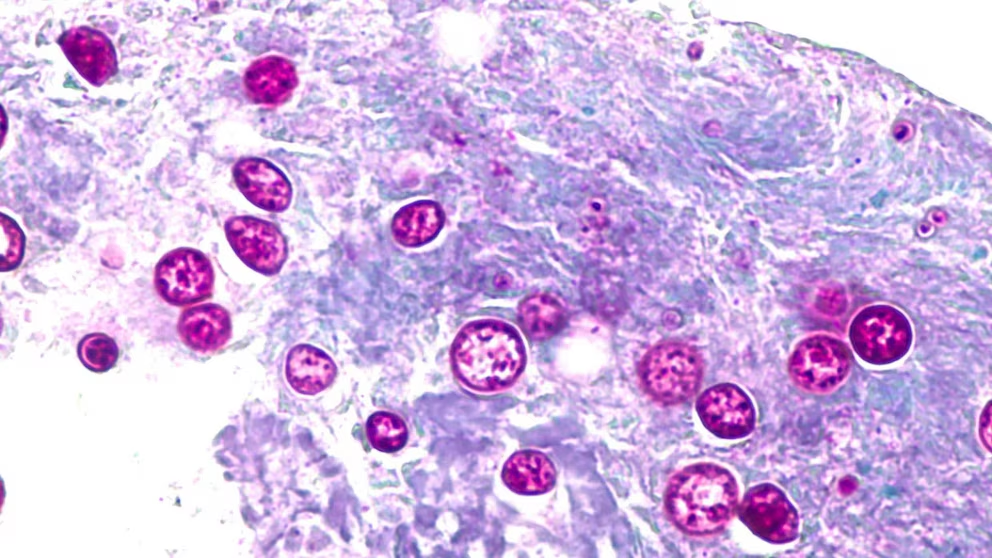
What Is Cyclosporiasis, and Why Is This Summer Different?
The Cyclospora cayetanensis is a protozoan parasite. Unlike common bacteria such as Salmonella, this tiny invader needs days or weeks to become infectious after being excreted.
How Does It End Up on Your Plate?
The route of transmission is typically through contaminated water or soil that comes into contact with fresh produce during cultivation or packaging.
- High-risk products: Fresh fruits and vegetables, especially imported ones, are the most common carriers.
- The illusion of washing: Washing lettuce or berries at home helps, but it doesn’t always guarantee the complete removal of the parasite’s oocysts.
The uncomfortable reality: You may be extremely hygienic in your kitchen, but if the product was already contaminated in the field, your efforts are drastically reduced. That’s why traceability and early alerts are your best defenses.
Comparison Table: Is It Cyclosporiasis or Just Indigestion?
To stop guessing and start acting, let’s compare the symptoms. Remember: This doesn’t replace a lab test.
| Symptom | Common Indigestion | Cyclosporiasis (According to CDC) |
| Diarrhea | Mild, resolves in 24 hours | Severe, watery, lasts weeks |
| Duration | Very short | Can last weeks or months if untreated |
| Fatigue | Minimal | Extreme and debilitating |
| Treatment | Hydration | Antibiotics (trimethoprim-sulfamethoxazole) |
What to Do If You Suspect Infection? (Action Protocol)
Don’t wait until your body is exhausted from dehydration. The protocol for suspected cyclosporiasis is precise.

1. Demand specific tests: Medical attention.
Most standard stool tests (cultures) do not detect the Cyclospora parasite. You must specifically request from your doctor a “parasite test” or an antigen test to detect Cyclospora.
2. More than water: Critical hydration.
Severe diarrhea depletes electrolytes. Don’t just drink water; use oral rehydration solutions (ORS) to maintain sodium and potassium balance. Dehydration is the leading cause of hospitalization in these outbreaks.
3. Help stop the outbreak: Health report.
If your doctor confirms the diagnosis, the Florida Department of Health will likely contact you. Answer the questionnaire about what you ate in the last 14 days. Your information is vital for authorities to remove the contaminated food batch from the market.

Prevention Measures That Actually Work
- Cook what you can: The parasite is heat-sensitive. If the product can be cooked, it’s safer.
- Be cautious with restaurant salads: During declared outbreaks, avoid raw vegetable salads in places where you can’t verify the origin or disinfection process.
- Hand hygiene: While the parasite isn’t directly transmitted from person to person (it requires an environmental cycle), hand hygiene remains the cornerstone of food safety.
Cyclosporiasis is a challenge, but it doesn’t have to ruin your summer. The key is vigilance and knowledge. We’ll continue monitoring CDC alerts to inform you of any specific batches removed from the market.
Image: ElHispanoParaTodos/PRESS