The Real Shock: Why This Attack Isn’t ‘Just Another Conflict’
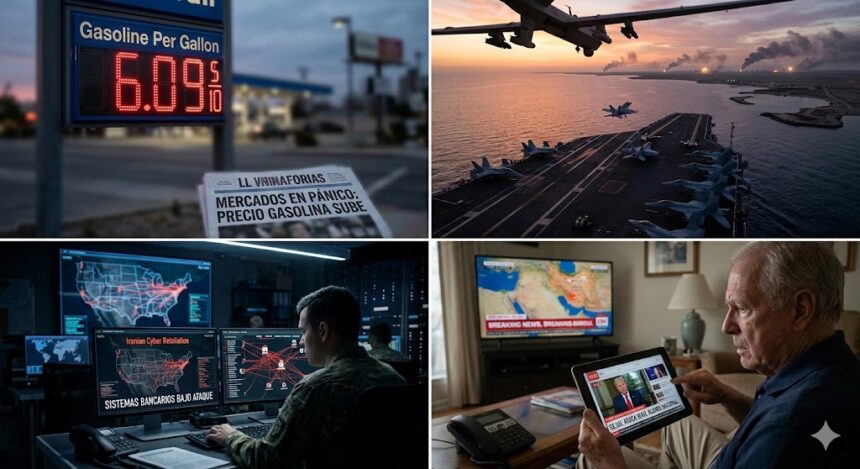
The situation is critical. After the bombings on February 28, 2026, the war in Iran that resulted in the death of Supreme Leader Ali Khamenei, the global market has panicked. Iran isn’t an island; it’s the gateway for 20% of the world’s oil.
- The Real Shock: Why This Attack Isn’t ‘Just Another Conflict’
- Impact on Your Wallet: The Domino Effect
- 1. Oil at $100: The End of Cheap Gas
- 2. ‘Imported’ Inflation
- 3. Volatility in Your Savings (401k and Crypto)
- Security: The Digital and Infrastructure Front
- Comparison Table: Impact Scenarios (2026)
- What Can You Do Right Now?
Key Fact: The U.S. attack on Iran will hit your wallet primarily through an immediate spike in gas prices (which could exceed $5–$6 per gallon) and accelerated food inflation. For security, the biggest risk to the average citizen is retaliatory cyberattacks targeting banking and electrical infrastructure.
Credit: ElHispanoParaTodos/PRESS
Impact on Your Wallet: The Domino Effect
1. Oil at $100: The End of Cheap Gas
The Strait of Hormuz is under threat of closure. If Iranian militias block this passage, the Brent crude barrel, which was at $73, could surge to $108 or even $120.

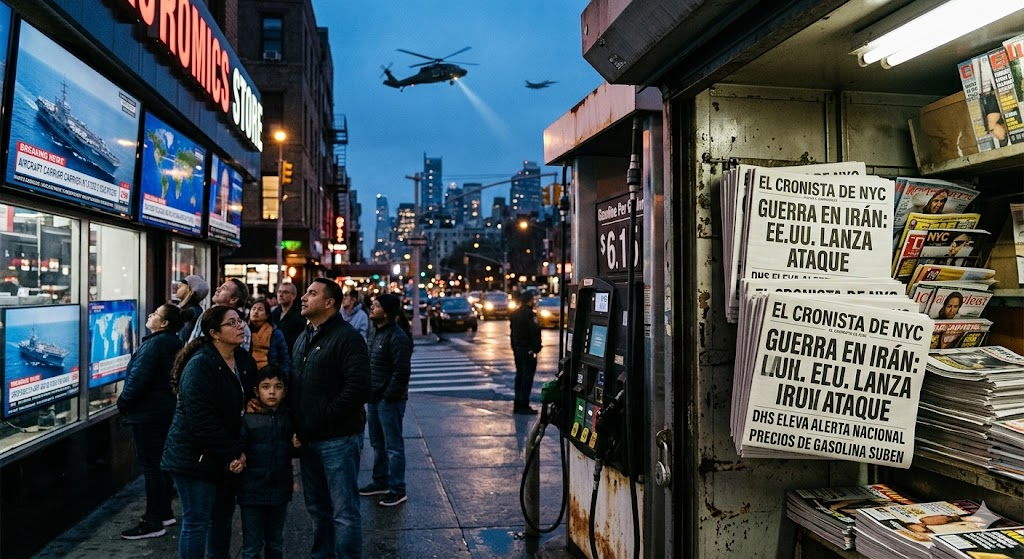
- At the pump: Be prepared to see increases of 50 cents to $1 per gallon within days.
- Transportation and Logistics: Everything you buy arrives by truck or ship. If diesel prices rise, so will the cost of your weekly groceries.
2. ‘Imported’ Inflation
It’s not just fuel. Iran is a major exporter of gas and fertilizer derivatives.
- Food: The cost of producing food rises when fertilizers become scarce.
- Travel: If you were planning a trip, airlines’ ‘fuel surcharges’ will make tickets prohibitively expensive.
3. Volatility in Your Savings (401k and Crypto)
Markets are jittery. While gold has risen 22% this year as a safe haven, Bitcoin has weakened, dropping 25% recently. Your investment portfolio could stay in the red for a while if you don’t diversify into safe-haven assets.
Security: The Digital and Infrastructure Front
Iran knows it can’t win a conventional war against the Pentagon, but it has a silent weapon: asymmetric warfare.
The Cyberattack Threat
Cybersecurity experts warn that Iran’s response will be digital. What does this mean for you?

- Banks: Disruptions in mobile banking services or ATMs.
- Power Grid: Ransomware attacks on utility companies that could cause localized blackouts.
- Privacy: A massive surge in phishing scams (email fraud) exploiting the news chaos to steal data.
Physical Security and Surveillance
While a large-scale terrorist attack on U.S. soil is less likely due to high surveillance, the Department of Homeland Security (DHS) typically raises alert levels at airports and government buildings. Expect longer lines and stricter checks.
Comparison Table: Impact Scenarios (2026)
| Factor | Current Scenario (Pre-Attack) | Prolonged War Scenario |
| Average Gas Price (Per Gallon) | $3.40 – $3.60 | $5.50 – $6.50 |
| Oil Barrel Price | $73 | $105 – $120 |
| Global Inflation | 3.2% | 4.5% – 5.1% |
| Cyber Risk | Moderate | Critical (Financial Systems) |
What Can You Do Right Now?
Don’t panic—take action. Here are three realistic steps to protect your family:
- Fill Up Your Tank and Pantry: Don’t wait for prices to rise next week. Make a smart purchase of non-perishable goods now.
- Cyber Hygiene: Change your banking passwords and enable two-factor authentication (2FA). Attacks on financial systems are a favorite retaliation tactic of pro-Iran groups.
- Liquidity: Keep some cash on hand in case electronic payment systems experience temporary outages.
Image: ElHispanoParaTodos/PRESS