


Donald Trump’s tariff offensive puts the world on the brink of a new trade war with uncertain outcomes.
Since returning to the White House on January 20, the Republican has imposed various tariffs on different countries and products, sometimes delaying or reversing his decisions.

But this Wednesday, in what he called “Liberation Day,” Trump announced a 10% tariff on all imported products entering the United States, with even higher rates for dozens of countries, including China (34%) and the European Union (20%), with which the U.S. maintains significant trade deficits.
The measures have sparked a wave of criticism against Washington and have already begun to prompt economic countermeasures.
For many analysts, what is happening now evokes a critical moment in the global economy that took place nearly 100 years ago.

Nationalism
In 1930, an era of trade protectionism began.

In June of that year, the U.S. enacted the Tariff Act, also known as Smoot-Hawley, named after Senator Reed Smoot and Representative Willis Hawley, who championed it.
The measures adopted under this law are blamed for worsening the Great Depression of 1929, which affected multiple countries, lasted a decade, caused a sharp drop in Gross Domestic Product (GDP), and left millions unemployed.
An anecdote cited in an article from the British magazine The Economist illustrates the legislation’s impact.

“I almost knelt to beg Herbert Hoover (the U.S. president at the time) to veto it. That law intensified nationalism worldwide,” said Thomas Lamont, a presidential advisor and shareholder of the investment bank J.P. Morgan.
Some are even convinced that the law played a significant role in the start of World War II by reinforcing positions like Adolf Hitler’s.
Protection?
The Smoot-Hawley Act raised import tariffs on about 900 products by an average of 40% to 60% with the goal of protecting U.S. farmers and businesses, according to an article published by the Corporate Finance Institute (CFI).
Adam Augustyn, editor of the Encyclopædia Britannica, explains that in the 1920s, European farmers began recovering from the devastation of World War I, increasing competition and driving down food prices.
Additionally, farmers had gone into debt trying to boost production.
At the time, a significant portion of the U.S. workforce was in agriculture—around 20%, according to CFI figures.
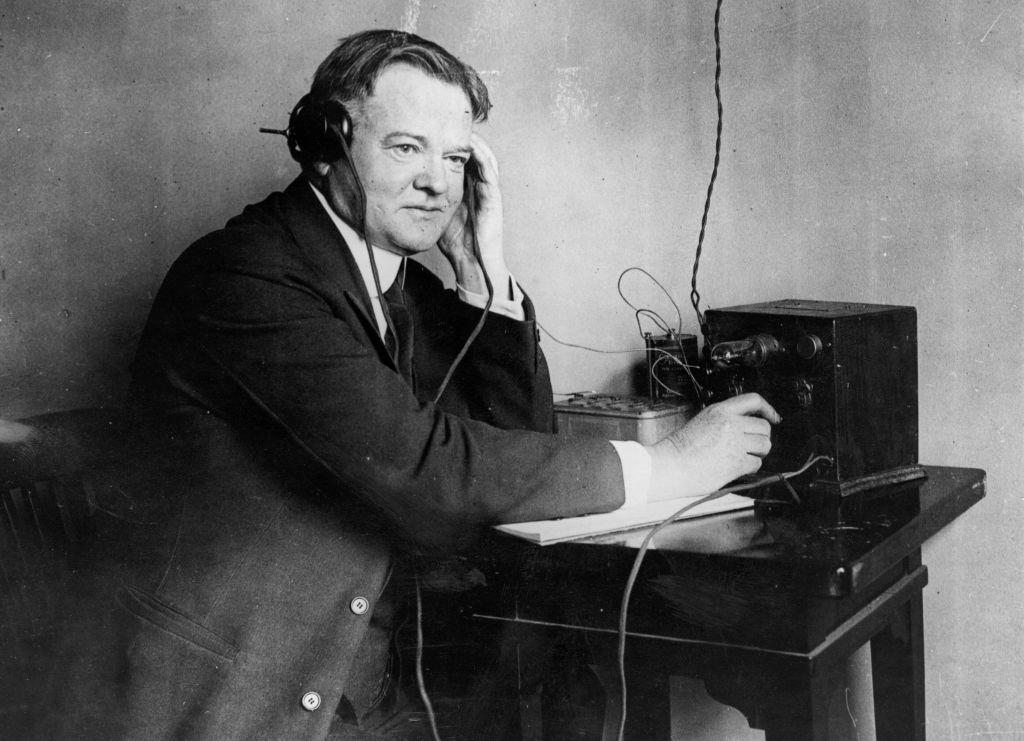
During the 1928 presidential campaign, Hoover promised to raise prices on agricultural imports.
However, as soon as he took office, U.S. farmers and other business leaders began lobbying the government for protective measures for local agriculture.
The Smoot-Hawley Act was introduced to Congress in May 1929, and on June 17, 1930, President Hoover signed it into law.
The tariff increases affected a wide range of imports: eggs, clothing, oil barrels, and sugar.
Calculating the exact percentage of the tax increase is difficult because it depended on the volume or weight of the product, but economists estimate the hikes ranged from 15% to 60%.
Consequences
In the two years following the implementation of the Smoot-Hawley Act, U.S. imports and exports fell by about 40%.
Canada and Europe retaliated by raising tariffs on U.S. products.
By 1932, U.S. foreign product sales dropped from $7 billion to $2.5 billion, according to the CFI.
And if that weren’t enough, some banks began to collapse, global trade declined by about 65%, according to some data. This situation pushed the world economy to a critical point.
It’s unclear how this new chapter of trade war between the U.S. and its major trading partners will end, but recent studies suggest that tariffs will hurt GDP and fuel inflation in the countries involved.
Tariffs imposed by Trump during his first term not only affected foreign companies but also harmed local businesses and American consumers themselves, according to several academic studies.
Far from enriching them, families had to pay higher prices. And the tax revenue from tariffs was very low compared to what the government collects through individual and corporate taxes.
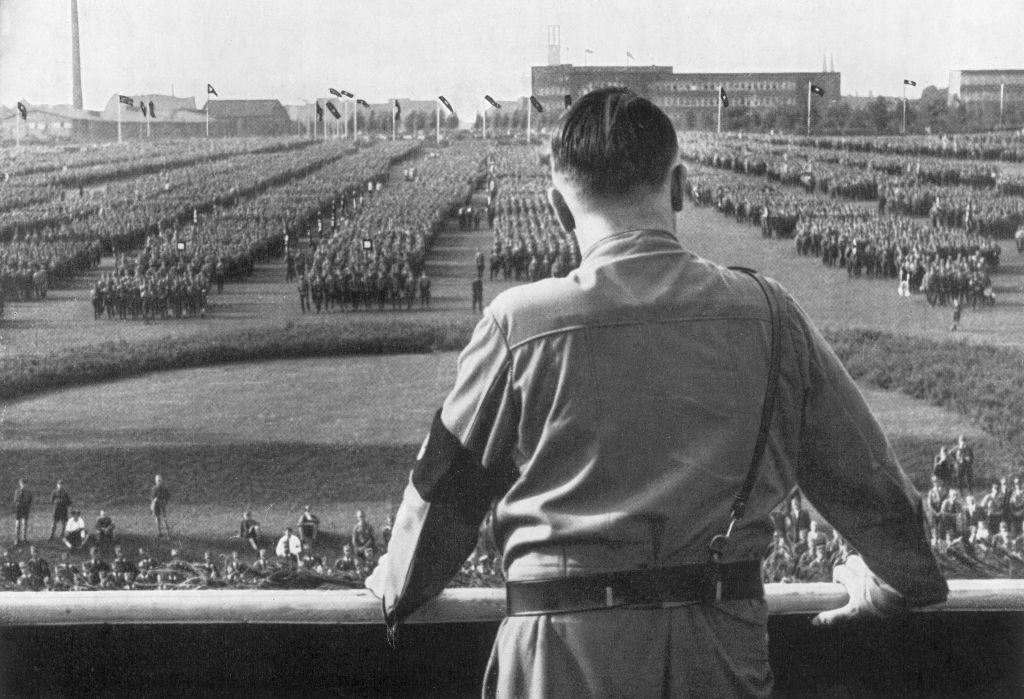
Image: DiarioNY





