
Canada imposed retaliatory tariffs on $20 billion in U.S. products. Learn which products are affected and how this trade war is triggering a crisis in Florida’s tourism and economy.
- Canada imposed retaliatory tariffs on $20 billion in U.S. products. Learn which products are affected and how this trade war is triggering a crisis in Florida’s tourism and economy.
- Which products are affected?
- The collapse of Canadian tourism: A devastating blow to Florida
- What is driving Canadians away?
The trade war between the United States and its northern ally has reached a new level of tension. This Tuesday, September 8, 2026, Canada officially activated new tariffs targeting approximately $20 billion in U.S. imports [cite: 1.1.1]. The measure was described by Canadian Prime Minister Mark Carney as a response from a country that finds itself “at war” economically with its southern neighbor.

For Florida, this diplomatic and trade conflict is not a distant problem in Washington, but a crisis already directly impacting its exports, jobs, and, above all, its main economic driver: tourism.
Which products are affected?
The list of U.S. products penalized by the Canadian government spans a wide range of productive sectors. Among the goods now facing these retaliatory tariffs are:
- Clothing and apparel.
- Cheeses and dairy products.
- Metal parts and wood products.
- Cosmetics and outdoor activity equipment.
The direct impact on Florida’s products: The state is not exempt from these sanctions. Canadian tariffs have specifically targeted the local fishing industry, imposing retaliatory duties on seafood exports from Florida, as well as those from Alaska and Massachusetts.
The collapse of Canadian tourism: A devastating blow to Florida
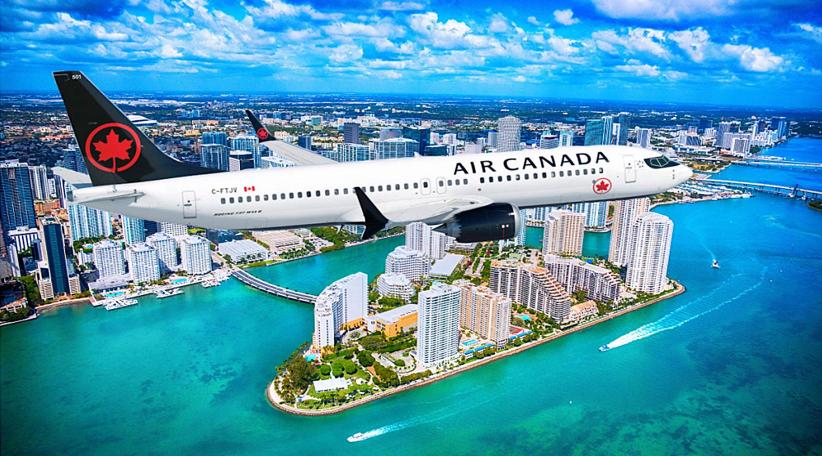
Beyond exports, the real damage to Florida’s economy lies in the drastic drop in tourism from Canada. Historically, Canadian visitors injected between $38 billion and $42 billion annually into the state [cite: 2.2.1]. However, growing hostility and the trade war have turned this historic tourism relationship into massive collateral damage.

This crisis has manifested through alarming figures for the state:
- Sustained drop in visitors: During the first six months of 2026, the number of Canadian tourists in Florida plummeted 13.9% compared to the same period the previous year, totaling only 1.68 million travelers.
- Impact on employment and the local economy: The withdrawal of the Canadian market has contributed to the loss of approximately 280,000 tourism-related jobs in Florida and has wiped out over $52 billion from the state’s economy.
- Capital flight: It is estimated that between $27 billion and $30 billion that previously flowed into Florida has been redirected to other destinations in the last 18 months, as Canadians seek alternatives for vacations and investments.
What is driving Canadians away?
The drastic reduction of so-called “snowbirds” (winter tourists) is not solely due to inflation, but to a deep rejection of Washington’s trade policies and rhetoric. Recent reports indicate strong aversion among Canadians toward repeated comments by President Donald Trump, who has gone so far as to refer to Canada as the “51st state.”
This combination of aggressive rhetoric and tariff threats has sparked an unofficial boycott, prompting Canadian tourists to cancel their reservations and flights to Florida in favor of alternative destinations in Europe, Mexico, and the Caribbean [cite: 2.2.1]. As the peak winter season approaches, Florida’s economy faces the monumental challenge of surviving without its most valuable international visitor.