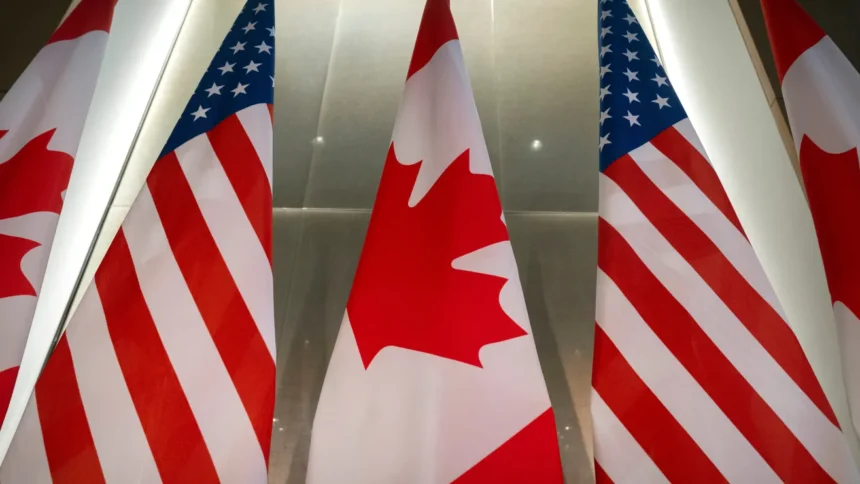
If you thought free trade agreements in North America were an unbreakable structure, recent events at the northern border prove otherwise. The truth is that economic frictions between Washington and Ottawa haven’t emerged out of nowhere; they’ve been building for years beneath the surface of agricultural disputes, cross-border protectionism, and deep disagreements over how regional trade should function. The latest trigger came with explosive statements on social media, where President Donald Trump openly criticized the Canadian government after the collapse of bilateral talks.
- The anatomy of the conflict: Why agriculture is the eternal trade headache
- 1. The shield of Canada’s dairy and poultry market
- 2. The collapse of the negotiating tables and Ottawa’s counterattack
- Table: A snapshot of the economic clash — Washington vs. Ottawa
- Practical guide: How this trade war impacts consumers and the local economy
The president claimed that Canada has for years sought “the benefits of being a state without being one,” while denouncing the heavy tariffs U.S. agricultural producers face when trying to enter the northern market. What’s behind this new tariff battle, and why has agriculture become the main minefield? Let’s break it down in depth.

The pulse of the trade crisis (Snippet Bait): After the failure of last-minute negotiations between Washington and Ottawa, President Donald Trump issued a harsh warning against Canada, accusing the neighboring country of imposing “enormous tariffs” and unfairly blocking U.S. farmers and ranchers for years. The U.S. administration’s response included imposing 50% tariffs on roughly $20 billion worth of Canadian products, sparking a full-blown trade conflict that threatens to escalate with tit-for-tat tariffs starting in September.
The anatomy of the conflict: Why agriculture is the eternal trade headache
To understand the White House’s anger, you have to take a close look at the rules protecting Canada’s primary sector, particularly the system known as supply management.
1. The shield of Canada’s dairy and poultry market
For decades, U.S. farmers—especially dairy, poultry, and egg producers in border states like Wisconsin, New York, and Vermont—have looked north with frustration.
- The wall of quotas and punitive tariffs: Canada fiercely protects its domestic production through a system that sets strict production quotas and applies extremely high tariffs (often exceeding 200%) on any imports that exceed the established limits.
- The uncomfortable truth: While trade agreements like the USMCA (created to replace the old NAFTA) promised a more balanced free market, non-tariff barriers and selective tariffs on the agricultural sector have remained a thorn in the side of U.S. negotiators.
2. The collapse of the negotiating tables and Ottawa’s counterattack
The tension escalated irreversibly when negotiating teams from both countries broke ranks.
- Canada’s stance: Canadian leadership, led by Prime Minister Mark Carney, called Washington’s demands unacceptable and claimed they aimed to undermine national sovereignty and industry, announcing direct “dollar-for-dollar” retaliatory measures set to take effect in early September.
- The scope of the sanctions: The new 50% U.S. tariffs target key sectors of the Canadian economy, but the political backdrop continues to revolve around the long-standing demand to open agricultural markets to U.S. products.
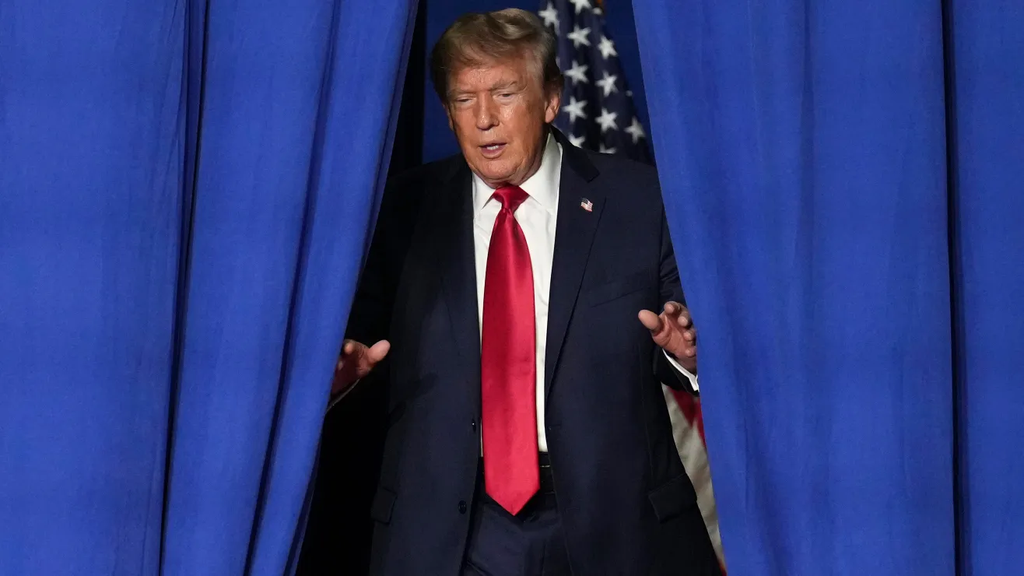
Table: A snapshot of the economic clash — Washington vs. Ottawa
To precisely visualize what’s at stake in this new tariff dispute, we contrast the key points of friction:

| Dispute Axis | U.S. Perspective (White House) | Canada’s Perspective (Ottawa) |
| Agricultural Access | Accuses Canada of maintaining massive and unfair tariffs against U.S. farmers. | Defends its supply management system to protect the stability of local producers. |
| Punitive Measures | Imposition of up to 50% tariffs on billions of dollars’ worth of Canadian goods. | Announcement of equivalent “dollar-for-dollar” retaliatory tariffs and countermeasures. |
| Future of the USMCA | Demands deep concessions and a review of rules ahead of the treaty’s upcoming review. | Seeks to shield its manufacturing industry and rejects pressure on its trade sovereignty. |
Practical guide: How this trade war impacts consumers and the local economy
When two economic giants clash, the ripple effects inevitably reach the average citizen’s wallet. Follow these key points to understand how it affects you:
1. Will grocery prices rise?: The spike in supply chain costs.
While the disputes initially focus on industrial products, lumber, and dairy, a prolonged tariff war drives up operational costs for importers and distributors. This often translates into higher prices for consumers ahead of peak shopping seasons.
2. The exporters’ and importers’ dilemma: Uncertainty for small and medium-sized businesses.

Binational businesses that rely on the smooth flow of goods across borders are recalculating inventories and profit margins. The lack of legal certainty discourages new investments on both sides of the border.
3. Where to find reliable information: Official monitoring of tariff policies.
For business owners and citizens interested in tracking tariff changes and foreign trade resolutions, authoritative sources include public reports from the Office of the United States Trade Representative and official statements from Global Affairs Canada.
The truth is that the trade relationship between the United States and Canada is entering a phase of maximum volatility. For our community, understanding these macroeconomic shifts is vital to anticipating changes in the cost of living and the binational labor market.
Image: ElHispanoParaTodos/PRESS