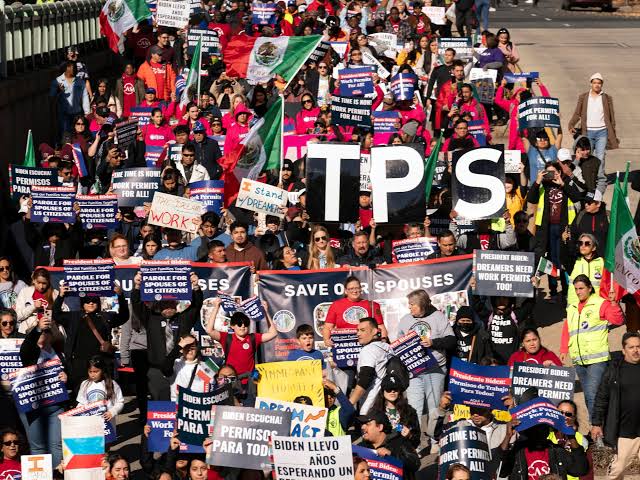
If you’ve been living with the fear of losing your employment authorization document (EAD) due to recent administrative changes by U.S. Citizenship and Immigration Services (USCIS), this news may come as a relief. The truth is, for hundreds of thousands of asylum seekers and Temporary Protected Status (TPS) beneficiaries, a work permit isn’t just another document—it’s the key to daily survival in this country.
When a federal court steps in to halt restrictive policies by a federal agency, the underlying message is clear: the rules of the game can’t be changed midstream in a way that disproportionately affects those who have already placed their trust in the system. But what does this court ruling mean for your specific case? Let’s get to the point.

The immediate operational impact (Snippet Bait): A federal judge has issued a temporary block on USCIS guidelines that sought to toughen and shorten the validity and renewal of work permits tied to pending asylum and TPS cases. This court order means current applicants temporarily retain prior protections, preventing mass layoffs and the abrupt loss of work eligibility while litigation continues in the courts.
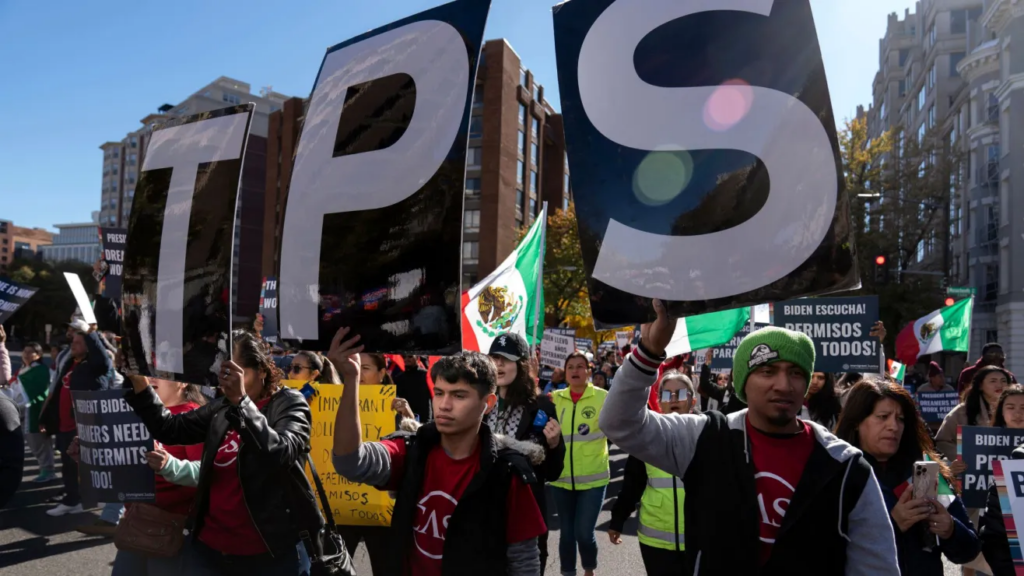
The anatomy of the ruling: Why did the court intervene?
To understand the significance of this legal victory, we need to look at what USCIS was trying to implement. The agency sought to accelerate cancellations and create nearly insurmountable bureaucratic hurdles for issuing and renewing employment authorization documents (EADs).
1. The financial blow that was avoided
USCIS’s measures would have left essential workers, who have been paying taxes, buying homes, and building community lives for years, in legal limbo.
- The domino effect: Losing a work permit doesn’t just affect the individual; it destabilizes entire industries—like construction, hospitality, and services—that rely on this workforce.
- The judge’s legal basis: The court determined that the federal agency acted beyond its regulatory authority and failed to follow proper procedures for public notice and comment as required by federal administrative law. In short: they tried to bypass the basic rights of those affected.
2. Who exactly does this decision protect?
This is not an amnesty or a path to permanent residency. This judicial block directly impacts two specific groups:
- Asylum seekers: Those who fled persecution in their home countries and whose cases remain stuck in immigration courts or USCIS asylum offices.
- TPS beneficiaries: Citizens of countries designated for temporary protection who needed to renew their work authorization without facing the new, stricter exclusion requirements.
Impact Table: Before and After the Court Ruling
To clearly see what changes as a result of this ruling, we’ve structured the following comparison:

| Key Criterion | USCIS Restrictive Proposal (Blocked) | Current Situation After Court Ruling |
| EAD Validity | Drastic reduction in validity periods (forcing costly and frequent renewals). | Previous validity periods remain in place (in many cases up to 2 or 5 years depending on the category). |
| Eligibility Criteria | Inclusion of new automatic exclusion clauses for minor administrative errors. | Automatic exclusions suspended; case-by-case review prevails. |
| Renewal Process | Bureaucratic hurdles and presumption of denial if asylum processing was delayed. | Renewal applications continue under the previous standard parameters. |
| Job Stability | High risk of imminent layoffs for hundreds of thousands of workers. | Temporary protection: Employers can retain their legally authorized workers. |
Practical Guide: How to Protect Your Job and Status Now
While this judicial block is excellent news, the legal battle is far from over. The government will appeal, and the timeline remains unpredictable. Here’s how you should act to avoid being caught off guard.
1. Check your EAD expiration date: Verify your documentation.
Don’t wait until the last month to act. Even though the judge has blocked the changes, USCIS processing times remain slow. File your renewal application (Form I-765) within the allowed timeframe (usually 180 days before expiration).
2. The law is on your side (for now): Communicate with your employer.
If your employer has doubts about your status due to recent news, show them the court order or refer them to a legal advisor. Under this ruling, your work authorization remains fully valid, and they cannot fire you for immigration-related reasons based on the blocked rule.

3. Avoid scammers: Beware of fraud.
Whenever there’s major immigration news, scammers and unlicensed “notarios” come out to prey on the unsuspecting, promising “automatic permanent permits.” No court order grants automatic residency. Consult only attorneys certified by AILA (American Immigration Lawyers Association) or organizations accredited by the DOJ.
The truth is, the path for immigrants in the United States is paved with constant twists and legal obstacles. This court decision shows that the rights of workers and those seeking international protection can still be defended in the courts. However, the best defense remains accurate information, advance preparation, and strict adherence to deadlines. We will continue to closely monitor the development of this case in the federal courts to bring you every update without detours or false expectations.
Image: ElHispanoParaTodos/PRESS