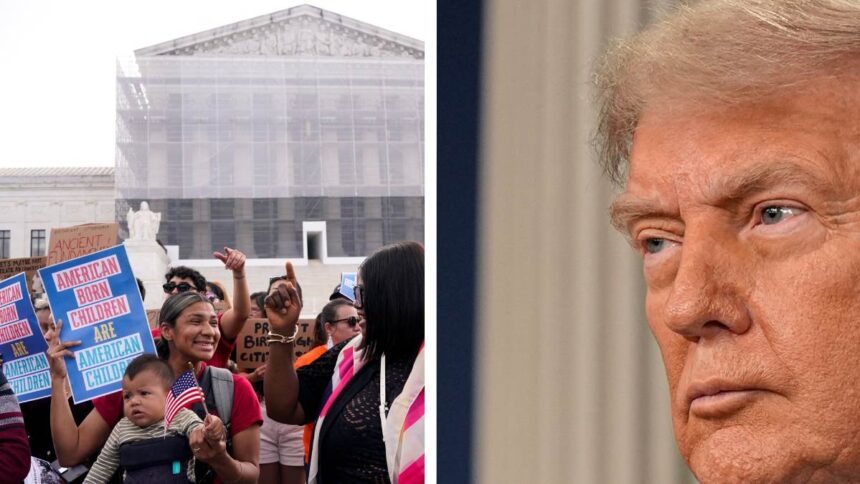
If you’ve had children on U.S. soil, you likely grew up with the absolute certainty that the birth certificate issued at the hospital guaranteed an automatic and unbreakable right to American citizenship, protected by the historic 14th Amendment. The truth is, for millions of immigrant families, this right has historically been the dividing line between the certainty of legal belonging in the country and the permanent specter of exclusion.
- The Anatomy of the Litigation: Why Did the Court Block the Presidential Order?
- 1. The Executive Overreach Against the Constitution
- 2. Operational Impact: End of Restrictions at Consular Offices
- Table: Breakdown of the Judicial Conflict — The Plan vs. the Ruling
- Practical Guide: How to Protect Your Children’s Documentation Amid Legal Uncertainty
However, the White House’s recent maneuvers to reinterpret the law and condition the issuance of passports and citizenship records for children of undocumented parents set off alarms across the judicial system. The response was swift: a federal court issued a preliminary injunction that temporarily halts the government’s executive directives. What exactly does this ruling say, why does it represent an insurmountable obstacle for the administration’s goals, and how does it protect families today? Let’s break it down thoroughly.

The Judicial Block (Snippet Bait): A federal court issued a preliminary injunction blocking the Trump administration’s directive aimed at restricting birthright citizenship. The judge determined that the executive branch lacks constitutional authority to modify the scope of the 14th Amendment through administrative orders, fully upholding the automatic right to citizenship for all children born on U.S. soil.
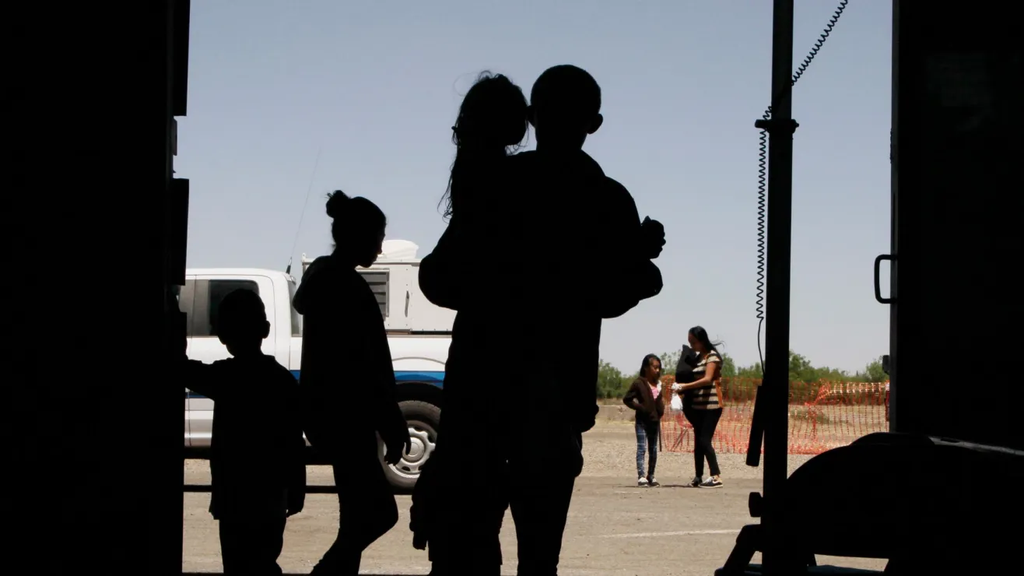
The Anatomy of the Litigation: Why Did the Court Block the Presidential Order?
To understand the background of this ruling, we must examine the head-on collision between the Executive’s intentions and the rigidity of U.S. constitutional doctrine.
1. The Executive Overreach Against the Constitution
The administration’s strategy did not involve attempting a constitutional amendment in Congress—a highly complex legislative path with unlikely approval—but instead relied on internal memoranda and orders to agencies like the State Department.
- Reinterpreting the phrase “subject to its jurisdiction”: The government argued that children of individuals without legal immigration status or with temporary visas did not meet the historic requirement of being fully under U.S. jurisdiction at birth.
- The Court’s Rebuke: Federal judges noted that Supreme Court precedents, established since the landmark United States v. Wong Kim Ark case in 1898, unequivocally state that any child born on U.S. territory acquires citizenship by birthright, regardless of their parents’ legal status. Attempting to modify this doctrine through an executive memorandum directly violates the principle of separation of powers.
2. Operational Impact: End of Restrictions at Consular Offices
Thanks to this judicial block, agencies responsible for issuing passports and civil identity documents cannot implement the parental immigration status audits required by the White House directive.
- The Uncomfortable Truth: While the ruling represents a crucial victory for civil rights defense, legal experts warn that this battle is just beginning. The administration will almost certainly appeal the decision, gradually escalating the case to the Supreme Court, where the definitive future of this constitutional guarantee will be decided.
Table: Breakdown of the Judicial Conflict — The Plan vs. the Ruling
To visualize the points of friction and the effects of this ruling, we contrast the key elements of the process:

| Conflict Axis | Trump Administration’s Position | Federal Court Ruling |
| Legal Mechanism | Executive orders and administrative directives to the State Department. | Preliminary injunction suspending the measure. |
| Policy Basis | Exclude children of undocumented parents from the scope of the 14th Amendment. | Reaffirm the historic precedent that being born in the U.S. grants automatic citizenship. |
| Immediate Effect | Modify requirements for processing passports for minors. | Maintain regular procedures without requiring proof of parents’ status. |
Practical Guide: How to Protect Your Children’s Documentation Amid Legal Uncertainty
Although the court has upheld the right to birthright citizenship, it’s completely normal for families to feel uneasy amid constant political noise. Follow these foolproof steps:
1. Keep the Birth Certificate and Social Security Card: Secure and safeguard your children’s vital documents.
The fundamental document that protects a minor’s citizenship born in the U.S. is their official county-issued birth certificate (Birth Certificate) and their Social Security card. Store the originals in a safe place and obtain additional certified copies for any school or medical procedures.

2. Don’t Delay Obtaining Identity Documents: Process passports as usual.
Since the court ruling keeps the government’s intended restrictions on hold, passport offices operate under standard requirements. If you need to process a passport for your minor child, do so through authorized official channels without fear of extraordinary audits regarding your own immigration status.
3. Where to Check Legal Updates Without Falling for Scams: Stay informed through reliable sources and legal advice.
Legal battles will continue in appellate courts. Avoid being alarmed by social media rumors and consult legal updates from organizations with proven track records like the American Civil Liberties Union (ACLU) or neutral coverage from Associated Press.
The truth is that the constitutional pillars of our nation are designed to withstand temporary political pressures through a system of judicial checks and balances. For our Hispanic community, this judicial block is a clear sign that respect for due process and the law continues to operate in defense of families.
Image: ElHispanoParaTodos/PRESS