
If you’ve been closely following processes with U.S. Citizenship and Immigration Services (USCIS), you know that “public charge” has long been a sword of Damocles hanging over the heads of millions of immigrants. The recent decision to end the rule established by the Biden administration and implement new criteria is not just a technical adjustment—it’s a philosophical shift in who is considered “fit” to reside in this country.
For the Hispanic community, the term “public charge” has always evoked a visceral fear—the dread that receiving food assistance or a tax credit could shatter the dream of a Green Card. But what does this change really mean? Are we facing a closing door, or just a new kind of lock?

Immediate operational impact (Snippet Bait): With the end of the Biden-era public charge rule, USCIS has activated new immigration criteria that shift the focus from social assistance to a holistic assessment of the applicant’s economic self-sufficiency. This means immigration officers will have greater discretion to evaluate financial history, employment capacity, and use of public benefits, raising the burden of proof for those seeking permanent residency.
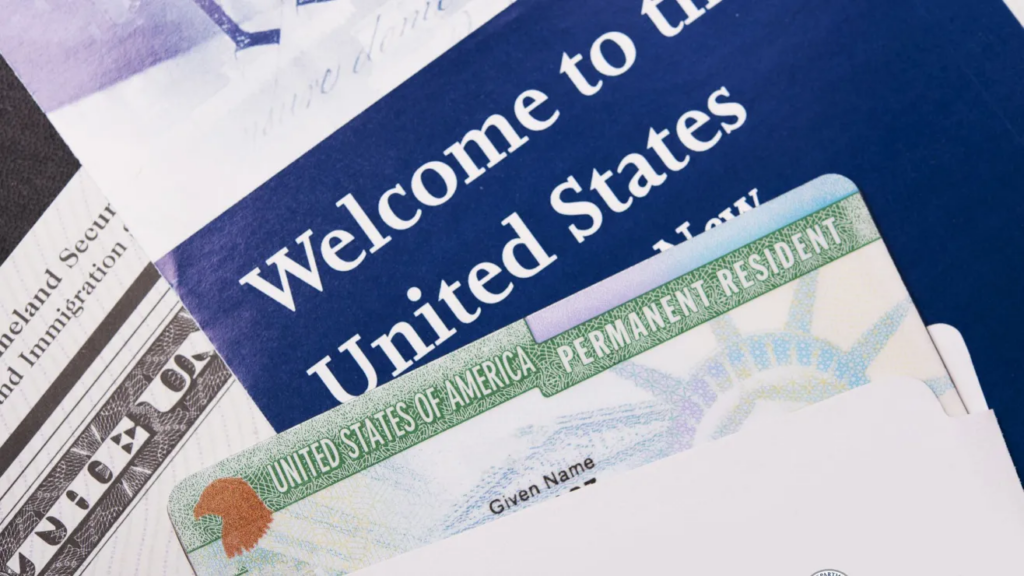
The Anatomy of the Change: From Political to Technical
When we hear that policies are being eliminated, we often think of “ease.” In immigration, the opposite is frequently true. The administration has decided that self-sufficiency is the central pillar of the new process.
1. The End of the Limited Approach
The Biden rule sought to protect immigrants by ensuring that receiving basic assistance (such as food stamps or public medical aid) was not seen as a stain on their record. By eliminating this, we return to a landscape where the officer’s discretion takes center stage again.
2. What Are Officers Looking for Now?
USCIS will not just look at your gross income. The new “applicant profile” is based on:
- Savings and assets: Do you have savings that could sustain you in an emergency without turning to the government?
- Employment history: Job stability is prioritized over temporary income.
- Private health insurance: Dependence on government coverage is (indirectly) penalized, favoring those with private health plans.
Risk Table: The New Criteria Under the Microscope
To help you understand which factors could jeopardize your application, we’ve broken down the new reality:

| Factor | Evaluation Under Biden | New USCIS Evaluation | Risk to Applicant |
| Use of Benefits | Protected/Ignored | Significant negative factors | High |
| Income | Minimum threshold (Poverty Guidelines) | Analysis of future stability | Moderate/High |
| Education/Skills | Not determinative | Key positive factor | Low (Benefits the profile) |
| Sponsors | Basic “Affidavit of Support” | Thorough solvency review | Moderate |
Practical Guide: How to Strengthen Your Case Before USCIS
You can’t change the law, but you can prepare an ironclad application. Here’s how to navigate this new landscape without panic.
1. Build a success narrative: Financial documentation.
Don’t just submit your tax returns. Include letters of employment recommendation, technical study certificates, and a projection of your expenses versus income. You must demonstrate to the officer that you are an asset to the economy, not a burden.
2. Don’t hide past benefits: Honesty is your safeguard.
If you received any public benefits in the past, disclose it. USCIS already has access to that information. It’s better for you to explain why it was a temporary necessity and how your situation has changed than for the officer to discover it on their own and assume fraudulent intent.

3. Is it worth the risk?: Straightforward legal advice.
This is not the time for “DIY” applications or following friends’ advice. If you have doubts about your status under this new rule, a consultation with a certified immigration attorney could make the difference between approval and a permanent denial.
The truth is that the system is always evolving. These new criteria aim to filter out those the government considers financially dependent, but let’s not forget that the affidavit of support (sponsorship) remains a powerful legal tool. Don’t be swayed by unfounded fear in social media groups; USCIS evaluates each case as a whole. If you’ve worked hard, paid your taxes, and have a solid economic foundation, these changes are an obstacle, not an insurmountable barrier. We will continue monitoring every USCIS update to bring you the facts, unfiltered.
image: ElHispanoParaTodos/PRESS