2026 has proven to be one of the most turbulent periods in recent times in terms of seismic activity. From South America to Southeast Asia, a series of high-magnitude earthquakes has left thousands of victims and massive infrastructural damage in its wake, serving as a stark reminder of nature’s immense and unpredictable force.
The Worst Earthquakes of 2026: Devastation and Victims
So far this year, the Earth has recorded dozens of earthquakes, but the concentration of quakes above magnitude 7 has been notable. These have been the most destructive to date:

| Country | Date | Magnitude (Mw) | Fatalities | Main Impact |
| Venezuela | June 24 | 7.2 and 7.5 | +6,400 | Two massive earthquakes on the same day with epicenters offshore near La Guaira and Yaracuy caused the worst tragedy of the year. |
| Colombia | August 10 | 7.4 | +294 | Epicenter in Chocó. Widespread destruction in cities like Pereira and Quibdó, with dozens of buildings collapsed. |
| Philippines | June 7 | 7.8 | +100 | The strongest earthquake of the year in terms of magnitude, off the coast of Mindanao. |
| Indonesia | August 14 | 7.7 | +68 | Struck the islands of Nusa Tenggara and Flores, displacing thousands and damaging critical infrastructure. |
Is There an Explanation for This Wave of Earthquakes?
The succession of massive earthquakes in Japan, Venezuela, Colombia, and Indonesia within weeks has raised alarms. The scientific community is currently debating two main perspectives on this activity:
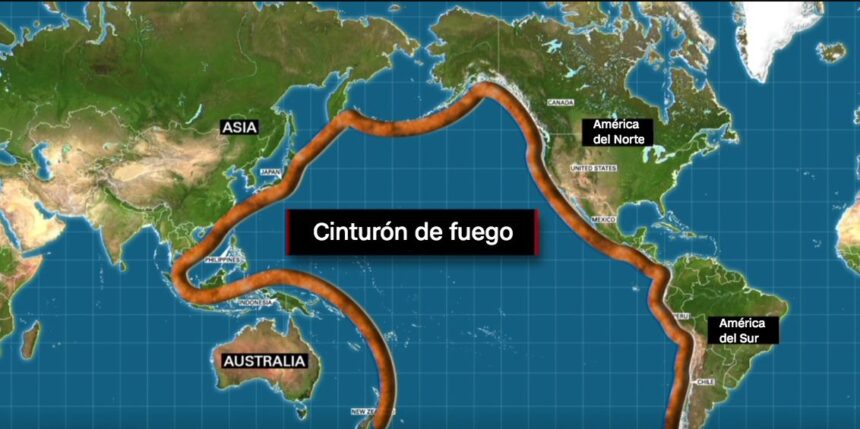
- The “Domino Effect” of the Ring of Fire: Some geoscientists suggest that the massive 8.8-magnitude earthquake that struck the Kamchatka Peninsula (Russia) in July 2025 may have destabilized tectonic faults along the Pacific Ring of Fire. This accumulated tension would be releasing through earthquakes and underwater volcanic eruptions.
- Normal Geological Statistics: On the other hand, seismologists from the U.S. Geological Survey (USGS) note that, on average, the planet experiences between 15 and 18 earthquakes of magnitude 7.0 to 7.9 each year. From this perspective, while the 2026 earthquakes have struck highly populated areas, the total number of quakes falls within expected statistical margins.
What Is the Ring of Fire and Why Does It Cause Earthquakes in the Pacific?
The Pacific Ring of Fire is a horseshoe-shaped chain spanning 40,000 kilometers that concentrates 90% of the world’s earthquakes and 75% of the planet’s active volcanoes. This region generates massive earthquakes due to the constant movement and collision of tectonic plates that form the Pacific Ocean floor.
Why It Causes Earthquakes
The extreme seismic activity in this belt is explained by three main geological processes:
- Subduction Zones: Oceanic plates, being heavier, slide and sink beneath continental plates.
- Tension Buildup: Rocks locked between plates accumulate colossal energy over decades or centuries.
- Sudden Release: When the rock finally breaks or unlocks, it releases that accumulated energy in the form of a powerful earthquake. [1, 2, 3, 4]
Main Plates Involved

The constant movement occurs primarily through the interaction of these major structures of the Earth’s crust: [1]
- Pacific Plate: The largest oceanic plate, pushing against nearly all its edges.
- Nazca Plate and Cocos Plate: Responsible for high seismicity in Central and South America.
- North American Plate: Generates lateral friction in famous faults like the San Andreas.
- Philippine and Indo-Australian Plates: Cause intense earthquakes in Southeast Asia and Oceania. [1, 2, 3]
How to Prepare and Survive
An earthquake gives no warning. The difference between becoming a statistic or surviving lies entirely in prior preparation and the ability to react in the first few seconds.
To maximize your chances of survival, implement these steps today:

1. Prepare the 72-Hour Backpack: It should always be near the exit door.
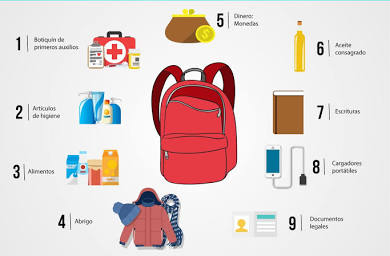
Your emergency kit should include: a first-aid kit, flashlight with extra batteries, portable radio, whistle, bottled water, non-perishable food, copies of your ID documents in a waterproof bag, and portable cell phone chargers.
2. Identify Safe Zones:
In your home and workplace, locate the main columns and load-bearing walls. Always stay away from windows, mirrors, bookshelves, and heavy objects that could fall.
3. Apply the Protocol: Drop, Cover, and Hold On: During the earthquake.
When the ground starts shaking, drop onto your hands and knees. Cover your head and neck by getting under a sturdy desk or table. Hold on to your shelter and move with it if it shifts. Do not try to run outside while the building is shaking.
4. Shut Off Utilities: After the earthquake.
If you smell gas or hear a hissing sound, open a window and leave quickly. Turn off the main gas valve and disconnect electricity at the main fuse box if there is damage to the wires.
The golden rule: In massive emergencies like those experienced this year in Venezuela or Colombia, rescue services will take days to reach all those affected. Your goal should be to sustain your life and that of your family independently for at least 72 hours.