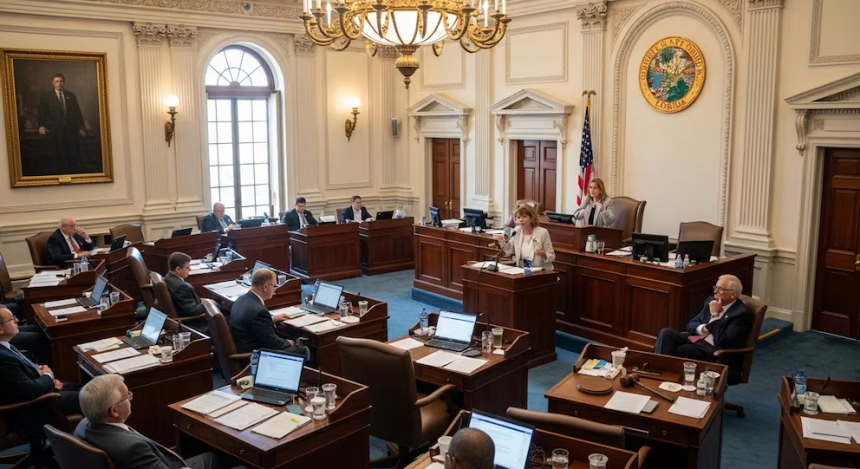
Florida’s Legislature has just approved a package of measures to radically overhaul the state’s tax system. Governor Ron DeSantis called a special legislative session in which the state Congress gave the green light to a proposal for a constitutional amendment to massively cut property taxes.
Since this is a state constitutional reform, the final decision does not rest with politicians but will go to a referendum on November 3, 2026. To become law, it will require the approval of a 60% supermajority of voters.

Below are the key points of this proposal, who it benefits, and the controversy behind it:
What does the property tax cut proposal entail?
The amendment seeks to aggressively expand the Homestead Exemption for the state’s permanent residents, focusing on the portion of taxes not directed toward the school budget.
- Gradual increase in the exemption: The property tax exemption for “non-school” services (such as counties and municipalities) would rise from the current limit of $25,000 to $150,000 in 2027, and jump to $250,000 in 2028.
- Inflation adjustment: Starting in 2029, this amount would be adjusted annually according to the Consumer Price Index (CPI).
- Local spending restrictions: To prevent cities and counties from offsetting the revenue loss by overspending in other areas, the amendment imposes strict limits. Local governments would only be able to spend the revenue from this tax on essential services such as public safety (police and fire), education, infrastructure, flood control, and employee retirement benefits.
💡 A practical example: If you own a home with a Homestead exemption and its taxable value is $300,000, under current law you only subtract $50,000 to calculate your tax. If the amendment is approved in 2028, you would subtract $250,000 from the non-school portion, paying taxes on a minimal fraction of your property. If your home is worth $250,000 or less, your bill for this portion could be practically zero.
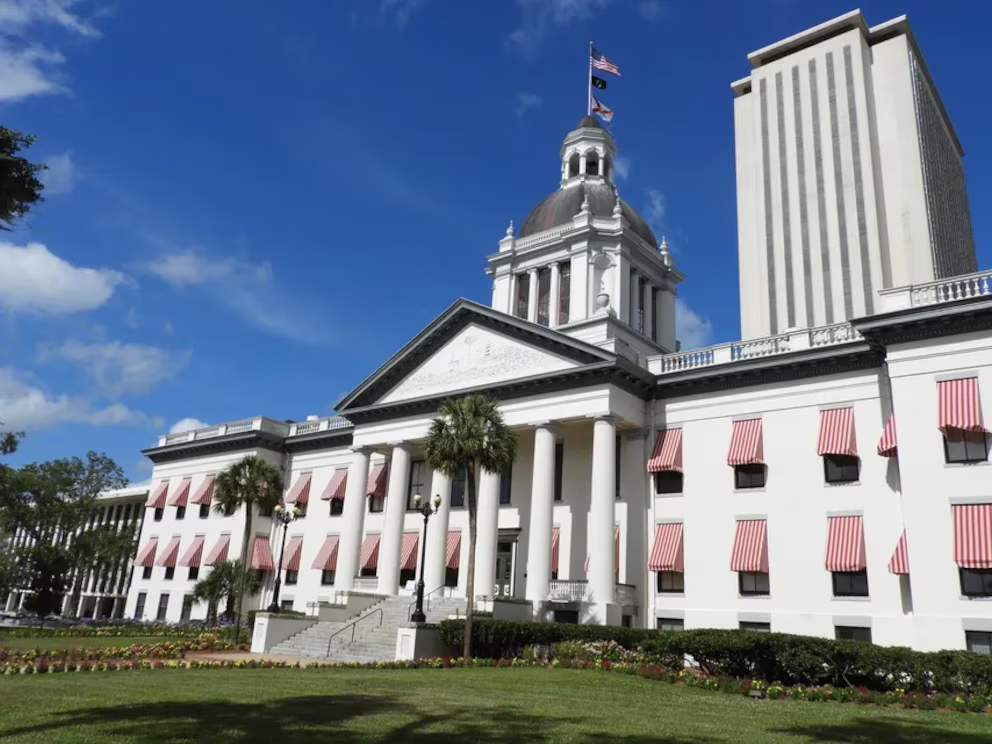
Beneficiaries vs. Excluded: The Fine Print
The measure promises significant relief for many, but it does not apply equally across the entire real estate market:
| Group | Does it benefit? | How does it affect them? |
| Permanent Residents (Homestead) | YES | This is the directly benefited group. They will see a historic reduction in their annual tax bills and monthly mortgage payments (escrow). |
| Investors and Second Homes | NO | The measure explicitly excludes investment properties, vacation homes, and commercial properties. In fact, experts warn that counties could raise taxes on these properties to cover the budget gap. |
| Renters | Debated | The government argues that lowering homeowners’ costs will reduce pressure on rents. However, economists note that since multifamily and investment properties are excluded, relief will not automatically reach tenants. |
🗣️ The Debate: Why Does It Generate So Much Controversy?
Supporters of the measure (led by the governor and the Republican majority) argue that it is an act of financial justice at a time when the cost of living and home insurance in Florida have skyrocketed. They contend that money is better spent in the hands of citizens than in government coffers.

On the other hand, opponents—including mayors and local districts—warn that this measure will create a multi-billion-dollar annual hole in local revenues. With a drastic reduction in collections, they fear counties will be forced to cut unprotected public services (such as parks, libraries, and road maintenance) or sharply increase fees for utilities, garbage collection, and licenses to offset the loss.