Access to mortgages in the United States has undergone significant changes in 2026 due to stricter credit policies and financial due diligence regulations.
The financial landscape for the immigrant community in the United States is experiencing major shifts. The recent executive order signed by the Donald Trump administration instructs federal agencies and financial regulators to tighten controls on the immigration status of clients in the banking system.

This measure directly aims to limit undocumented individuals’ access to credit products, including mortgage loans.
If you are considering buying a property or refinancing, it is crucial to understand how the regulatory landscape has recently tightened.
1. Banks Can Now Legally Consider Your Immigration Status
In January 2026, the Consumer Financial Protection Bureau (CFPB) and the Department of Justice formally withdrew guidance from the previous administration that warned lenders against using immigration status in credit applications.
With this action, the federal government clarified that, under the Equal Credit Opportunity Act (ECOA), lenders and banks are permitted to take into account an applicant’s immigration or residency status. They can now legally use this information to assess the risk level of a loan and ensure they have ways to recover their money if the client stops making payments.

2. “Deportation Risk” as a Factor in Mortgage Approvals
In May 2026, the administration signed Executive Order 14406, focused on protecting the financial system. This order has a direct and severe impact on mortgage origination standards:
- Ability to Pay: The order instructs the CFPB to consider “possible deportation and loss of wages” as legitimate factors that banks must evaluate when determining whether a person has the financial capacity to sustain a long-term mortgage. www.morganlewis.com
- Increased Scrutiny: Regulators are issuing new regulations for banks to identify and manage credit risks associated with individuals who do not have permanent work authorization in the country.
3. Federal Assistance (HUD) and Immediate Data Cross-Checking
For those seeking government assistance for subsidized housing or rentals, the Department of Housing and Urban Development (HUD) issued a strict mandate in early 2026.
Housing authorities are now required to use the EIV-SAVE system (a joint database between HUD and the Department of Homeland Security) to immediately verify the legal status of all household members. Families with mixed status or without provable eligible status face correction or loss of their federal assistance (such as Section 8).


How Does This Affect Your Specific Case?
Financial institutions are rapidly adjusting their internal policies. On a practical level, this is what applicants are facing today:
| Type of Applicant | Impact on Mortgage Applications (2026) |
|---|---|
| Citizens and Residents (Green Card) | Standard process, though they will face stricter identity verification (KYC) and source-of-funds checks. |
| Work Visa Holders | Banks will meticulously evaluate the visa expiration date to determine if the remaining time in the country ensures loan repayment. |
| DACA and TPS Beneficiaries | High difficulty. As temporary statuses, lenders now consider them high-risk under the new “deportation risk and wage loss” regulations. |
| Applicants with ITIN (No SSN) | Severe restrictions. Many banks are pausing or eliminating ITIN mortgage programs due to regulatory pressure to avoid extending credit to populations without work authorization. |
Important Note: The mortgage environment is changing month by month. Before signing any contract, paying for appraisals, or committing funds, it is vital to consult with a loan officer or mortgage advisor who knows exactly which programs remain active and what documentation the bank will require under current regulations.
Recommendations for Your Situation
Given the complexity of the current landscape, if you plan to apply for a mortgage, consider the following:
- Consult with Specialized Lenders: Not all financial institutions apply the same criteria. Some community banks or lenders offering portfolio loans may have different policies than large national banks.
- Flawless Documentation: Ensure all your financial information is clear and verifiable. Transparency is your best tool against the new levels of scrutiny.
- Legal and Financial Advice: Before starting any process involving application fees or appraisals, seek a financial advisor who understands the impact of Executive Order 14406 on your financial institution’s specific policies.
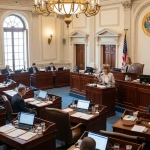
Image: Infobae