


The Florida Supreme Court decided to uphold a 15-week abortion ban in the state while also giving the green light for a proposed amendment to enshrine abortion protections in the state constitution to appear on the November ballot.
The conservative-leaning court’s decision on the 15-week ban also means that a six-week abortion ban, with exceptions for rape, incest, and the life of the mother, which Governor Ron DeSantis signed into law last year, will take effect.

However, the court’s ruling to allow the constitutional amendment on the ballot this fall means voters will have the opportunity in just seven months to overturn those restrictions.

In their ruling on the bans, the justices wrote that, “in accordance with long-standing principles of judicial deference to laws, we conclude there is no basis under the Privacy Clause to invalidate” the 15-week statute.
They added that Planned Parenthood, the plaintiff in the case, “cannot overcome the presumption of constitutionality and cannot demonstrate beyond all reasonable doubt that the 15-week ban is unconstitutional.”
As a result, the justices concluded, “the six-week ban will take effect in thirty days.”

The Florida Supreme Court is also expected to rule on a citizen-initiated amendment to legalize the use, sale, and possession of recreational marijuana by adults.
AMENDMENT 4 ON ABORTION
Amendment 4, known as the Amendment to Limit Government Interference in Abortion, seeks to ensure that abortions remain legal until the fetus is viable.
Currently, abortion is legal in Florida up to 15 weeks of pregnancy, but Governor Ron DeSantis signed a law last year implementing a ban on abortions after six weeks, with exceptions for cases involving rape and/or incest.

The six-week ban had not taken effect after reproductive rights activists gathered enough signatures on a petition to place a citizen-initiated constitutional amendment on the ballot, one of several ways a constitutional amendment can be considered in Florida.
On the ballot, the amendment would read: “No law shall prohibit, penalize, delay, or restrict abortion before viability or when necessary to protect the patient’s health, as determined by the patient’s healthcare provider.”
“This amendment does not change the constitutional authority of the legislature to require notification to a parent or guardian before a minor undergoes an abortion.”
Opponents claim the question is unclear. Anthony Verdugo of the Christian Family Coalition states, “The language of the amendment must be precise, and the language is not precise.”
The group Floridians Protecting Freedom collected and verified nearly one million signatures, surpassing the number required to request that a constitutional amendment on abortion rights be included on the ballot.
Andrea Mercado, executive director of Florida Rising, notes, “More than a million women and people have signed an amendment to put abortion access on the ballot in November.”
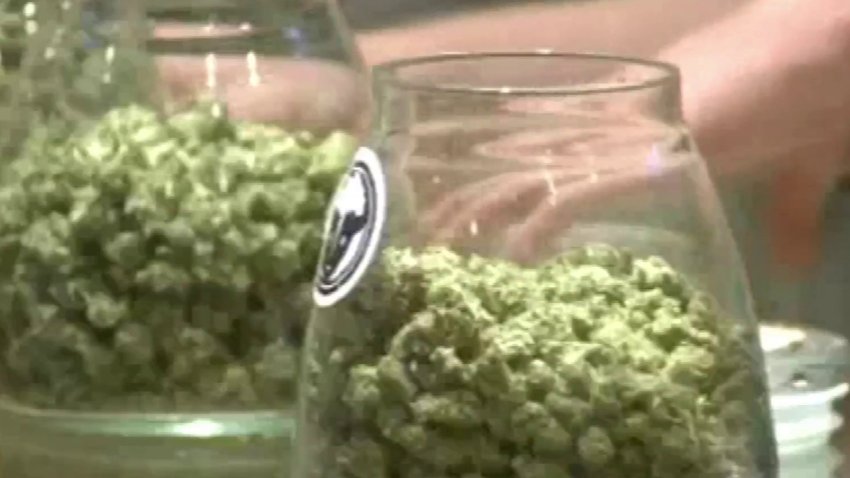
Amendment 3 seeks to legalize the use of marijuana for adults over 21 for recreational purposes.
AMENDMENT 3 ON MARIJUANA
Amendment 3, known as the “Adult Personal Use of Marijuana,” aims to allow adults over 21 to possess, purchase, or use marijuana products and marijuana accessories for non-medical personal consumption, whether by smoking, ingesting, or otherwise.
It would also allow Medical Marijuana Treatment Centers and other state-licensed entities to acquire, cultivate, process, manufacture, sell, and distribute such products and accessories. It applies to Florida law; it does not change or immunize violations of federal law. It sets possession limits for personal use.
If approved by at least 60% of voters in November, starting in May 2025, anyone over 21 could possess three ounces of cannabis (or five grams of marijuana concentrates).
Medical cannabis dispensaries could “acquire, cultivate, process, manufacture, sell, and distribute marijuana products and marijuana accessories to adults for personal use.” (The legislature could approve additional dispensaries in the future.)
To address previous challenges to the proposed ballot language as misleading, this version clarifies that nothing in the proposal “changes federal law.”
Image: Wfla





