Florida’s Department of Transportation (FDOT) has revoked permits for automatic license plate reader (ALPR) cameras. Learn why they were installed and the ongoing privacy debate.
On August 31, 2026, the Florida Department of Transportation (FDOT) issued a memo revoking permits for automatic license plate recognition (ALPR) cameras located on state highway rights-of-way. Local law enforcement agencies now have 30 days to remove the operational devices. This decision has reignited an intense debate pitting law enforcement against civil rights advocates.

How were they used and how did they help solve crimes?
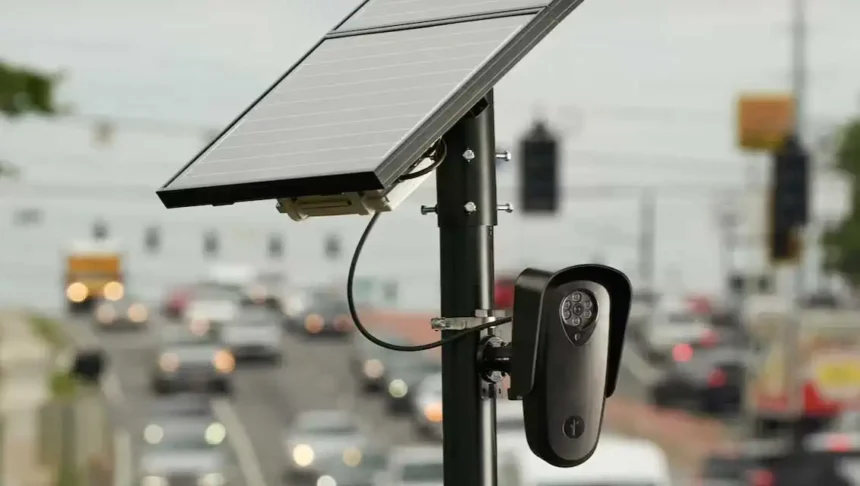
Flock cameras are technological systems designed to capture a vehicle’s license plate, make, model, and color as it travels on a road. For authorities, they have been an invaluable investigative tool for the following reasons:
- Tracking suspects: They allow real-time location of vehicles associated with criminal activity.
- Vehicle recovery: They help identify and recover stolen cars much more quickly.
- Public alerts: They are crucial for the success of Amber or Silver Alerts, enabling the tracking of vehicles carrying missing children or vulnerable adults.
- Homicide resolution: They help connect a suspect’s presence to a crime scene and time.
The discontent: Security or mass surveillance?
Despite law enforcement support, the expansion of Flock cameras sparked strong public opposition. The FDOT’s announcement comes amid growing concerns about privacy and the potential misuse of the technology. The discontent focuses on the following points:
- Surveillance without suspicion: Critics argue that tracking the daily movements of innocent people creates a mass surveillance infrastructure that infringes on the right to privacy.
- Data retention: There are doubts about how long these images are stored, where they are kept, and with which other government or private agencies drivers’ information is shared.
- Lack of regulation: Concerns that collected data could be used for unjustified tracking, discriminatory profiling, or be vulnerable to cyberattacks prompted calls for greater control over state public spaces.
While local police will need to restructure their monitoring strategies outside FDOT’s jurisdiction, the debate over the limits of technology in public spaces remains open.
Do you think collective security should take priority by allowing these tools, or do you believe citizens’ privacy should come before preventive surveillance?