


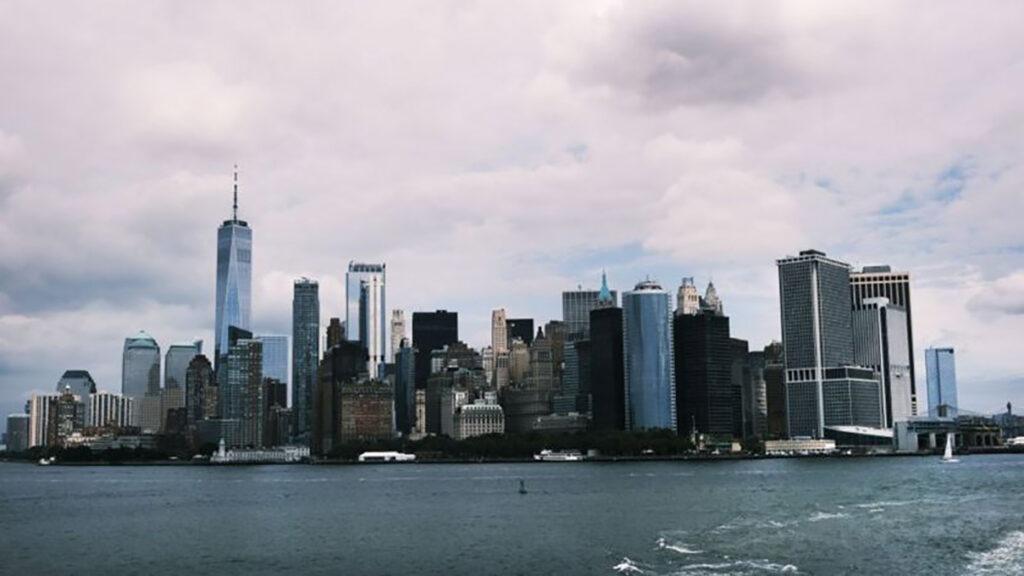
An earthquake shook the densely populated New York City metropolitan area Friday morning , with residents across the Northeast reporting rumbles in a region unaccustomed to them.
The U.S. Geological Survey reported an earthquake at 10:23 a.m. with a preliminary magnitude of 4.8, centered near Whitehouse Station, New Jersey, or about 45 miles west of New York City and 50 miles north of Philadelphia. The agency’s figures indicated the quake may have been felt by more than 42 million people.

People from Baltimore to the Massachusetts-New Hampshire border reported feeling the ground shake.
While there were no immediate reports of major damage, officials were inspecting bridges and other critical infrastructure, Amtrak slowed train speeds across the busy Northeast Corridor, and a Philadelphia-area commuter rail line suspended service out of what it called “an abundance of caution.”
In midtown Manhattan, traffic grew louder as drivers honked their horns on the trembling streets.
Some Brooklyn residents heard a rumble and felt their building shake. Cellphone circuits were overloaded for a time as people tried to reach loved ones and figure out what was happening.

At the United Nations headquarters in New York, the tremor interrupted Save the Children’s executive director Janti Soeripto as she briefed an emergency session of the Security Council on the threat of famine in Gaza and the Israeli drone strikes that killed humanitarian workers there.
“Is this an earthquake?” Soeripto wondered aloud before asking if she should continue. She did, but soon diplomats’ phones buzzed with earthquake alerts.
Earthquakes are less common on the eastern edges of the U.S. than the western ones because the East Coast is not on a tectonic plate boundary.

Major earthquakes in the East tend to occur along the Mid-Atlantic Ridge, which extends through Iceland and the Atlantic Ocean.
Earthquakes on the East Coast can still have a big impact, as the region’s rocks are better than their western counterparts at spreading seismic energy over long distances.
“If we had an earthquake of the same magnitude in California, it probably wouldn’t be felt as far,” said USGS geophysicist Paul Caruso.Video: Dog gets scared as earthquake shakes its home in New Jersey
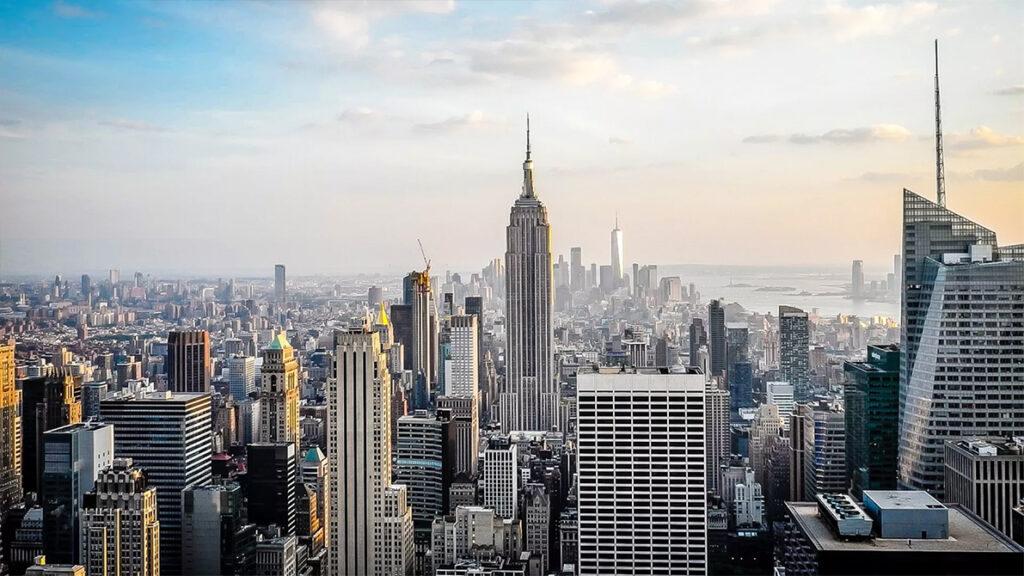
Earthquakes with magnitudes near or above 5 occurred near New York City in 1737, 1783, and 1884, the USGS said. And Friday’s quake stirred memories of the August 23, 2011, earthquake that rattled tens of millions of people from Georgia to Canada. Centered in Virginia, it cracked the Washington Monument and shook New Yorkers ahead of the 10th anniversary of the 9/11 terrorist attacks.
At a magnitude of 5.8, it was the strongest earthquake to hit the East Coast since World War II.
On Friday, the White House said in a statement that President Joe Biden had been briefed on the earthquake and was “in touch with federal, state, and local officials as we learn more.”
By midday, New York City had no signs of “major infrastructure or human safety issues due to the earthquake,” Mayor Eric Adams said on X, adding that the city was inspecting critical areas.
New York Governor Kathy Hochul posted on X that the earthquake was felt across the state, but officials had no reports of any life-threatening issues.
“I was like, ‘Where’s that vibration coming from?’” Byron recalled. He was especially puzzled because there was no subway nearby.
But he didn’t realize there had been an earthquake until he got the alert on his cellphone.
Image: Wfla





