In a decision that underscores the growing tension between Washington and Havana, the United States Senate blocked a resolution on Tuesday that sought to limit President Donald Trump’s authority to undertake military actions against Cuba without prior Congressional approval.
The measure, pushed by Democrats, was rejected with a vote of 51 to 47, aligning almost entirely with partisan divisions and opening a new chapter of uncertainty for both residents on the island and the Cuban diaspora in the United States.

The Context on Capitol Hill
The resolution, sponsored by Democratic Senator Tim Kaine, aimed to apply the War Powers Act to require the White House to consult with Congress before any military escalation. Democrats argued that the tightening of the U.S.-led energy blockade—with Coast Guard support to intercept fuel shipments—already constitutes a form of “hostility” and warned about President Trump’s recent rhetoric, who in March suggested he “would have the honor of taking Cuba.”
Meanwhile, Republicans, led by Florida Senator Rick Scott, argued that the resolution was premature and unnecessary, noting that there are currently no troops deployed and that the executive branch must have free rein to pressure a communist regime allied with U.S. adversaries and accused of human rights violations.
What Does This Really Mean for Cubans on the Island?
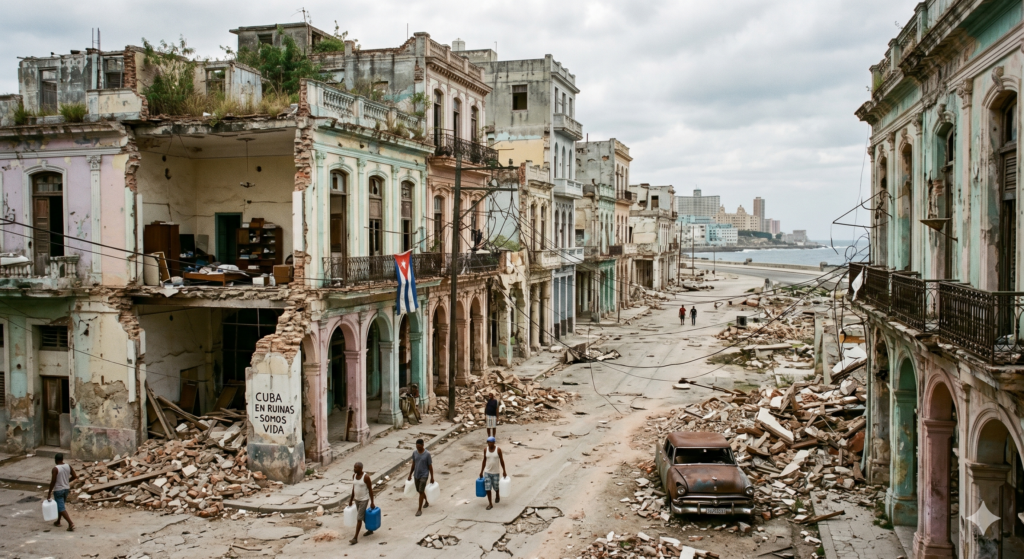
For citizens living in Cuba, the Senate’s decision translates into maximum uncertainty and a potential worsening of the humanitarian crisis.
- Economic and energy suffocation: Without legislative restraints on the administration’s “maximum pressure” policies, it is highly likely that the current energy blockade will intensify. This means more blackouts, shortages of drinking water, and higher prices for basic food items.
- Fear of open conflict: While direct military intervention is not a certainty, rhetoric from Washington fuels anxiety in a population already exhausted by internal crises.
- Hope for internal opposition: For a segment of the dissident movement and those seeking rapid regime change, the firm stance of the U.S. administration is seen as the definitive pressure needed to force the collapse of the Castro government, which they accuse of economic incompetence and repression.
The Impact on the Diaspora in the United States
In South Florida and across the U.S., the news has sparked deeply polarized reactions that reflect the historical pain of the exile community:

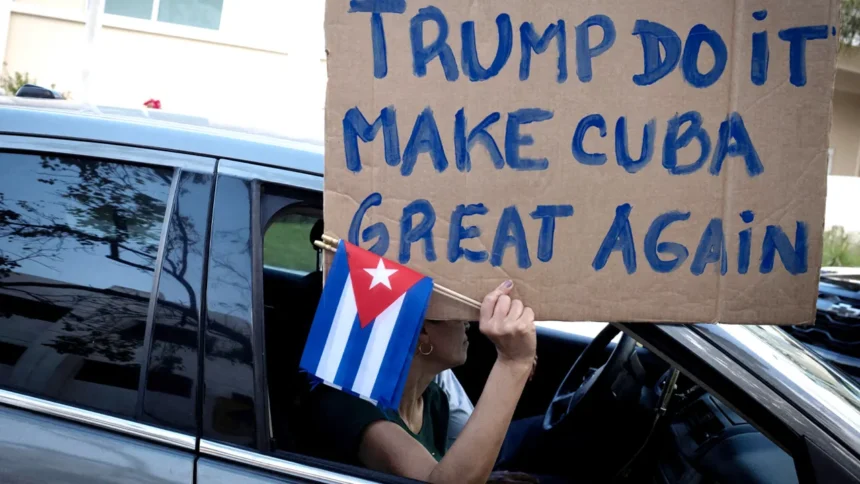
- Celebration among hardline exiles: For hardline sectors and participants in movements like “Save Cuba” in Miami, the resolution’s failure is a victory. They see Trump as the final catalyst to “liberate Cuba” and applaud the Senate for not tying his hands. For them, any attempt at peaceful dialogue has failed.
- Family anguish: On the other hand, thousands of Cuban-Americans live with the constant anguish of having parents, siblings, and friends on the island. For this group, the president’s free rein and the intensification of economic blockades or potential armed conflicts translate into direct and immediate suffering for their loved ones, who have no way to escape the situation.
- Uncertainty over migration and remittances: The lack of predictable policy keeps legal pathways for family reunification, the sending of aid, and communication between both sides in limbo.
Looking Ahead
The blocking of this resolution makes it clear that President Trump has strong support from his party in the Senate to manage foreign policy toward Havana at his discretion.
While lawmakers in Washington debate geopolitics, foreign influence, and constitutional powers, millions of Cubans remain caught in the crossfire, waiting to see whether the coming months will bring the collapse of a decades-old system or the deepening of everyday suffering.