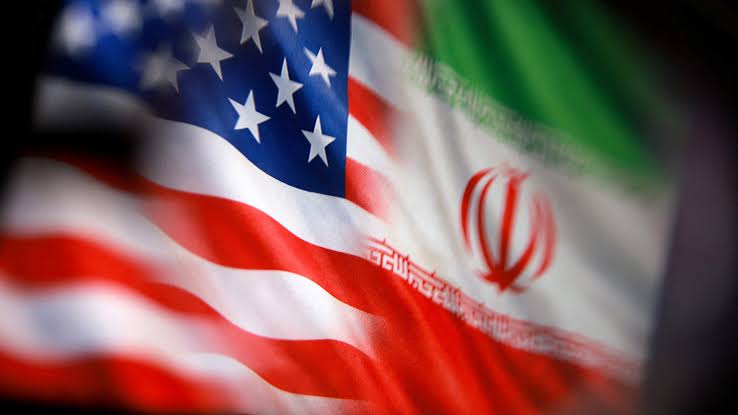
The U.S. Senate approved a historic and surprising war powers resolution aimed at limiting the military authority of President Donald Trump and demanding an end to hostilities against Iran, unless he obtains explicit authorization from Congress.
This move is especially significant given the narrow Republican majority in the upper chamber and represents the most substantial legislative challenge to the Trump administration’s foreign policy since the start of military actions in late February.

Key Details of the Vote
- Close outcome: The resolution passed with 50 votes in favor and 48 against, succeeding after ten previous failed attempts. YouTube
- Bipartisan support: The measure advanced thanks to several Republican senators aligning with the Democratic bloc, reflecting growing unease in Congress over the unilateral handling of the conflict. Instagram
- The financial factor: The vote coincides with pressure from the Pentagon, which is requesting an additional $80 billion to replenish ammunition and depleted reserves from the clashes.
The Context of the Conflict
The vote takes place amid a scenario of tense diplomatic calm:
- Roadmap for peace: U.S. and Iranian delegations recently finalized an agenda in Switzerland aimed at formalizing a definitive peace agreement within 60 days.
- Nuclear discrepancies: While Trump asserts that Iran will accept full UN inspections of its war-damaged facilities, Tehran publicly maintains that its defensive capabilities and ballistic missile systems are not part of the current negotiations.
Congress has made clear that if bombings resume or the current truce is broken, the White House will not have a blank check on Capitol Hill.
What Is the Legal Impact?
As a concurrent resolution—which the House of Representatives already approved earlier this month with 215 votes to 208—it does not require the president’s signature and, therefore, cannot be vetoed. However, its true weight is hotly contested:
| Position | Central Argument |
| The White House | Considers it a “symbolic” measure with no legal force. They argue it is unnecessary because active hostilities ceased with the April truce. |
| Congress (Democrats) | Argue that, under the War Powers Act of 1973, the measure is legally binding and warn they will explore judicial avenues if the Executive Branch does not comply. |
Under the War Powers Act of 1973, the resolution states that the Executive Branch cannot keep troops in active hostilities for more than 60 days without Congressional approval.
Although the immediate legal impact is limited—since the president retains constitutional authority as commander in chief and the White House has veto power (which would require a two-thirds majority to override)—the political significance is clear. It serves as a direct rebuke and a reminder.

The Political Backdrop
This bipartisan rebuke reflects the pressure of an election year. Recent polls show the conflict has lost considerable public support ahead of the November legislative elections, where Republicans are defending their control of Congress.
Meanwhile, the Trump administration continues to pursue a diplomatic path and has sent JD Vance to Switzerland to try to finalize a definitive peace agreement with Tehran.
Image: ElHispanoParaTodos/PRESS