

As hurricane season approaches, you’ve likely already prepared your emergency kit. But veterinarians and animal experts warn not to forget your pets.
During hurricane season, it’s crucial for pet owners to prepare a safety plan for their animals. Pets should be included in evacuation plans, pet-friendly shelters should be identified, and an emergency kit with supplies for them should be prepared.


Unfortunately, a lack of planning can leave animals in dangerous situations during or after a storm.
“Probably the biggest danger most pets face is owners who don’t evacuate because they feel they can’t take their pets with them.”
If there’s structural damage or flooding in the home, it can put both the owner’s and the pet’s lives at risk. “The greatest danger any pet can face is not having an established evacuation plan,” said Megan Allan, community outreach manager for the Florida State Animal Response Coalition.
Before the storm
Plan your evacuation: If you need to evacuate, make sure you have a plan to take your pets with you. Research where they can go and how to get them there.
The Florida Division of Emergency Management warns that pets should never be left behind and instead, a plan should be made for where to go with them.
Abandoned animals may escape and get injured or ingest hazardous materials.

In some situations, animals may need to escape a structure but can’t.
Identify pet-friendly shelters: Not all emergency shelters accept pets. Contact your local emergency management agency or animal shelters for information on shelters that do accept animals, according to the Food and Drug Administration (FDA).
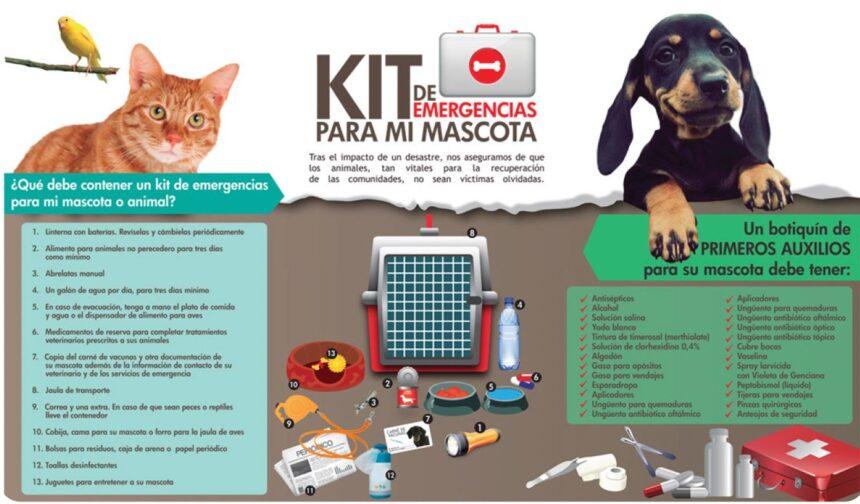
Prepare a pet emergency kit: It should include food, water, medications, a first-aid kit, a bed, toys, leashes, harnesses and/or carriers, and current photos of your pets, according to the American Red Cross.
Ensure your pets are up to date on vaccinations: Pets can be exposed to diseases during flooding.
Keep your pets indoors: Once a storm warning is issued, make sure to keep your pets inside, according to Ready.gov.
Have a list of pet-friendly hotels/motels on hand: It can be helpful to have a list of places where you can take your pets if you need to evacuate quickly.
During the storm
Take your pets with you: If you evacuate, do not leave your pets behind.
Keep them safe and sheltered: If you can’t evacuate, make sure you have a safe place for your pets indoors, away from windows and other hazards.
Don’t leave them alone: Dangerous conditions may prevent you from returning home for several days.
Do not walk your pets during the storm: Walks can be dangerous, especially if there are strong winds or flooding.
After the storm
Assess your home for damage and safety: Before allowing your pets inside, make sure your home is safe.
Monitor your pets for signs of stress or anxiety: They may need extra attention and comfort.
Help your pet feel secure: Provide them with toys, food, and affection.

In summary:
Plan ahead: Prepare an evacuation plan that includes your pets and find shelters that accept animals.
Prepare a pet emergency kit: This kit should contain all the essential supplies for your animals.
Don’t leave your pets behind: If you evacuate, make sure to take them with you.
Keep them safe during the storm: Protect your pets from hurricane hazards.
Monitor your pets after the storm: Make sure they’re okay and help them feel secure.
If you have questions about your pet’s well-being, please email:
DrBorrego@petsvet.com www.petsvet.com
Dr. Enrique Borrego is the medical director of Animal General Hospital.
Located at 501 SW Port Saint Lucie Boulevard, Port St. Lucie, FL 34953 • Phone 772-344-8835
Serving our Treasure Coast community since 1990





