


The administration of U.S. President Donald Trump has reinstated an old policy of neighborhood verifications as part of the investigation process for applicants seeking U.S. citizenship and the approval of each case.
- However, the Trump administration has now instructed USCIS officers to request additional information from immigrants to decide whether to conduct a neighborhood investigation.
- The administration stated that foreigners applying for citizenship must demonstrate they “have been and continue to be” individuals of good moral character.
In a memo obtained by CBS, the U.S. Citizenship and Immigration Services (USCIS) has instructed its officers to conduct field verifications, which include interviews with the immigrant’s neighbors or coworkers.

Over the past three decades, USCIS waived neighborhood investigation requirements and relied primarily on biometric and criminal background checks conducted by the Federal Bureau of Investigation (FBI) to gather information related to the applicant’s good moral character and eligibility for naturalization.
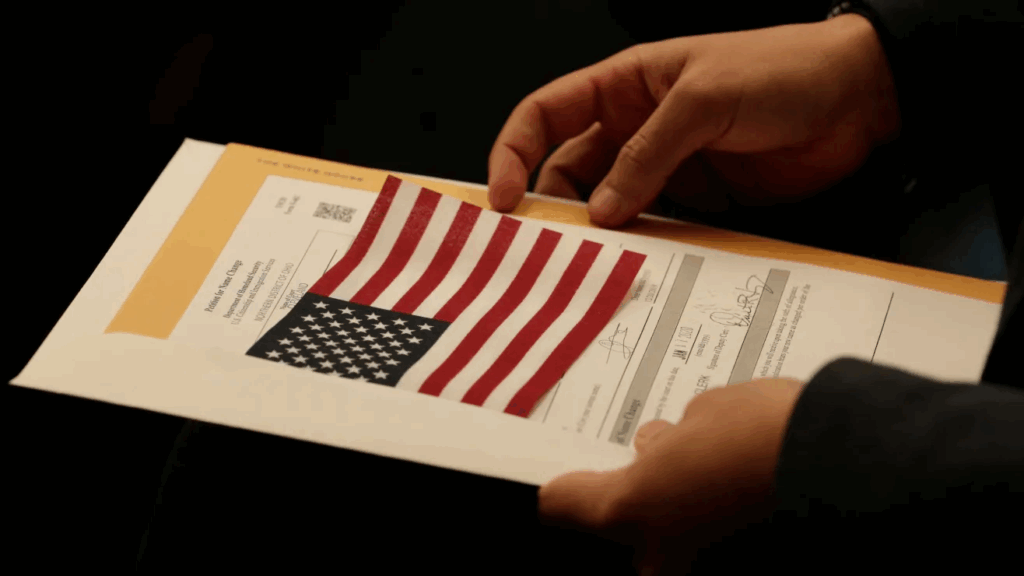
However, the Trump administration has now instructed USCIS officers to request additional information from immigrants to decide whether to conduct a neighborhood investigation.
The additional information includes letters from acquaintances who can provide details about the naturalization applicant’s good moral character, which will serve as evidence in the case.
Failure or refusal by an applicant to provide such evidence may result in a neighborhood investigation, the memo issued on August 22 details.

The return of neighborhood verifications, which had not been implemented since 1992, is part of the White House’s goal to tighten scrutiny of foreigners applying for immigration benefits.
Last week, USCIS announced an update to the factors considered for granting immigration benefits, such as moral character, anti-American activity, terrorist or antisemitic behavior, which will be viewed as negative points and may lead to the denial of the application.
The administration stated that foreigners applying for citizenship must demonstrate they “have been and continue to be” individuals of good moral character.

“From now on, USCIS officers must consider the positive attributes of a foreigner and not merely the absence of misconduct,” the agency explained in the announcement.
Positive attributes may include active community involvement, educational achievements, family ties, a stable and legal employment history, and responsible financial behavior, such as meeting tax obligations, among others.
Under the new policy, officers may also broaden the definition of disqualifying factors, at their discretion, such as repeated traffic violations.
Image: DiarioNY





