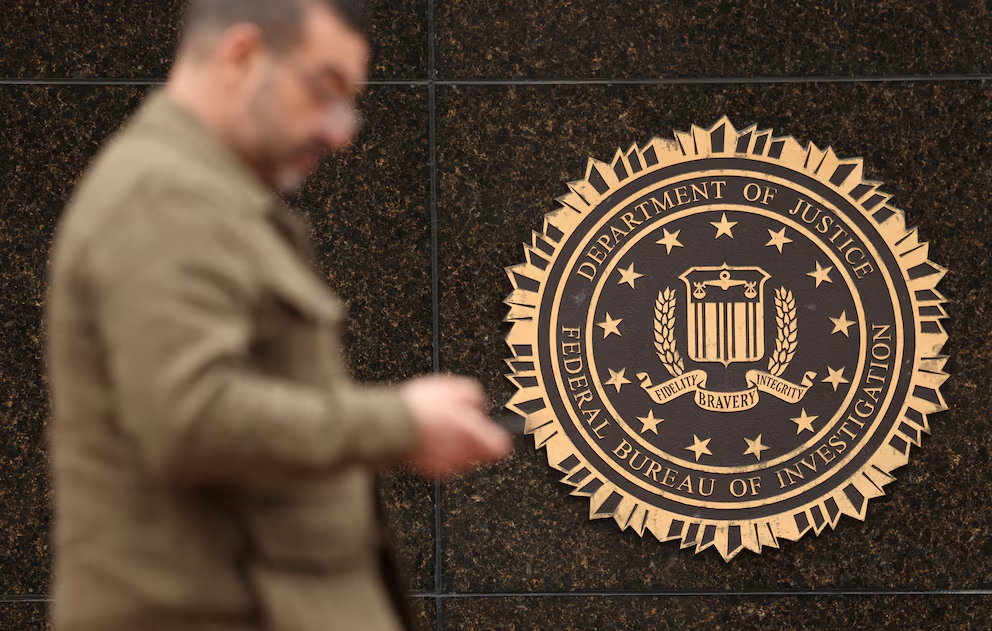
The federal government of the United States has reactivated so-called “neighborhood inspections” in the citizenship application process, a measure that tightens scrutiny for those seeking naturalization in the country. This decision marks the end of a general exemption policy in place since 1991, which prioritized criminal background checks and personal interviews conducted by the Federal Bureau of Investigation (FBI), sidelining in-person investigations in applicants’ communities.
- Applicants must submit additional evidence to avoid in-person inspections
- Background: A practice abandoned for three decades due to low effectiveness
- A shift in immigration control that strengthens verification for legal immigrants
- Criticism and warnings about the potential deterrent effect on immigrants
Under the directive issued by the U.S. Citizenship and Immigration Services (USCIS), officers may now individually determine the need to conduct visits to applicants’ neighborhoods, directly interview neighbors, coworkers, and employers, and gather testimonial information about the conduct of those seeking to become U.S. citizens. A USCIS memo, cited by CBS News, states that applicants must demonstrate good moral character, respect for the Constitution, and a positive disposition toward the country’s order and general welfare, fundamental requirements in the law for obtaining naturalization.

According to procedures detailed in the official document, inspections are not automatic for all cases, with USCIS officers retaining discretion to decide whether to conduct them based on the data—or lack thereof—provided by applicants. Officials may still waive these investigations if they deem the submitted information sufficient to evaluate the application.
Applicants must submit additional evidence to avoid in-person inspections
The memo advises citizenship applicants to proactively submit testimonial letters from their neighbors, employers, or colleagues. This step aims to prevent subsequent requests for additional evidence that could lead to an in-person community inspection. The letters must confirm the applicant’s good conduct and reputation in their social and work environments, as well as their respect for U.S. constitutional principles.
If an applicant fails to respond to a formal request for evidence, the agency clarifies that it may interpret this as sufficient grounds to initiate a neighborhood inspection, potentially affecting the evaluation of the file and the approval of citizenship. The process known as naturalization also requires, in addition to moral conduct, having legally resided as a permanent resident in the United States for three or five years, having no serious criminal record, and passing civics and English exams.
Background: A practice abandoned for three decades due to low effectiveness
Neighborhood inspections for citizenship applications are included in U.S. immigration law, though the policy implemented since 1991 opted to discard them as a general measure in favor of FBI background checks. The decision to abandon these practices was justified, according to CBS News, by their low yield and limited effectiveness in providing relevant or unknown information about applicants.

Doris Meissner, former commissioner of the now-defunct Immigration and Naturalization Service (INS) during the administration of Bill Clinton, explained that immigration authorities considered neighborhood inspections obsolete, impractical, and an unnecessary burden on staff. Meissner emphasized that the shift in focus prioritized more effective and less invasive controls while maintaining important safeguards through rigorous background checks.
A shift in immigration control that strengthens verification for legal immigrants
The federal government’s directive to USCIS follows a series of measures tightening access to legal immigration pathways, including the suspension of the refugee program, the reversal of previous administration policies that allowed temporary stays for certain migrants, and the introduction of new verification requirements for benefits, such as legal residency and citizenship. In August, the agency had already announced stricter scrutiny of the “good moral character” requirement and the review of positions deemed “anti-American” among those applying for work permits, residency, or citizenship, according to CBS News.
USCIS Director Joe Edlow stated that implementing these inspections will ensure “that only the most qualified candidates obtain U.S. citizenship.” Edlow defended the agency’s responsibility to ensure applicants are properly evaluated, comply with constitutional principles, and are willing to uphold the country’s order and welfare.

Criticism and warnings about the potential deterrent effect on immigrants
While the federal government argues these measures aim to protect the country from fraud and improve the immigration system, immigrant advocacy organizations and experts have expressed concerns. According to Meissner, reintroducing neighborhood inspections could create an intimidating environment and discourage eligible individuals from applying for naturalization. The specialist believes the system already has sufficient controls to prevent individuals with poor conduct from obtaining citizenship, making it unnecessary to revive procedures seen as outdated.
The new USCIS guidelines represent a return to in-person immigration control policies that, though included in the law, had been set aside due to their low effectiveness and high operational cost for over thirty years.
Image: Infobae