
Uncertainty has once again settled over the tables of thousands of Hispanic families. If you have a work permit under Temporary Protected Status (TPS) or are awaiting border processes, this week has been a whirlwind of news. On one hand, the nation’s most powerful judges hold the final word for thousands of beneficiaries; on the other, the Department of Homeland Security (DHS) has reopened after a historic shutdown, but with fine print that seems straight out of a political thriller.
The question everyone is asking is: Should I start packing, or is there light at the end of the tunnel? Let’s break down this reality without filters.

The Immediate Verdict: What’s Really Happening?
For those seeking a quick answer: TPS remains in effect for now, but its survival depends on a Supreme Court (SCOTUS) decision expected by late June 2026. Meanwhile, DHS has resumed operations after 76 days of shutdown, but ICE and CBP are operating on “emergency funds” since Congress refused to allocate new money in the latest budget.
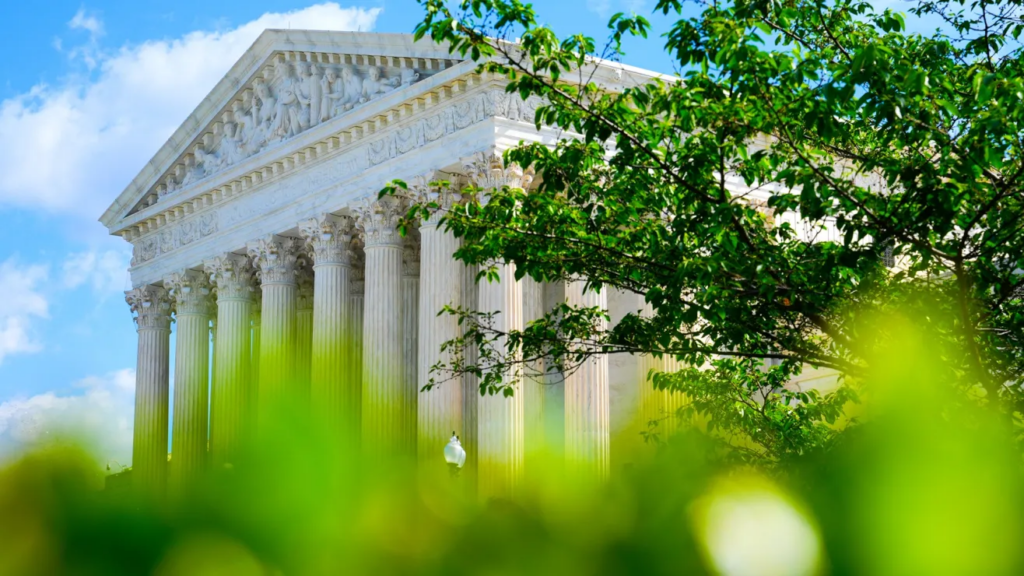
The Supreme Court and TPS: The Final Showdown for Haiti, Syria, and More
This week, attention focused on oral arguments before the Supreme Court. The case is critical because it doesn’t just involve one country—it’s about who truly holds the power to end these humanitarian protections.
What’s Being Debated?
The current administration argues that the DHS Secretary has absolute authority to decide when a country is “safe enough” for its people to return. However, pro-immigrant organizations contend that these decisions have been arbitrary and based on political agendas, not the realities of violence or natural disasters in countries like Haiti, Syria, El Salvador, and Venezuela.
- The Risk: If the Court rules in favor of the government, the administration will have a “blank check” to cancel TPS for any nation with just a few months’ notice.
- The Hope: A ruling requiring stricter reviews could force the government to maintain protections until conditions in the home country improve significantly (something that, let’s be honest, rarely happens quickly).
Note for our community: If you already have a work permit based on TPS, don’t stop renewing it. The current litigation typically includes “automatic extensions” while the judges decide. Don’t assume that because it’s before the Court, your permit is no longer valid.
DHS Reopens, but ICE and CBP Are Left “Without a Tip”
After the longest shutdown in the agency’s history (76 days of paralysis), Congress finally approved funding for DHS to operate until September 30, 2026. But here’s the twist—and what’s leaving border agents scratching their heads—.

The new budget funds nearly everything: USCIS (residency and citizenship processes), the Coast Guard, and airport security (TSA). However, it deliberately excluded additional funding for ICE and CBP.
Does This Mean They’ll Stop Deporting?
Don’t be fooled. The truth is these agencies are surviving thanks to a prior law (known as the One Big Beautiful Bill or OBBB) that allows them to use “carryover” funds. In other words, they’re using savings or previously allocated money.
How does this affect you?

- USCIS Delays: Even with funding, the shutdown left a mountain of backlogged cases. If your residency process is “frozen,” be patient.
- ICE Operations: Without “new” funds, ICE may focus only on high-priority cases (individuals with serious criminal records) instead of large-scale operations, simply due to budget constraints for logistics and transportation.
- Border Patrol: The lack of fresh money complicates hiring new agents, which could create bottlenecks at ports of entry.
Table: The New DHS Budget vs. Immigration Reality
| Agency | Received New Funds? | Impact on Immigrants |
| USCIS | YES (Partial) | Slow processing of visas and citizenships. |
| ICE | NO | Focus on criminal priorities; fewer large-scale raids. |
| CBP | NO | Border saturation and possible delays in CBP One appointments. |
| TSA | YES | Domestic and international travel returns to normal. |
What Should You Do Right Now?
Politics in Washington can feel like a soccer match where we’re the ball. But you don’t have to sit on the sidelines.
- Check Your EAD: Look at the expiration date on your Employment Authorization Document. If your country is part of the Supreme Court litigation, there are automatic extensions that your employer must recognize.
- Consult an Expert: Don’t rely on what your neighbor or WhatsApp group says. An immigration attorney is the only one who can tell you how the Court’s ruling might affect your specific case.
- Plan B: If your TPS status is on shaky ground, explore whether you qualify for other protections like Asylum or a Family Petition.
The truth is… even though the outlook seems bleak, history has shown us that the immigrant community is more resilient than any law. The battle in the Supreme Court is just another chapter; what’s important is to stay informed and ready to act.
Image: ElHispanoParaTodos/PRESS