
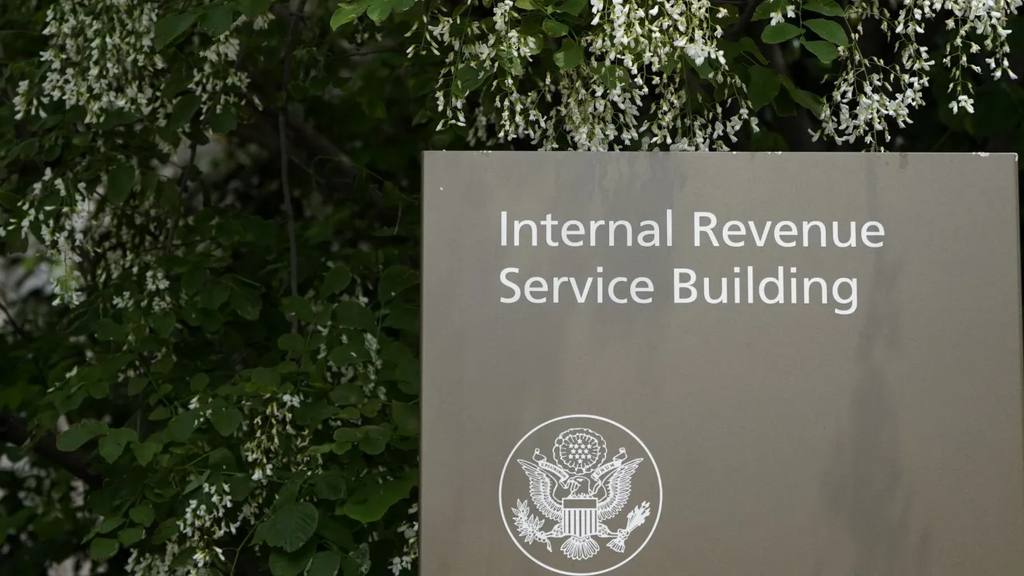
The exchange of information between the IRS and ICE suffered another judicial setback. A federal appeals court ruled that the Internal Revenue Service violated legislation by delivering addresses of thousands of taxpayers to immigration authorities as part of a strategy pushed by the Donald Trump administration.
The case revolves around 47,289 records that the IRS provided to ICE after the agency requested information on approximately 1.28 million people. The goal was to obtain their last known addresses to support investigations related to deportation orders.

The U.S. District of Columbia Circuit upheld the order blocking this practice.
The issue lay in how the data was obtained
The court questioned the IRS’s procedure, which allowed ICE to submit requests without full addresses and still search IRS records to deliver an associated taxpayer address.
Over 90% of the 47,289 records were obtained through matches with tax identification numbers. The judges noted that the mechanism allowed responses even to requests containing fields like “Unknown Address,” “Failed to Provide,” or “NA NA.”

Judge Cornelia Pillard wrote that the procedure involved automated reviews of millions of records without sufficient checks to ensure each request met legal requirements.
During the process, the Trump administration argued that the decision hindered federal law enforcement. Judge Pillard’s response was blunt: “But that’s a complaint against Congress, not the court”, according to the ruling.
A Protection Established After Watergate
Federal law sets strict rules to protect the confidentiality of tax information. These provisions were strengthened after the Watergate scandal, when abuses related to tax data came to light during Richard Nixon’s administration.

The groups that brought the case to court celebrated the decision. Skye Perryman of Democracy Forward stated that the ruling represents a defense against what she called illegal misuse of confidential information.
“The privacy laws enacted after Watergate exist to prevent abuses of power like this”, Perryman argued.
The IRS and the Department of Homeland Security (DHS) did not immediately comment on the ruling. The decision keeps the questioned mechanism blocked and marks another judicial limit on the Trump administration’s efforts to use federal information in its immigration enforcement operations.
Image: ElHispanoParaTodos/PRESS