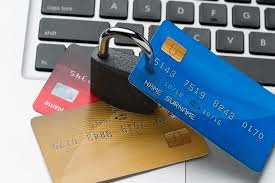
Freezing your credit is like putting a lock on your credit reports. This prevents new lenders from checking your credit history, making it harder for anyone to open accounts in your name without your authorization.
Given the recent data breach that has exposed sensitive information such as birth dates and Social Security numbers, it would definitely be prudent to consider freezing your credit.

To complement your response and provide an even more detailed guide, we would consider adding the following points:
Concrete steps to follow:
- Verify if you have been affected:
- Online tools: There are specialized websites that allow you to check if your email address or Social Security number has been involved in data breaches.
- Company notifications: Be on the lookout for emails or notifications from companies where you have accounts, as many send alerts in case of security breaches.
- Freeze your credit:
- Contact the agencies: Get in touch directly with Equifax, Experian, and TransUnion to request a credit freeze.
- Required documentation: Have your personal information ready to verify your identity.
- Activate fraud alerts:
- Through credit agencies: Request the activation of fraud alerts on your credit reports.
- Banks and credit cards: Contact your financial institutions to inform them of the situation and activate additional alerts.
- Monitor your accounts:
- Review statements: Regularly check the statements of all your financial accounts to detect any suspicious activity.
- Look for unknown charges: Be on the lookout for unauthorized charges on your credit or debit cards.
Additional tips:
- Strong and unique passwords: Use secure and different passwords for each account.
- Two-factor authentication: Enable two-factor authentication on all possible accounts to add an extra layer of security.
- Avoid suspicious links: Do not click on links in unsolicited emails or text messages.
- Keep software updated: Keep your operating system and programs updated to protect against vulnerabilities.
- Cybersecurity education: Stay informed about the latest scams and phishing techniques.
Useful resources:
- Federal Trade Commission (FTC): The FTC provides detailed information on how to protect yourself from identity theft and what to do if you are a victim.
- IdentityTheft.gov: A U.S. government website dedicated to helping victims of identity theft.

Here are some steps you can follow to freeze your credit:
- Equifax:
- Online: Visit Equifax’s credit freeze page.
- By phone: Call 1-800-685-1111.
- By mail: Send a request to Equifax, P.O. Box 105788, Atlanta, GA 30348. Include your name, address, Social Security number, and copies of documents proving your identity (such as a driver’s license, utility bill, or bank statement).
- Visit www.equifax.com
- Experian:
- Online: Visit Experian’s credit freeze page.
- By phone: Call 1-888-397-3742.
- By mail: Send a request to Experian Security Freeze, P.O. Box 9554, Allen, TX 75013. Include your name, address, Social Security number, and proof of identity.
- Visit www.experian.com
- TransUnion:
- Online: Visit TransUnion’s credit freeze page.
- By phone: Call 1-888-909-8872.
- By mail: Send a request to TransUnion, P.O. Box 160, Woodlyn, PA 19094. Include your name, address, Social Security number, and proof of identity.
- Visit www.transunion.com
In summary, freezing your credit is an effective security measure to protect yourself from identity theft after a data breach. However, it is important to combine this action with other protective measures to ensure the security of your personal information.
A credit freeze is an effective preventive measure that will help protect your finances and reduce the risk of becoming a victim of identity theft. It is a prudent decision given the current circumstances.
Image: Wflx