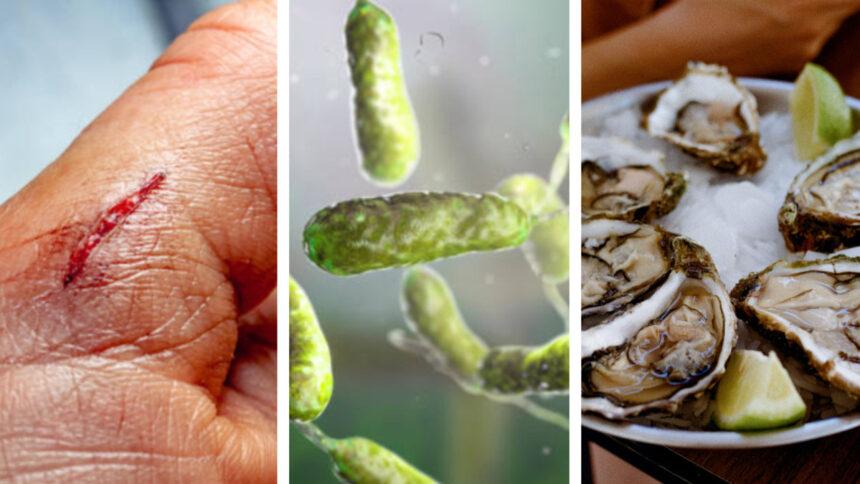
Florida has seen a concerning rise in infections caused by the flesh-eating bacteria, specifically Vibrio vulnificus, in 2025, according to reports from the Florida Department of Health (FDOH). This situation calls for greater public awareness about what it is, how to protect yourself, and how to act quickly.
Indeed, Florida has seen a concerning rise in infections caused by the flesh-eating bacteria, specifically Vibrio vulnificus, in 2025, according to reports from the Florida Department of Health (FDOH). This situation calls for greater public awareness about what it is, how to protect yourself, and how to act quickly.

What Is the “Flesh-Eating Bacteria”?
The term “flesh-eating bacteria” does not refer to a single species but to several types of bacteria that can cause necrotizing fasciitis, a rare but extremely serious infection that spreads rapidly and destroys the skin, fat, and tissue covering the muscles.
In Florida, the most common cause of these infections is the bacterium Vibrio vulnificus. This bacterium thrives naturally in warm, brackish coastal waters (a mix of fresh and saltwater).
People can become infected in two main ways:
- Through the skin: When an open wound, cut, scrape, or even a recent insect bite comes into contact with water containing the bacteria.
- Through consumption: By eating raw or undercooked shellfish, especially oysters, that have been harvested from contaminated waters.
Symptoms of the Infection
Symptoms can appear quickly, often within 24 hours of exposure, and it is crucial to recognize them to seek immediate medical attention.

- Wound infection:
- Redness, warmth, swelling, and severe pain in the wound area, which spreads rapidly.
- Fever and chills.
- Appearance of blisters, ulcers, or black spots on the skin, indicating tissue death.
- Infection from consumption (septicemia):
- Vomiting, diarrhea, and abdominal pain.
- High fever and chills.
- Dangerous drop in blood pressure and septic shock.
Necrotizing fasciitis is a medical emergency! Quick diagnosis and treatment are vital to prevent limb loss or death.
Recommendations and Prevention 🩺
Prevention is the best tool. The Florida Department of Health and the CDC (Centers for Disease Control and Prevention) issue the following recommendations:
- Avoid saltwater or brackish water if you have wounds: Do not swim in the ocean, bays, or estuaries if you have cuts, scrapes, recent wounds, or even new tattoos.
- Cover wounds: If you cannot avoid contact with water, cover any wound with a waterproof bandage. Wash the wound thoroughly with clean water and soap immediately after exposure.
- Use protection: Wear appropriate footwear at the beach to avoid cuts from shells or rocks. Use gloves if handling raw shellfish.
- Cook shellfish thoroughly: Never eat raw oysters or other shellfish. Cook them well before eating.
- High-risk individuals should take extra precautions: Those with weakened immune systems, chronic liver disease, cancer, or diabetes are at much higher risk of severe infection and should take extreme care.
How Is the Infection Treated?
Treatment must be immediate and aggressive. Once in the hospital, doctors combat the infection with:

- Intravenous antibiotics: Powerful antibiotics are administered directly into the bloodstream to try to stop the spread of the bacteria.
- Surgery (Debridement): This is the most crucial step. Surgeons must surgically remove all dead and infected tissue to prevent the infection from spreading. Multiple operations are often required.
- Amputation: In the most severe cases, to save the patient’s life, it may be necessary to amputate the affected limb.
- Intensive care: Patients often require treatment in the Intensive Care Unit (ICU) to manage septic shock and organ failure.