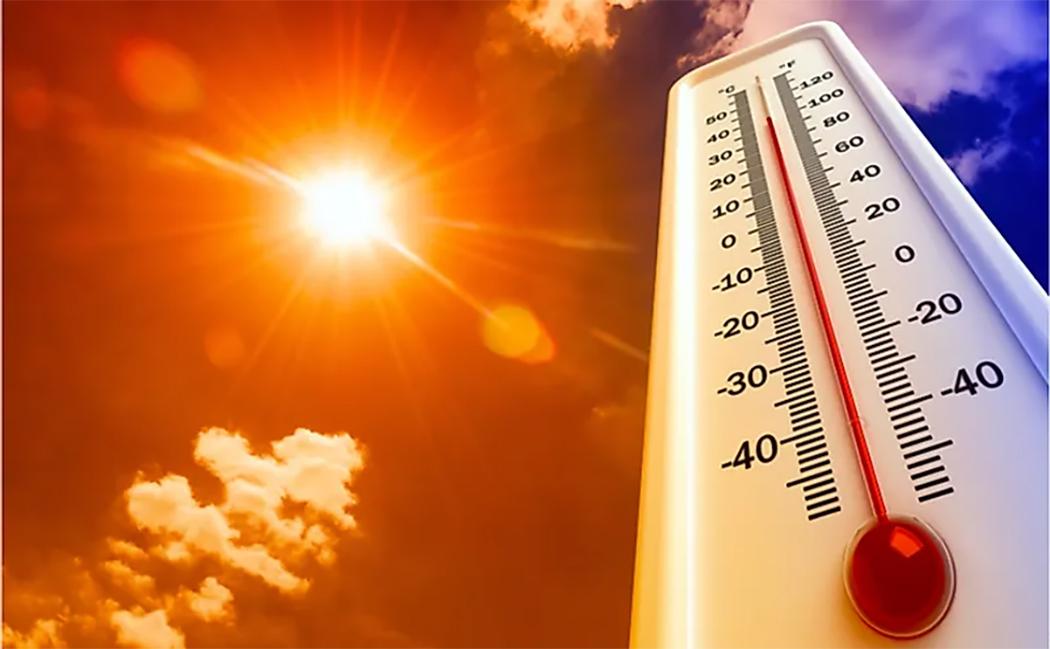
This summer’s high temperatures in Florida pose a serious danger. Learn the symptoms of heatstroke and how to protect your family and pets.
Summer in Florida always brings sunny days and warm temperatures, but the current heatwave is pushing thermometers to levels that represent a direct risk to public health. Whether you’re working outdoors, enjoying the beaches, or simply running errands, it’s vital to understand the dangers of prolonged exposure to these high temperatures and know how to act.

The Real Risks of Extreme Heat
When the body cannot cool itself through sweating, body temperature rises quickly. This can trigger various medical emergencies:
- Heat Exhaustion: This is the body’s response to excessive loss of water and salt. Symptoms include heavy sweating, paleness, muscle cramps, fatigue, weakness, dizziness, headache, and nausea. If untreated, it can lead to heatstroke.
- Heatstroke (Sunstroke): This is the most serious emergency. It occurs when body temperature reaches 103°F (39.4°C) or higher. The skin may be red, hot, and dry (no sweating). It can cause confusion, loss of consciousness, and even be fatal if emergency medical attention is not received immediately by calling 911.
Who Is Most Vulnerable?
While anyone can suffer from extreme heat, certain groups must take extra precautions. Older adults, infants and young children, and people with chronic illnesses (such as heart or respiratory conditions) have greater difficulty regulating their body temperature.
Don’t forget about your pets: Dogs and cats are also extremely susceptible to heat. Hot asphalt can burn their paws, and leaving them in a parked car—even for a few minutes with the windows down—can be deadly. Make sure they have plenty of shade and fresh water at all times.
How to Stay Safe During the Heatwave
To enjoy the rest of the season without risking your well-being, follow these recommendations:

- Stay hydrated: Drink water frequently, even if you’re not thirsty. Avoid excessive caffeine and alcohol, as they dehydrate the body.
- Avoid peak hours: Limit strenuous outdoor activities between 10:00 a.m. and 4:00 p.m., when the sun is strongest.
- Seek air conditioning: If your home doesn’t have air conditioning, visit public places like libraries, shopping malls, or local community centers during the hottest hours of the day.
- Dress appropriately: Wear loose, light-colored, and lightweight clothing. Don’t forget sunscreen, wide-brimmed hats, and sunglasses.
Stay informed through local weather advisories and regularly check on your family members, elderly neighbors, and pets. Prevention is the best tool to face this summer’s high temperatures.