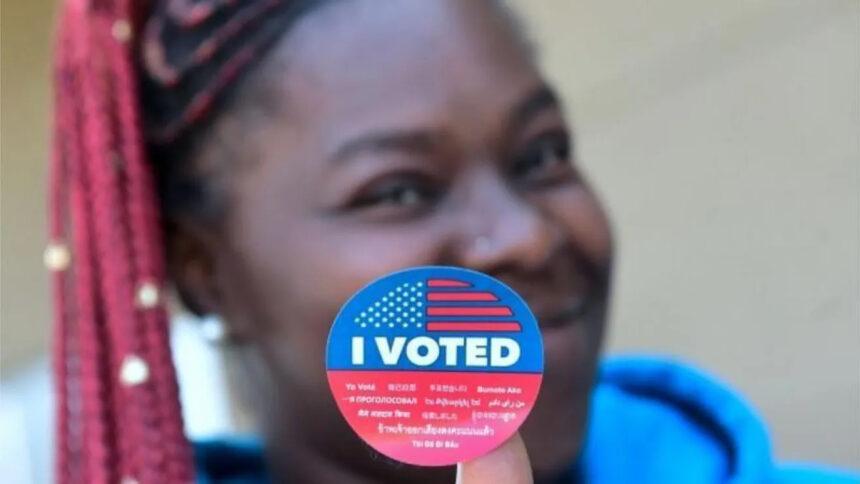
U.S. elections are held on Tuesdays due to historical reasons dating back to the 19th century, specifically 1845 when the Election Law was passed. This tradition has several practical motives:
Historical Factors
Agricultural Context: In the 19th century, the United States was primarily an agricultural country, and most of the population lived in rural areas. November was chosen because the harvests were already over, and the weather was not yet too cold for travel.

Religious Considerations
The Tuesday election date in the U.S. addressed several religious and practical restrictions:
- It could not be Saturday because it is the Jewish Sabbath
- It could not be Sunday because it is the Christian day of rest
- It could not be Monday because people would need to travel on Sunday
- It could not be Wednesday because it was the traditional agricultural market day

Specific Date
Elections are held specifically “on the first Tuesday after the first Monday in November” to avoid coinciding with November 1, All Saints’ Day.
Current Impact
This tradition has been criticized today because:
- It makes participation difficult as it is a workday
- The United States ranks 138th out of 172 countries in voter turnout
- Many citizens have trouble taking time off work to vote
Despite initiatives like the NGO “Why Tuesday?” that seek to change this tradition to facilitate weekend voting, the rule remains in effect.

Image: Opinion