And they still ask me why I don’t trust my homeland, why I barely like to return, and why I criticize the lack of will and commitment from so many Colombians
By Omaira Martínez Cardona – Colombian Journalist

And they still ask me why I don’t trust my homeland, why I barely like to return, and why I criticize the lack of will and commitment from so many Colombians who believe that defending their country from afar is just wearing a jersey, tearfully singing the anthem, dancing cumbia, or eating its varied and exquisite cuisine.
As I write this article, the pain of homeland has overflowed, and it is the anguished soul that no longer allows us even the slightest breath of hope to speak proudly of the homeland.
Which homeland, I ask?
I, who have always defended the opinion that it is better to know and reveal our history so as not to repeat it, never imagined I would live to see and report again on the endless internal and social conflict in my country.
Thirty-four years ago, I had the unfortunate experience of reporting on the death of one of the country’s most beloved colleagues, who had fallen victim to the political violence exercised at the time by the drug cartel against those who fearlessly denounced its crimes.

The image of Diana Turbay Quintero’s children was broadcast through all media, one of them under six years old, whose gaze still did not understand why his mother had been murdered.
We never imagined that history would repeat itself in that child, whom we later met personally as a young political leader defending the country’s constitutional and democratic principles—one who truly served his homeland.
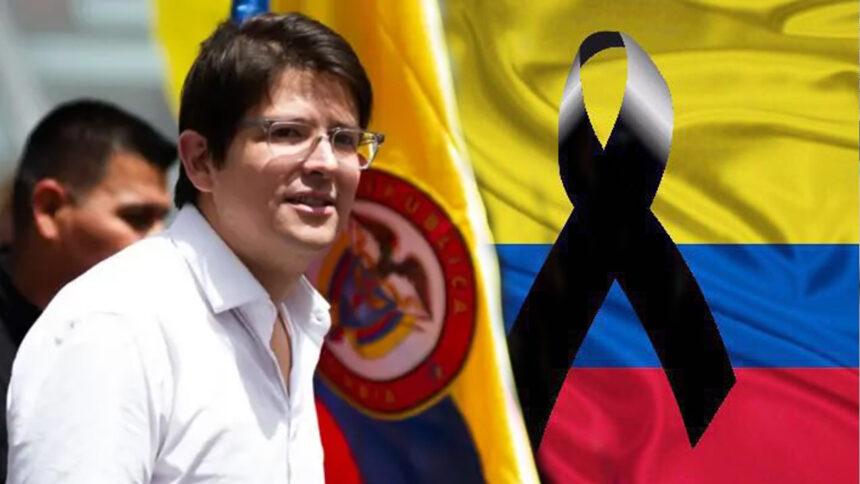
Miguel Uribe Turbay would have been president of Colombia if they had not silenced his voice and his life forever in a new assassination that refreshed the memory of many who, for years, have endured without flinching the violence and social crisis plaguing the country.

How many more leaders will have to sacrifice themselves for Colombians to react and take responsibility as citizens to uphold life and exercise citizenship with solidarity, respect for differences, and justice for the country’s progress?
As always when these regrettable situations occur, everyone calls for disarmament, for moderating speeches and language. Everyone clamors for peace, for peaceful political debates, national dialogues, unity.
So many words and promises that have stagnated the country and Colombians for decades, who have grown accustomed to living this way, with resignation, waiting for fate to arrive and squandering the opportunity to transform and evolve into a better country.
That is why nothing ever changes—everyone demands justice, but almost no one fulfills or exercises it. Everyone complains, criticizes, promises, but quietly, under the radar, without being heard, because the fear wielded by power silences and extinguishes any good intention or hope.
There is no democracy if there is no freedom to exercise citizenship with respect for differences and for life.
Better security for a freer, more peaceful, and just country was one of Miguel Uribe Turbay’s aspirations, who today has become one more of the 97 social leaders that, according to the Institute of Studies for Development and Peace, Indepaz, have been murdered in Colombia this year.
Colombians will have a new opportunity in the upcoming elections to exercise their citizenship and choose real change toward a government and a country that is not complicit in violence, impunity, corruption, and shamelessness.
We hope no Colombian child will have to repeat the history we are reliving today, and that from heaven, Miguel Uribe will guide the steps of his young son Alejandro and his family, and that his legacy will endure forever.
oma66co@gmail.com