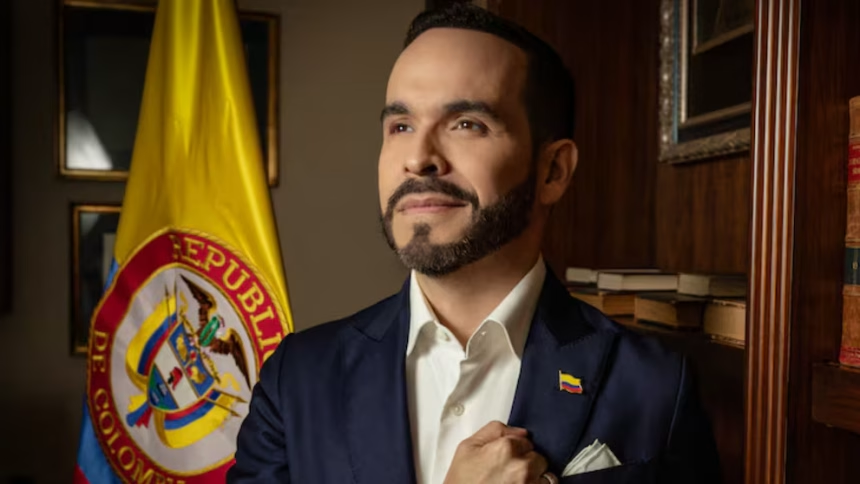
Abelardo de la Espriella, popularly known as “El Tigre,” has just secured his victory in the June 21, 2026, presidential runoff, defeating leftist candidate Iván Cepeda. As leader of the far-right movement Defensores de la Patria and with former minister José Manuel Restrepo as his vice-presidential running mate, De la Espriella will assume power for the 2026-2030 term.
From Courtrooms to the Business World
Born in Bogotá in 1978, De la Espriella built his public image long before entering electoral politics. In 2002, he founded the firm De La Espriella Lawyers Enterprise, from which he took on the defense of highly prominent and controversial figures in Colombia’s recent history.

His client list included former president Álvaro Uribe and former magistrate Jorge Pretelt, as well as David Murcia Guzmán (creator of the illegal pyramid scheme DMG) and Álex Saab, accused of being a frontman for Nicolás Maduro. He also represented victims in high-impact national cases, such as Natalia Ponce de León and the family of Rosa Elvira Cely.
Beyond law, he cultivated a luxury business and artistic persona. He created his own men’s clothing line (De La Espriella Style), marketed his own brands of wine, rum, and coffee, and even pursued a career as a singer, releasing pop and Italian music albums like Navegante (2022).
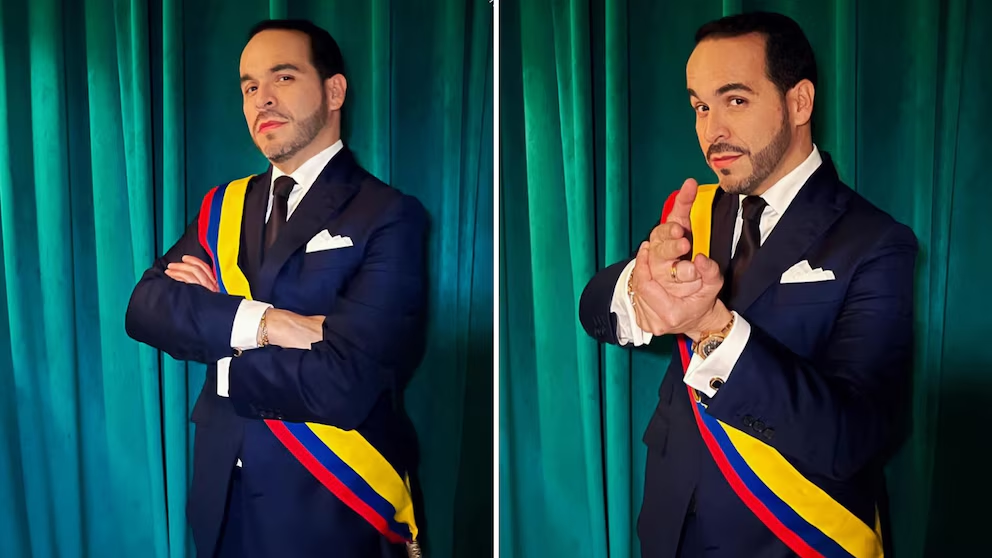
The Leap into Politics and the “Defensores de la Patria” Movement
Openly inspired by the styles and policies of Donald Trump (who publicly endorsed him), Javier Milei, and Nayib Bukele, De la Espriella structured his presidential campaign around the promise of a “firm hand” and strong security rhetoric.
His political platform raised alarms among various human rights organizations due to the radical nature of his proposals:

- Security model: Creation of mega-prisons and legislation to facilitate accelerated incarcerations.
- Dismantling the peace framework: Proposed cutting the budget of the Special Jurisdiction for Peace (JEP) by 90% with the aim of closing it by 2030, and eliminating or merging the National Protection Unit and the Land Restitution Unit.
- Isolationist foreign policy: Proposed withdrawing Colombia from the UN, the OAS, and the Inter-American Court of Human Rights, arguing in defense of sovereignty.
- Eradication of illicit crops: Announced the use of bioherbicides to resume rapid fumigation of plantations.
The 2026 Contest and Victory
The 2026 election was a clash of diametrically opposed visions for the country. He faced Iván Cepeda, the candidate of the Historic Pact, who represented the continuation of Gustavo Petro’s government policies.
After winning the first round in May with 44% of the vote, De la Espriella maintained his lead in Sunday’s runoff, surpassing Cepeda with over 50% of the votes. His campaign focused heavily on capitalizing on discontent in key regions and promised that his first act as president on August 7 will be to sign 90 presidential decrees to implement immediate changes in security, economy, education, and health, without waiting for initial congressional procedures.
Image: ElHispanoParaTodos/PRESS