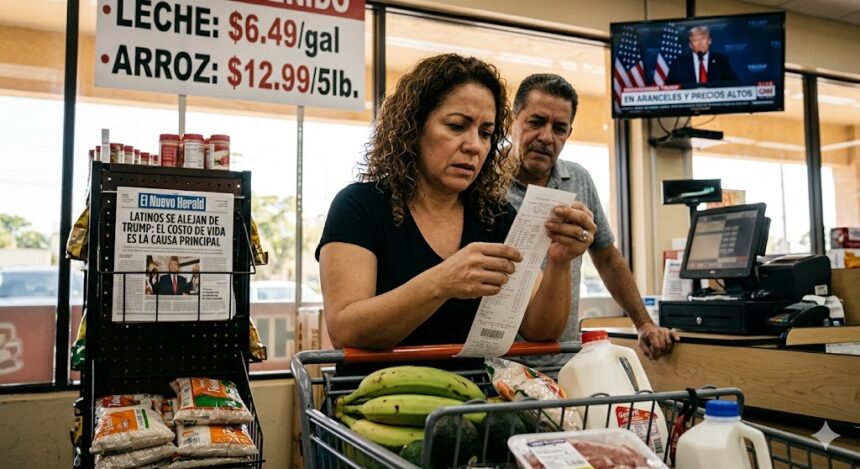
The Paradox of the ‘Tough Stance’: Why Isn’t It Enough?
For years, the formula to win the Hispanic vote in Florida and other strongholds seemed simple: fiercely attack the regimes in Havana and Caracas. However, in March 2026, something has broken. Despite high-impact media milestones—such as the capture of Nicolás Maduro in January of this year and the economic stranglehold on Cuba—polls show a historic collapse in Donald Trump’s approval among Latino voters.
Key Data: According to the Pew Research Center, after reaching a peak support of 48% in November 2024, Trump’s disapproval among Hispanics has now climbed to an alarming 70%.
What’s happening? The short answer is that the Latino voter is pragmatic: you can’t eat geopolitical freedom if the price of milk keeps rising.

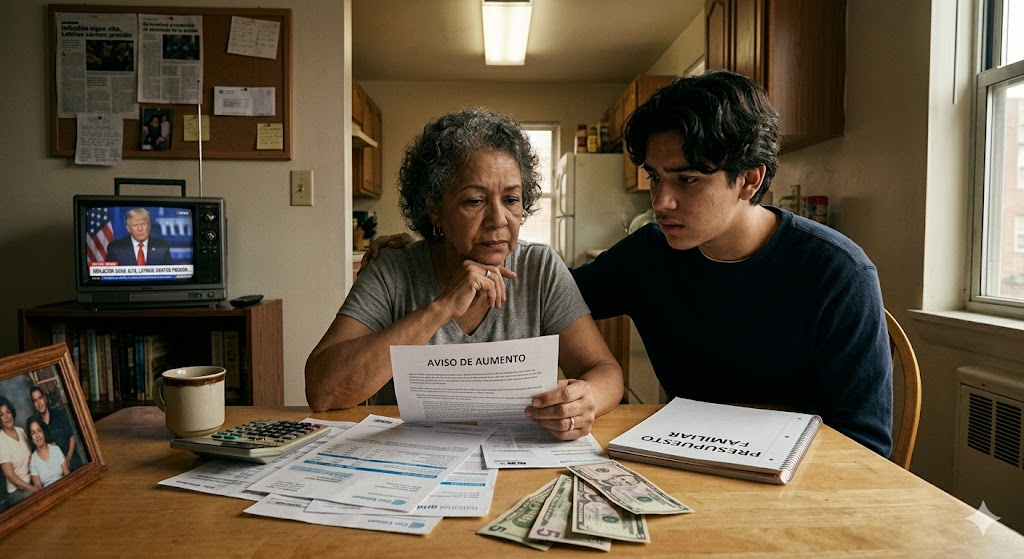
Snippet Bait: The Direct Answer
Latino support for Donald Trump has fallen because domestic economic concerns (inflation, tariffs, and cost of living) have outweighed foreign policy. While many Hispanics celebrate the pressure on Cuba and Venezuela, 69% blame Trump’s tariffs for rising prices, and 65% reject the mass deportation tactics of his second term, eroding the base that led to his 2024 victory.
1. The Wallet Rules: The Boomerang Effect of Tariffs
Trump’s central argument was always economic prosperity. But in 2026, the perception has changed. The implementation of aggressive tariffs under his “America First” policy has directly hit Hispanic families.
- Rising basic costs: Seven out of ten Hispanics say tariffs are making everyday products more expensive.
- The specter of recession: Unemployment rose to 4.6% by the end of 2025, and the Latino community, historically employed in sensitive sectors like construction and service, is the first to feel the chill.
- Affordability: The promise that “you’d live better” hasn’t materialized for 54% of Latinos, who feel their financial situation has worsened compared to last year.
2. Immigration: From ‘Security’ to ‘Persecution’
Many Latinos voted for Trump in 2024 seeking order at the border. But the execution of his mass deportation plan in 2025 and 2026 has crossed a red line for many.
- “Dragnet” tactics: ICE raids in Latino communities no longer distinguish between criminals and essential workers. Seeing neighbors and family members detained without due process has horrified even conservative sectors.
- Rejection of brutality: The perception of excessive force has led to 65% of Latinos disapproving of the current immigration policy.
3. Cuba and Venezuela: Successes That Don’t Fill the Gas Tank
There’s no denying that foreign policy has been aggressive. The appointment of Marco Rubio as Secretary of State was a clear signal. However, for the average voter in Arizona, Nevada, or even central Florida, the fall of Maduro is a 24-hour news story, while healthcare is a 365-day concern.

Comparative Table: Expectation vs. Reality 2026
| Factor | Campaign Promise (2024) | Current Reality (2026) | Impact on the Latino Vote |
| Economy | Lower prices and more jobs | Persistent inflation due to tariffs | Highly Negative |
| Cuba/Venezuela | End of dictatorships | Maduro captured; Cuba in ruins | Positive, but insufficient |
| Healthcare | “Something better” than Obamacare | Reduced subsidies and record costs | Critical |
| Immigration | Only “bad hombres” | Widespread mass deportations | Disillusionment/Fear |
4. The Rise of New Local Leadership
The discontent isn’t just statistical—it’s electoral. A clear example was the recent election of Ailen Higgins as mayor of Miami. Breaking with 30 years of Republican dominance, Higgins (a non-Hispanic candidate) won thanks to the protest vote of Latinos who felt betrayed by White House policies.
“Trump’s problem is that he’s trying to fix economic issues with international crises. You can’t cover the sun with a finger… or with an intervention in Caracas,” analysts from Global Strategy Group comment.
Image: ElHispanoParaTodos/PRESS