

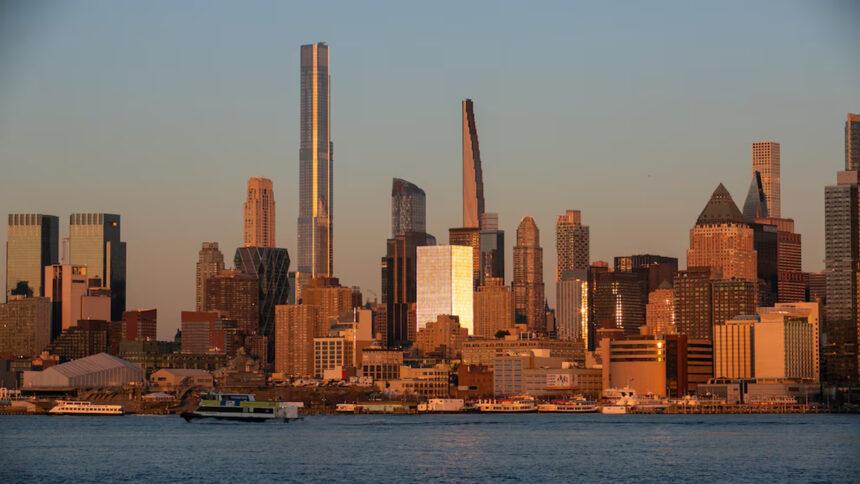
Major cities and federal, state, and local authorities in New York, Washington, and Los Angeles strengthened security measures this weekend following recent U.S. airstrikes against three nuclear sites in Iran on Saturday night, according to statements on social media. The increased surveillance in public spaces and religious centers comes amid concerns over possible repercussions in the U.S. after what marks the first direct U.S. military action against Iranian nuclear facilities within the Israel–Iran conflict.
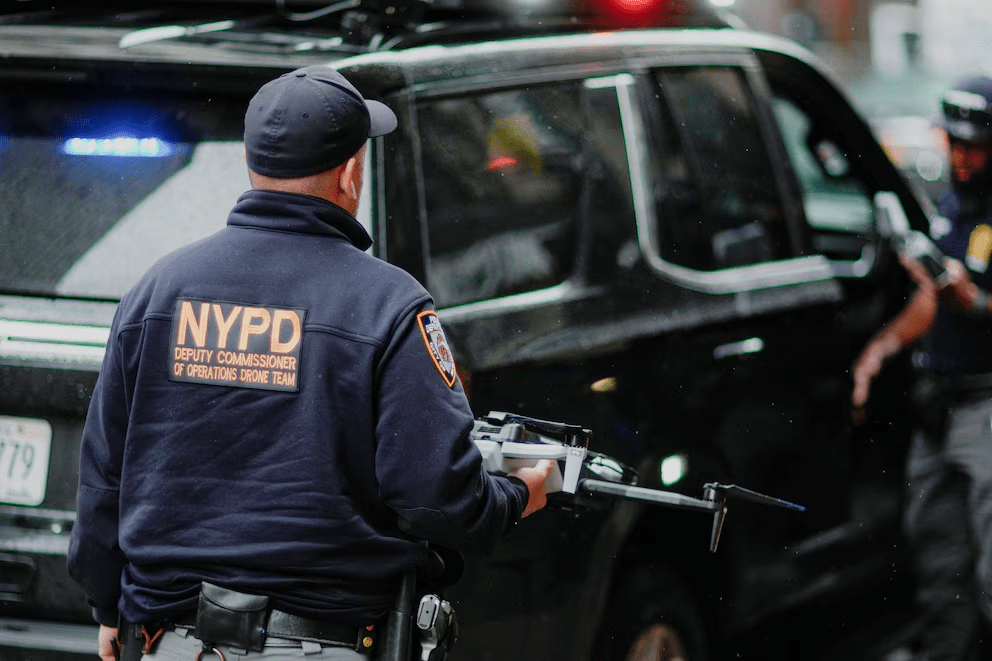
The New York Police Department (NYPD) announced on X that it is “monitoring the developing situation in Iran” and, as a preventive measure, has deployed additional resources to religious, cultural, and diplomatic sites in the city, coordinating efforts with federal agencies.

Similar monitoring and interagency cooperation efforts were announced by the Metropolitan Police Department of Washington, D.C. (MPD), which highlighted an increased police presence at religious institutions despite no known specific threats. In Los Angeles, Mayor Karen Bass also reported enhanced patrols at places of worship, community spaces, and other sensitive locations. In all cases, officials emphasized that while no credible threats currently exist, they will remain on alert to respond to any eventuality.
The heightened vigilance in major U.S. cities followed airstrikes ordered from the White House Situation Room by President Donald Trump on June 21, 2025. Trump, accompanied by Vice President JD Vance, Secretary of State Marco Rubio, and Defense Secretary Pete Hegseth, confirmed the operation during a national address, detailing that U.S. forces struck three sites in Iran, marking the first direct U.S. intervention against Iranian nuclear infrastructure.
What measures have U.S. authorities taken?
The NYPD increased patrols in areas linked to Jewish communities and Islamic institutions in the city, as well as at diplomatic missions and cultural centers. Former NYPD Inspector Paul Mauro noted that these special patrols include the deployment of official vehicles outside temples, synagogues, and Shiite mosques, pointing out that the Iranian community is predominantly Shiite. Mauro explained that authorities maintain constant contact with representatives of these communities to provide information and direct support, stating that the “NYPD will place special attention patrols at locations associated with the conflict.”
Additionally, the NYPD and other agencies emphasized close monitoring of digital activity, highlighting a robust cybersecurity and counterterrorism program.

“Online details will be reviewed very closely; the NYPD has a very robust anti-cyberterrorism program.” The digital monitoring efforts aim to identify potential threats or messages from extremist actors, both domestic and foreign, that could signal retaliation or violence.
The Metropolitan Police Department of Washington, D.C. reported on X that it maintains ongoing contact and coordination with state, federal, and local counterparts “to share information and intelligence to protect residents, businesses, and visitors.” The MPD increased its presence in areas with religious institutions, particularly after a rise in hate crimes reported in previous months.
Official reactions from authorities
A police presence was visible Sunday outside the Consulate of Israel in New York, Trump Tower, and the Temple Emanu-El synagogue. New York Governor Kathy Hochul assured that the State Police are working to protect vulnerable sites and prevent cyberattacks that could result from the escalation in the Middle East. Hochul noted that coordination exists between federal and state agencies to anticipate any type of physical or cyberattack.

Los Angeles Mayor Karen Bass stated on X that the city is “closely monitoring any threats to public safety.” Bass reported that no credible threats related to the attacks have been detected but that the LAPD will intensify patrols at temples, gathering places, and other key locations.
The New York Police Department also highlighted cooperation with Customs and Border Protection (CBP), which maintains thorough surveillance at airports and border crossings to detect potential entries of suspicious individuals. Mauro added that CBP “will be on alert regarding individuals arriving in the country, both at the border and at airports.”
Image: Infobae





