

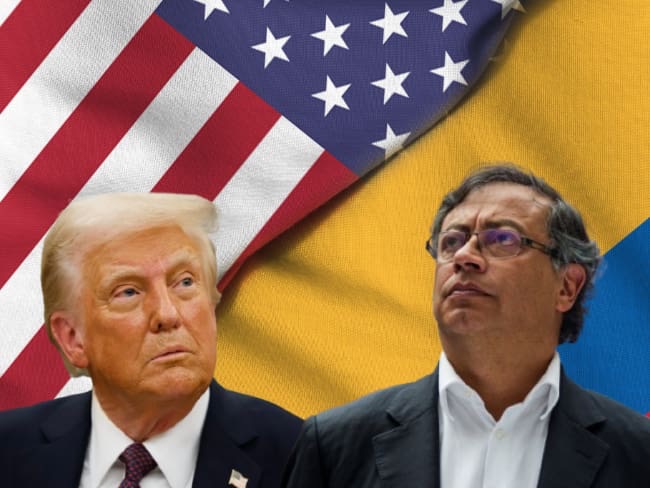
US Includes Colombia and Afghanistan on List of Countries That Have ‘Demonstrably Failed’ in Anti-Drug Fight
The certification is an annual assessment that Washington has conducted since 1986 on the anti-drug efforts of about twenty producer and distributor countries. In Colombia’s case, it represents around $380 million in annual aid.
In nearly 30 years, this is the first time Colombia has been included on this list of countries that do not cooperate in the fight against drugs, marking a harsh blow to the country and reflecting the tense relationship between the United States and leftist President Gustavo Petro.

Colombia was decertified once before in 1996, when Ernesto Samper was president and faced a scandal over alleged campaign financing by the Cali Cartel.
This decision, outlined in an official memorandum from the U.S. administration sent to Congress, increases pressure on both governments and redefines Washington’s foreign policy priorities in the global fight against drug trafficking.
According to the document released by the White House, the determination is based on U.S. legislation that requires the president to annually identify countries considered major drug transit routes or large producers and to evaluate their governments’ performance in control and cooperation efforts.
The official text emphasizes that both Afghanistan and Colombia, along with other countries like Venezuela, Bolivia, and Myanmar, have been flagged for “having demonstrably failed” to meet their international commitments over the past twelve months.

This decision could undermine cooperation for Colombia’s public security forces to combat cartels like the Gulf Clan and guerrilla groups involved in trafficking, such as the ELN and dissident factions of the FARC that broke away from the 2016 peace agreement.





