Feline Gastroenteritis: Is your cat suffering from chronic diarrhea, vomiting, or lethargy? Discover the real causes behind feline gastrointestinal problems and learn how to act quickly.
- The Silent Villains: What’s Destroying Your Cat’s Stomach?
- 1. The Internal Enemy: Hairballs (Trichobezoars)
- 2. Toxic Plants in Our Garden
- 3. Parasites, Bacteria, and Spoiled Food
- 4. Inflammatory Bowel Disease (IBD)
- Warning Signs: When to Stop Googling and Rush to the Vet
- My Cat Is Already Sick: Immediate Action Plan
- Fortified Prevention: How to Keep Your Feline from Getting Sick
- The Recovery Diet: Nutrition to Heal
You know the scenario. It’s 3 a.m., the house is completely silent, and suddenly, from the foot of the bed or the hallway, you hear your cat retching. Your stomach drops. You jump up, turn on the light, and there it is: the vomit.

For those of us who see our pets not as mere animals but as true family members (four-legged children who depend on us 100%), seeing them sick is a terrifying experience. Cats are absolute masters at hiding pain. When they finally show symptoms that something is wrong with their stomachs, the situation is usually more advanced than we think.
Gastrointestinal diseases in cats are disorders that affect the stomach and intestines, disrupting digestion and nutrient absorption. Immediate symptoms of feline gastroenteritis include persistent vomiting, diarrhea, sudden loss of appetite, lethargy, and weight loss. If your cat vomits more than twice in 24 hours or has bloody stools, don’t wait: it’s a veterinary emergency.
But why does this happen? Did they eat something bad? Is it stress? Let’s get to the point. Here, we break down everything others don’t tell you about the fragile feline stomach—and, most importantly, how to protect that little furry dictator who rules your home.
The Silent Villains: What’s Destroying Your Cat’s Stomach?
It’s no secret that cats have extremely sensitive stomachs. However, we tend to normalize things that aren’t normal. “Oh, it’s just a hairball,” we often say. (Vomiting hairballs every week is not normal.)

1. The Internal Enemy: Hairballs (Trichobezoars)
Cats spend up to half of their waking hours grooming. That rough tongue traps loose fur and swallows it. Normally, this passes through the digestive tract and ends up in the litter box. But when there’s excess fur (or poor intestinal motility), blockages form that irritate the gastric lining, causing chronic inflammation and vomiting.
2. Toxic Plants in Our Garden
Here’s the interesting part. Sometimes, we introduce the danger ourselves. Cats love to nibble on plants. If you enjoy gardening or having a pristine landscape, you should know that Lilies (any variety), Aloe Vera, Pothos (Photos), and Monstera (Swiss Cheese Plant) are highly toxic to them. A single bite of a Lily leaf can cause kidney failure and acute gastrointestinal bleeding.
3. Parasites, Bacteria, and Spoiled Food
If you live in areas where warm weather and humidity are the norm for much of the year, leaving wet food in the bowl for more than 30 minutes is an invitation for bacterial growth. Additionally, parasites like Giardia or nematodes are classic causes of explosive diarrhea.

4. Inflammatory Bowel Disease (IBD)
IBD is one of the most common and frustrating conditions. It’s an exaggerated reaction of the cat’s immune system to its own food or gut flora. The intestinal walls thicken, losing the ability to absorb nutrients. The cat eats and eats but continues to lose weight and vomit.
Warning Signs: When to Stop Googling and Rush to the Vet
The line between “ate something that didn’t agree with them” and “needs urgent IV fluids” is very thin.
Golden rule: If your cat stops drinking water or hides in dark places (under the bed or in the back of the closet), they’re telling you they feel their life is in danger. Cats isolate themselves when they feel vulnerable.
Here’s a comparison table so you know how to react:
| Symptom | Possible Mild Cause | Emergency Medical Indicator (Run!) |
| Vomiting | Expelled an isolated hairball or ate too fast. | Vomiting blood (coffee-ground appearance), repeated vomiting in less than 2 hours. |
| Diarrhea | Sudden change in food brand. | Black/tarry stools, diarrhea with fresh blood, or lasting more than 24 hours. |
| Appetite | Doesn’t like the new food texture. | Hasn’t eaten for more than 24 hours (risk of hepatic lipidosis). |
| Behavior | Lethargic due to heat. | Hard, painful abdomen to the touch, extreme lethargy, pale or yellow gums. |
My Cat Is Already Sick: Immediate Action Plan
If your feline is already showing gastrointestinal problems, how you react in the first few hours can make the difference between a scare and costly surgery.
- Step 1: Tactical Fasting (Under strict supervision): If there’s vomiting, the stomach needs rest. Remove food (but NEVER water) for 12 to 24 hours. Note: This does NOT apply to kittens under 6 months or diabetic cats.
- Step 2: Rescue Hydration: Dehydration kills faster than infection. Make sure they have fresh water. If they refuse to drink, try offering homemade chicken broth (no salt, no onion, no garlic—never use store-bought bouillon cubes!).
- Step 3: Absolute ban on self-medication: No Pepto-Bismol, Tylenol, or Ibuprofen. A cat’s metabolism lacks certain liver enzymes. Giving them human stomach medicine can cause lethal toxicity in less than 48 hours.
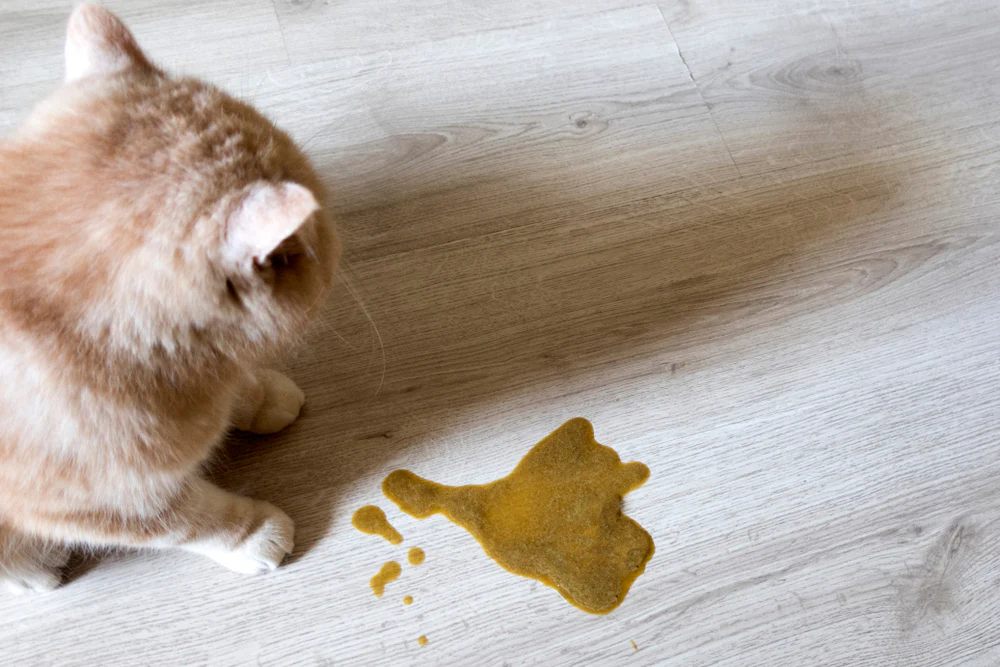
- Step 4: Evidence collection: It sounds gross, but your vet will thank you. Take a photo of the vomit or bring a stool sample. Color and texture tell half the medical story.
Fortified Prevention: How to Keep Your Feline from Getting Sick
Preventive medicine is the best emotional and financial investment you can make. Don’t wait for the problem to appear.
Hydration Is Non-Negotiable
Cats evolved from desert ancestors and don’t have a strong instinct to drink still water. Their kidneys and digestive tract suffer if they only eat dry kibble.
- Solution: Incorporate wet food daily and buy a water fountain. Running water stimulates their hunter instinct and encourages them to drink more.
Strategic Food Transitions
The feline gut hates surprises. If you’re changing food brands or flavors, do it over 7 to 10 days. Mix 10% of the new food with 90% of the old on the first day, and gradually adjust the ratio.
Stress Control at Home
Stress is the least suspected gastrointestinal enemy. Cats are creatures of strict routines. A move, the arrival of a new baby, construction noises, or even stray cats lurking outside the window can trigger stress-induced intestinal inflammation (Colitis). Maintain daily play routines and ensure they have high-up hiding spots.
The Recovery Diet: Nutrition to Heal
When your vet gives the green light to resume feeding, don’t serve their regular food right away. The gut needs a “bland diet.”
This generally involves boiled chicken breast (skinless and boneless) shredded and mixed with a little well-cooked white rice (almost a purée). Or, more practically, veterinary prescription cans like “i/d” (Digestive Care) formulas. Additionally, using feline-specific probiotics will help restore the gut flora destroyed by diarrhea or antibiotics.
Our cats trust us blindly. They can’t tell us in words that their stomach hurts, but they communicate it through their gaze, silence, and broken routines. Learning to read these signs not only saves us money on late treatments but ensures our four-legged family lives long, happy, and pain-free.